

What Is the Wrindu Oil Surface Tension Testing Equipment?
Wrindu Surface Tension Testing Equipment uses the platinum ring method to measure surface and interfacial tensions of liquids, ensuring accurate results for various industries.
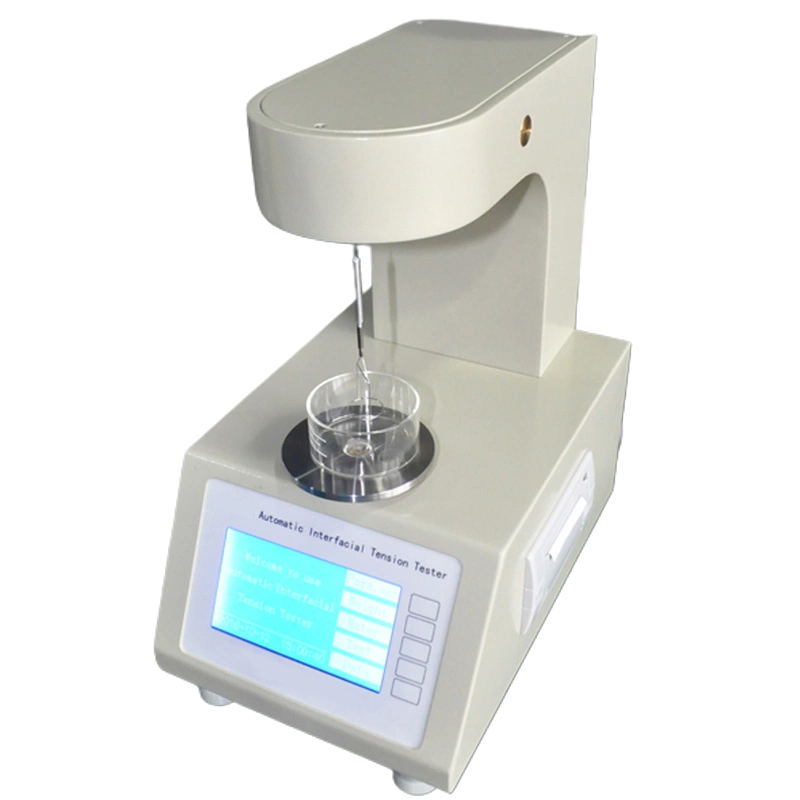
The Wrindu Surface Tension Testing Equipment is an advanced tool designed to measure the surface and interfacial tensions of various liquids using the platinum ring method. This method is known for its simplicity and high accuracy. The tester is perfect for industries like power, petroleum, chemicals, pharmaceuticals, food, and even educational purposes, helping evaluate product quality by analyzing the physical and chemical properties of liquids.
How Does the Wrindu Surface Tension Tester Work?
The tester operates by measuring the surface tension (liquid-gas interface) and interfacial tension (liquid-liquid interface) of liquids. The platinum ring method is used, where a platinum ring is immersed in the liquid. As the ring is slowly pulled up, the force required to detach the liquid from the ring is measured, providing accurate data on the tension. This method is widely recognized for its simplicity, accuracy, and reliability in liquid analysis.
What Are the Key Features of the Wrindu Surface Tension Tester?
| Feature | Description |
|---|---|
| Fast Response Electromagnetic Sensor | Improves measurement accuracy and linearity for precise results. |
| Single Calibration Point | Only one calibration point needed, eliminating multi-point calibration. |
| Real-Time Display | Displays the equivalent tension value and current weight for instant results. |
| Automatic Temperature Compensation | Integrated circuit ensures accurate results by compensating for temperature changes. |
| Dot Matrix LCD | 240 × 128 display with screen protection for clear, easy-to-read data. |
| Historical Data Storage | Stores up to 255 records with time marks for easy tracking and reference. |
| RS232 Interface | Allows easy data transfer to a computer for further processing and analysis. |
Why Is Surface Tension Important?
Surface tension is a critical property that reflects the physical and chemical makeup of a liquid. It is an important indicator for industries involved in product quality control, such as in the petroleum, pharmaceutical, food, and chemical industries. By accurately measuring surface tension, businesses can ensure that their products meet the required standards for performance and quality.
What Are the Technical Specifications of the Wrindu Surface Tension Tester?
| Specification | Details |
|---|---|
| Measurement Range | 0-200 mN/m |
| Accuracy | 0.1% reading ± 0.1 mN/m |
| Resolution | 0.1 mN/m |
| Sensitivity | 0.1 mN/m |
| Power Supply Voltage | AC 220V ± 20%, 50 Hz ± 10% |
| Power Consumption | Max 20W |
| Applicable Ambient Temperature | 10-30°C (typical value: 25°C) |
| Applicable Humidity | ≤ 85% RH |
Why Should You Choose the Wrindu Surface Tension Testing Equipment?
The Wrindu Surface Tension Testing Equipment is the perfect choice for anyone in need of precise and reliable surface tension measurements. Whether you’re working in pharmaceuticals, food, petroleum, or chemical industries, or conducting educational experiments, this tester offers high accuracy, easy operation, and excellent value for money.
With its user-friendly design, integrated temperature compensation, and ability to store data for future reference, the Wrindu tester ensures reliable results and helps maintain the high standards required in quality control processes.
FAQs
What is the primary use of a tensiometer in oil analysis?
It detects polar contaminants and sludge precursors before they become visible. In transformers, a drop in Interfacial Tension (IFT) indicates acids and oxidation by-products that harm insulation.
How is the test physically performed?
The test uses the Du Noüy Ring or Wilhelmy Plate method. A platinum ring or plate is pulled through the oil-water interface, and the force needed to break the surface tension is measured.
What is a “good” reading for new transformer oil?
New mineral insulating oil should have an IFT of 40–50 mN/m. ASTM D3487 requires a minimum of 40 mN/m to ensure the oil is free from undesirable compounds.
At what point is the oil considered “failed” or aged?
Oil is considered aged when IFT drops below 20–25 mN/m. At 15–20 mN/m, sludge formation is likely, and it’s time for an oil change or reclamation.
Which industry standards govern these testers?
The core standards are ASTM D971 and IEC 62961. These ensure consistent, repeatable measurements and adherence to the “Ring Method” protocols.
Why is IFT preferred over Acid Number tests?
IFT is a more sensitive indicator of early oil degradation. Oxidation causes a drop in surface tension before acidity or viscosity changes can be measured.
Can temperature affect the test results?
Yes, IFT decreases as temperature rises. Standard tests are performed at room temperature (25°C) for consistent, comparable results over time.
What is the “pendant drop” method?
It is an optical method used for small or valuable samples. A camera analyzes a hanging oil drop’s shape to calculate tension, often used in R&D or when only a small sample is available.
What are the main benefits of regular IFT testing?
Regular IFT testing helps prevent equipment failure and extends asset life. It allows for oil reclamation instead of costly oil replacements by catching early signs of oil decay.
You might be interested in
