

What Are the Common Mistakes in Field Tan Delta Testing?
Learn the common mistakes in field Tan Delta testing, such as poor cable prep, improper grounding, ignoring temperature compensation, and misreading results.
Tan Delta testing is essential for evaluating the condition of insulation in electrical equipment, particularly transformers. However, many professionals make mistakes during this process that can compromise test accuracy. In this article, we will explore some of the most common errors and how to avoid them when using instruments like the Wrindu Tan Delta Tester.
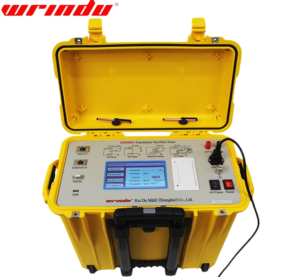
Click the iamge to know more about Wrindu Tan Delta Tester.
Is Poor Cable Preparation a Common Issue?
Poor cable preparation is one of the leading causes of incorrect readings during the Tan Delta Test of Transformers. If the cables are not cleaned and prepared properly, surface contamination can lead to leakage currents that skew test results. Always ensure the cables are free from dirt, moisture, or any other foreign materials that can affect the test.
To avoid this, take the time to clean and inspect the cables before performing the test. Use a guard wire to bypass surface leakage for more accurate results. It may seem like a small detail, but proper cable prep makes a big difference in the reliability of your Tan Delta measurements.
Why Is Improper Grounding a Risk?
Improper grounding is another significant issue that affects the accuracy of Tan Delta testing. When the testing equipment is not properly grounded, it can lead to interference, noise, or even false readings. This is especially true when testing large transformers or high-voltage equipment.
To mitigate this, ensure that both the Wrindu Tan Delta Tester and the test object are properly grounded. Follow manufacturer guidelines for grounding to avoid any issues that could compromise your testing results. Proper grounding not only protects the test equipment but also ensures that your readings are correct and reliable.
Should Temperature Compensation Be Ignored?
Ignoring temperature compensation is another mistake that can lead to inaccurate Tan Delta test results. The dielectric properties of insulation materials change with temperature, so failing to account for these variations can cause discrepancies in the test data.
Most modern testers, like the Wrindu Tan Delta Tester, include automatic temperature compensation features, but it is still essential to monitor ambient conditions. If your tester doesn’t have built-in temperature compensation, make sure to manually adjust your readings based on the temperature at the time of testing. Failing to do so could lead to misleading results, especially in environments with fluctuating temperatures.
How to Avoid Misreading Results?
Misreading Tan Delta results is surprisingly common. The readings on the tester’s display can be hard to interpret without a thorough understanding of the equipment’s limitations. It’s crucial to know what a normal Tan Delta value is for the type of transformer or equipment you’re testing. Misinterpreting high Tan Delta readings can lead to unnecessary maintenance or missed signs of deterioration.
For example, when using the Wrindu Tan Delta Tester, ensure that you’re familiar with the device’s display and data interpretation guidelines. Take the time to double-check all readings, especially when testing multiple transformers or complex systems. Sometimes, a small discrepancy in reading can lead to misdiagnosis, which may affect the decision-making process for repairs or replacements.
How to Ensure Accurate and Reliable Tan Delta Testing?
To sum up, Tan Delta Testing is a critical tool for assessing the health of electrical equipment like transformers. By avoiding common mistakes such as poor cable preparation, improper grounding, neglecting temperature compensation, and misreading results, you can ensure that your tests yield accurate and reliable data.
Whether you’re using the Wrindu Tan Delta Tester or any other instrument, understanding these key factors will help you achieve optimal performance and extend the life of your electrical assets.
