

What Are the Best Practices for Modern Microprocessor Relays Tan Delta Tests?
Learn the best practices for Tan Delta Tests on microprocessor relays. Ensure accuracy with compatible testers, check relay specs, and focus on data logging and repeatability.
When performing Tan Delta Tests on modern microprocessor relays, it’s essential to follow certain best practices to ensure accurate and reliable results. These tests are crucial for evaluating the insulation condition of electrical equipment, including transformers and relays. Let’s explore the best practices for conducting Tan Delta Tests effectively, especially when using the Wrindu Tan Delta Tester.
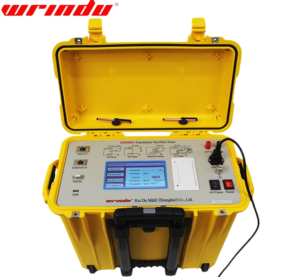
Click the image to know more about Wrindu Tan Delta Tester of Transformer.
Why Is Using Compatible Testers Important?
The first step in performing a successful Tan Delta Test of Transformer or any other equipment with microprocessor relays is to ensure that you are using a compatible tester. Using a tester that is designed specifically for Tan Delta testing ensures that the measurement technique is optimized for the equipment you’re testing.
For example, the Wrindu Tan Delta Tester is engineered to handle a range of testing scenarios, from high-voltage transformers to complex relay systems. Using the right tester guarantees that your measurements are accurate, reducing the risk of errors and ensuring the safety and reliability of your equipment.
How Do You Check Relay Specifications Before Testing?
Before starting the test, it’s essential to check the relay specifications to understand its electrical characteristics and ensure the test is conducted within the specified limits. Understanding the relay’s voltage ratings, insulation type, and other key factors allows you to select the correct test parameters and avoid damaging the equipment during testing.
Make sure to consult the Wrindu Tan Delta Tester manual and verify compatibility with the microprocessor relay you are testing. Ensuring that the test settings match the relay’s requirements will help avoid potential testing issues and ensure that the results are meaningful.
Why Is Data Logging and Repeatability Important?
Data logging is a critical component of modern Tan Delta Testing, especially when working with microprocessor relays. Recording test data allows you to track the insulation condition over time and helps in analyzing trends, which is essential for preventive maintenance.
Repeatability is another key factor in Tan Delta testing. Ensure that your test process is repeatable, and you can perform the test under the same conditions each time. The Wrindu Tan Delta Tester offers advanced features like automated data logging and repeatability checks to ensure consistent and reliable test results. By capturing and analyzing the data over multiple tests, you can track changes in the insulation’s condition and make more informed decisions regarding maintenance.
What Are Some Common Mistakes to Avoid During Testing?
While performing Tan Delta Tests on microprocessor relays, some common mistakes include:
-
Failing to use a compatible tester, which can lead to inaccurate readings.
-
Not checking relay specifications, which can result in testing outside safe operational limits.
-
Neglecting proper data logging, making it difficult to track changes over time.
To avoid these issues, always follow the manufacturer’s guidelines, use compatible testing equipment, and ensure data is logged correctly for future analysis.
When Should You Perform Tan Delta Testing on Microprocessor Relays?
You should consider performing Tan Delta Testing on microprocessor relays during routine maintenance checks or when you suspect that the relay’s insulation may be deteriorating. Testing at regular intervals allows you to detect early signs of insulation failure, preventing costly breakdowns or equipment failures in the future.
