

What Is the Role of Calibration in Tan Delta Testing?
Discover the importance of calibration in Tan Delta testing. Learn how accurate frequency, voltage calibration, and regular maintenance ensure reliable results with Wrindu testers.
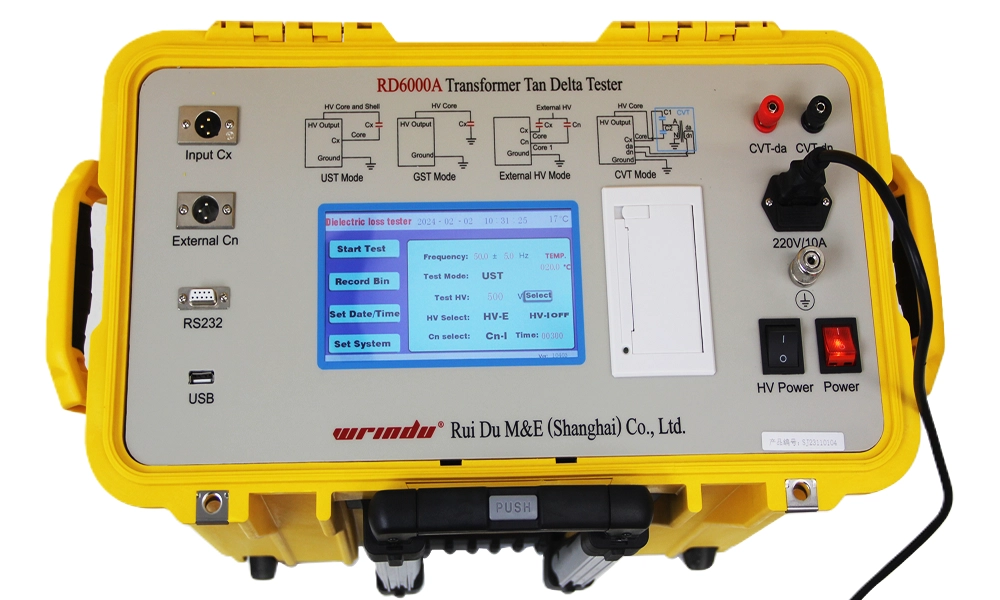
Calibration plays a vital role in ensuring the accuracy and reliability of Tan Delta testing, especially when assessing the health of transformer and power cable insulation. Regular calibration is necessary to maintain measurement precision and prevent errors caused by equipment drift. Here’s a breakdown of why calibration is essential for effective Tan Delta testing.
Why Is Calibration Important for Tester Accuracy?
For Tan Delta testing to provide accurate results, the testing equipment must be properly calibrated. Over time, electronic components can drift, affecting the accuracy of measurements. Regular calibration of your Wrindu Tan Delta Tester ensures that the device is reading correctly and that the results are reliable. This accuracy is crucial for assessing insulation health and detecting early signs of degradation in transformers and cables.
How Does Frequency and Voltage Calibration Affect Results?
Tan Delta testing involves applying a voltage to the insulation and measuring its dielectric loss. The frequency and voltage applied during the test are critical to the accuracy of the readings. Inaccurate frequency or voltage levels can lead to misleading results. Therefore, calibration should ensure that both these parameters are within the correct specifications for the specific test environment. Wrindu Tan Delta Testers are designed for precise frequency and voltage calibration, allowing for consistent and trustworthy measurements.
What Are Some Regular Maintenance Tips for Tan Delta Testers?
To keep your Wrindu Tan Delta Tester in top working condition, regular maintenance and calibration are necessary. Here are some tips to maintain your testing equipment:
-
Schedule regular calibration checks: Make calibration a part of your routine maintenance. This ensures that any drift in measurement accuracy is detected early.
-
Inspect cables and connectors: Ensure that cables and connectors are in good condition and properly connected. Faulty cables can lead to inaccurate test results.
-
Clean the tester: Regularly clean the tester to prevent dust and debris from interfering with the measurement process.
-
Check battery levels: A low battery can affect the performance of your testing equipment. Keep the battery charged to ensure consistent testing.
Common Questions from Wrindu Technicians
Q: How often should I calibrate my Wrindu Tan Delta Tester?
It’s recommended to calibrate your tester at least once a year, or more frequently if the equipment is used in demanding conditions. Always follow the manufacturer’s guidelines for calibration intervals.
Q: Can I perform calibration myself?
While some basic calibration can be done by users, it’s best to have a professional calibration service to ensure the highest level of accuracy and compliance with industry standards.
Calibration is a fundamental part of ensuring the accuracy and reliability of Tan Delta testing. By regularly calibrating your Wrindu Tan Delta Tester and following proper maintenance practices, you can trust that your test results are valid and dependable, leading to better decisions for transformer and cable health.
