

What is the Factory Acceptance Test (FAT) for Transformers?
Ensure transformer efficiency with No Load Loss testing during Factory Acceptance Testing (FAT). Learn about the process, requirements, and Wrindu’s precise testing solutions.
Factory Acceptance Testing (FAT) is a critical step in transformer manufacturing, ensuring that transformers meet all the technical requirements before being delivered to the customer. It helps verify that the transformer operates correctly and efficiently, with the No Load Loss test being one of the most essential measurements conducted during FAT.
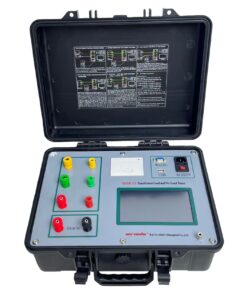
Clcik the image to know more about Wrindu Transformer No-load and Load Loss Tester.
Why is No Load Loss Testing Important During FAT?
No Load Loss refers to the energy that a transformer consumes when it is energized but not supplying any load. This loss typically results from the core’s magnetizing current and is a key indicator of transformer efficiency. Testing No Load Loss during FAT allows manufacturers to ensure that the transformer will operate efficiently in the field, leading to lower operational costs and increased reliability.
Key Steps in No Load Loss Testing During FAT
The No Load Loss test is generally conducted after the transformer has been assembled and wired. The procedure typically includes the following steps:
-
Preparation: Ensure that all safety protocols are in place. Inspect the transformer to confirm it is correctly assembled and that all equipment is functioning properly.
-
Testing Procedure:
-
The transformer is energized at its rated voltage while the secondary side is open (not supplying load).
-
A precision power analyzer or loss measurement device is used to measure the losses.
-
The No Load Loss value is calculated by monitoring the energy consumed at no load.
-
-
Recording Results: Accurate documentation of the results is required to demonstrate compliance with standards and to support future maintenance. Wrindu power analyzers are perfect for these tasks, offering high precision and repeatable measurements.
What Are the Record Keeping Requirements for No Load Loss Testing?
For FAT, it’s essential to maintain thorough and accurate records of the test results. These records should include:
-
The transformer’s specifications (voltage, power rating, etc.).
-
The exact No Load Loss measurement and corresponding test conditions.
-
The calibration and accuracy of testing instruments, such as the Wrindu Power Analyzer.
-
A comparison of the measured No Load Loss with the transformer’s design specifications to ensure it meets the required performance standards.
These records are essential for verification purposes and to ensure the transformer meets regulatory standards.
Common Questions from Wrindu Expert Reviews
How accurate is the Wrindu Power Analyzer for No Load Loss testing?
Wrindu power analyzers provide high precision, with an accuracy that ensures reliable results even for small losses. This accuracy is crucial during FAT to ensure compliance with industry standards.
What if the No Load Loss value exceeds the specified limit?
If the No Load Loss exceeds the expected limit, it could indicate inefficiencies in the transformer’s core or winding design. The factory team may need to investigate and make design adjustments before proceeding with delivery.
How often should the No Load Loss test be repeated after FAT?
Routine testing is recommended during the transformer’s operational life, especially during maintenance checks. However, it is typically not repeated unless there is a concern or a fault in the transformer’s performance.
Wrindu’s Role in Transformer Testing
Wrindu offers a comprehensive range of testing equipment, including precision power analyzers, designed to perform No Load Loss tests and other critical measurements during FAT. Our instruments are engineered to provide accurate, repeatable, and easy-to-interpret results, ensuring transformer quality and efficiency.
