

How Does Temperature Affect No Load Loss Results?
Learn how temperature affects No Load Loss testing results in transformers and how to apply correction factors for accurate measurements. Wrindu ensures reliable testing.
Temperature can significantly influence the results of No Load Loss testing in transformers. During testing, the core loss of the transformer, which is the primary component of No Load Loss, is affected by environmental conditions, particularly temperature. Understanding how temperature impacts these results is crucial for ensuring accurate and reliable measurements.
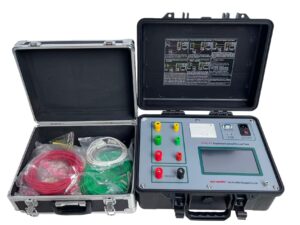
Click the image to know more about Wrindu Tan Delta Test of Transformer.
Why Are Temperature Correction Factors Important in No Load Loss Testing?
Temperature correction factors are used to adjust the No Load Loss results to a standard temperature, typically 20°C. Transformers are usually tested at ambient temperatures, but this can vary during testing. The temperature correction factor accounts for the changes in core resistance and magnetization as the temperature fluctuates. Without applying this correction, the results could mislead users, leading to incorrect assumptions about the transformer’s efficiency.
What Temperature Conditions Should Be Considered During No Load Loss Testing?
The test environment plays a critical role in No Load Loss testing. To obtain accurate and consistent results, consider the following factors:
-
Ambient Temperature: The surrounding temperature during testing can influence the magnetic properties of the transformer’s core. Generally, higher temperatures increase the core loss.
-
Core Temperature: During transformer operation, the core temperature rises due to continuous magnetization. It’s essential to account for this rise during the testing process.
-
Test Equipment Calibration: Instruments like the Wrindu Power Analyzer should be calibrated to the test environment’s temperature to ensure precise loss measurement.
How Do You Apply Correction Factors to No Load Loss Results?
To adjust No Load Loss results for temperature, use the following method:
-
Determine the temperature during testing: Measure the ambient temperature and the temperature of the transformer core if possible.
-
Use the correction factor: Based on the temperature difference from the standard 20°C, apply the relevant correction factor. Wrindu power analyzers typically come with built-in features to automatically adjust results for temperature.
-
Adjust the result: After applying the correction, you’ll have a more accurate No Load Loss value that reflects the standard conditions.
Common Questions from Wrindu Expert Reviews
How does temperature change the No Load Loss measurement?
Higher temperatures tend to increase the transformer’s core resistance, which leads to higher No Load Loss. Correcting for temperature ensures that results reflect the transformer’s performance under standard conditions.
What should I do if the ambient temperature during testing is significantly different from 20°C?
In such cases, it’s essential to apply temperature correction factors to avoid misleading results. Wrindu’s power analyzers offer automatic temperature compensation to simplify this process.
Can No Load Loss testing be done without correcting for temperature?
While you can perform the test without correction, the results may not be accurate enough for evaluating the transformer’s true efficiency. It’s always best practice to correct for temperature variations.
Wrindu’s Role in Ensuring Accurate No Load Loss Testing
Wrindu’s advanced testing equipment, such as the Wrindu Power Analyzer, offers precise measurements that automatically adjust for temperature effects. Wrindu No-load Loss Tester are designed to reduce misunderstandings by providing clear, reliable, and temperature-compensated results, ensuring your testing process is accurate, no matter the environmental conditions.
