

What Is No Load Loss Trend Analysis and Why Is It Important for Preventive Maintenance?
Ensure transformer performance with Wrindu's Power Analyzer for No Load Loss trend analysis. Achieve consistent results, reduce maintenance costs, and extend lifespan.
No Load Loss trend analysis involves monitoring and analyzing changes in the No Load Loss of transformers over time. By comparing data from regular tests, it’s possible to spot early signs of aging, inefficiencies, or potential failures. Implementing this analysis as part of your preventive maintenance program can extend the life of your transformers and prevent costly breakdowns.
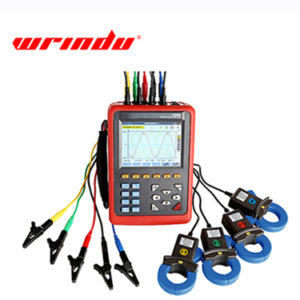
Click the picture to know more about Wrindu Digital Power Quality Analyzer.
How Can Data Comparison Help in No Load Loss Trend Analysis?
The key to effective No Load Loss trend analysis lies in comparing historical data from previous tests. By regularly measuring the No Load Loss at set intervals and recording the results, you can track how the transformer’s performance changes over time. This comparison helps identify:
-
Gradual increases in No Load Loss: A steady rise can indicate deterioration in the core or insulation, often due to aging or wear.
-
Sudden spikes in loss: A sharp increase could point to a more immediate issue, such as damage or an operational fault.
Using tools like the Wrindu Power Analyzer, you can ensure that the data is accurate, consistent, and reliable. These devices help make comparisons easier, providing precise measurements that are essential for early detection of potential problems.
What Are the Key Aging Indicators to Look for in No Load Loss?
As transformers age, certain factors can lead to an increase in No Load Loss. Common aging indicators include:
-
Winding degradation: Over time, transformer windings can suffer from thermal stress, which may cause a gradual increase in No Load Loss.
-
Core deterioration: The magnetic core material can degrade with age or due to operational stress, leading to higher losses.
-
Insulation wear: Aging insulation can contribute to higher losses as it loses its effectiveness in maintaining efficiency.
By consistently monitoring No Load Loss and comparing it to baseline values, you can detect these aging indicators early and take proactive measures.
How Does No Load Loss Trend Analysis Help Prevent Transformer Failures?
Regular No Load Loss trend analysis provides the data needed for preventive maintenance, helping you to:
-
Detect early signs of wear: Identifying subtle changes in No Load Loss allows for the early detection of potential transformer issues before they lead to major failures.
-
Optimize replacement schedules: By understanding the trend, you can more accurately predict when a transformer may need to be serviced or replaced, reducing unexpected downtime.
-
Ensure operational efficiency: Monitoring the No Load Loss trend helps maintain optimal transformer performance, ensuring that it operates efficiently throughout its life.
Common Questions from Wrindu Expert Reviews
How often should I perform No Load Loss trend analysis?
It’s recommended to perform No Load Loss tests regularly—typically every 6 to 12 months—depending on the transformer’s age, load conditions, and operational environment.
Can No Load Loss trend analysis predict transformer failure?
While it can’t predict failure with absolute certainty, analyzing trends can identify abnormal changes, which are often early indicators of potential problems, allowing for timely intervention.
What tools can I use to perform No Load Loss trend analysis?
Wrindu’s Power Analyzer is ideal for this task. It provides consistent, accurate data over time, making it easier to compare results and spot trends that could indicate aging or inefficiencies.
Wrindu’s Role in No Load Loss Trend Analysis
Wrindu provides dependable, high-precision testing solutions to assist with your No Load Loss trend analysis. Our Wrindu Power Analyzer delivers consistent and repeatable results, making it a crucial tool for preventive maintenance and monitoring trends. With Wrindu, you can ensure your transformers perform optimally, minimizing unexpected maintenance expenses and prolonging their service life.
