

What Are the Challenges of On-Site Testing for No Load Loss in Substation Transformers?
Learn about No Load Loss in substation transformers, the testing challenges, and how Wrindu’s No Load Loss Tester helps engineers optimize performance and reduce energy costs.
Substation transformers are critical components in the power distribution network, and ensuring their efficiency is key to maintaining the reliability of the entire system. No Load Loss, the energy consumed by a transformer when it is energized but not supplying power, plays an important role in understanding the operational efficiency of these transformers. However, performing accurate No Load Loss tests in substations can present various challenges.
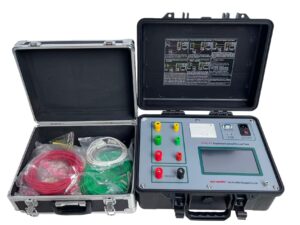
Click the image to know more about Wrindu Transformer No-load Loss Tester.
Why Is On-Site Testing of No Load Loss Important for Substation Transformers?
Testing No Load Loss in substation transformers is essential for several reasons:
-
Efficiency Assessment: No Load Loss indicates how much energy a transformer uses when it’s operating without a load. Monitoring this loss ensures that transformers are operating as efficiently as possible.
-
Cost Control: Reducing No Load Loss helps in cutting down energy costs over time. For substation engineers, this is a critical factor, especially when managing multiple transformers within the network.
-
Proactive Maintenance: Monitoring No Load Loss regularly can provide early signs of transformer deterioration, helping engineers take preventive action before issues lead to significant failures.
What Are the On-Site Testing Challenges for Substation Transformers?
While testing No Load Loss is vital, it is not without its difficulties, especially on-site. Some of the most common challenges include:
1. Limited Access to Testing Equipment
Substation transformers are often located in remote or difficult-to-reach areas, making it challenging to bring testing equipment on-site. Transporting and setting up complex devices like power analyzers in these locations can be time-consuming and difficult.
2. Environmental Conditions
Substations are often exposed to harsh weather conditions, including extreme temperatures and humidity. These factors can affect the performance of testing equipment, leading to potential inaccuracies in measurements.
3. Noise and Interference
Electrical noise from nearby equipment or the transformer itself can interfere with test measurements, especially when testing for No Load Loss. Ensuring clean data is critical for accurate results.
4. Calibration and Accuracy
Accurate calibration of testing equipment is essential. However, on-site testing may involve frequent calibration adjustments due to changing environmental conditions, making it difficult to maintain precision.
How Can Wrindu’s No Load Loss Tester Help Overcome These Challenges?
Wrindu’s No Load Loss Tester is designed to tackle the unique challenges faced during on-site testing of substation transformers. Here’s how our device helps:
-
Portability: The Wrindu No Load Loss Tester is compact and easy to transport, allowing for quick deployment in challenging environments.
-
High Accuracy: Despite environmental noise or interference, the Wrindu tester provides reliable and precise measurements, ensuring accurate No Load Loss data.
-
Durability: Built for rugged environments, the Wrindu tester is designed to withstand harsh weather conditions, providing consistent performance even in difficult testing environments.
-
User-Friendly: The tester is easy to use, with a straightforward interface that allows substation engineers to quickly perform tests and obtain results without extensive training.
Common Questions from Wrindu Substation Engineers
Q1: How often should No Load Loss tests be conducted on substation transformers?
It is recommended to perform No Load Loss tests at regular intervals, typically every 6 to 12 months, depending on the transformer’s age and usage.
Q2: Can Wrindu’s tester be used in remote locations?
Yes, the Wrindu No Load Loss Tester is portable and designed for easy use in remote or hard-to-reach locations, making it ideal for on-site testing in substations.
Q3: How does the Wrindu tester help improve testing accuracy?
Wrindu’s No Load Loss Tester is equipped with advanced noise-filtering technology, ensuring that external electrical interference does not impact the accuracy of the results.
Wrindu’s Role in Substation Transformer Testing
Wrindu provides reliable, high-precision testing solutions for substation transformers. With the Wrindu No Load Loss Tester, substation engineers can perform accurate, on-site measurements, helping to optimize transformer performance and reduce energy costs. By incorporating Wrindu’s advanced tools into your testing regimen, you can ensure that your transformers are always operating efficiently, preventing unnecessary downtime and costly repairs.
