

How to Choose a No Load Loss Tester for Transformers?
Learn how to choose a no load loss tester for transformers. Key accuracy, stability, and selection tips to ensure reliable testing and regulatory compliance.
Choosing the right instrument matters when measuring no load loss of transformer.
Small errors can lead to failed acceptance tests, disputes with utilities, or regulatory issues. A suitable tester helps engineers measure accurately, work faster, and trust the results.
This guide explains how to choose a transformer tester for no load loss measurement and what buyers should check before making a decision.
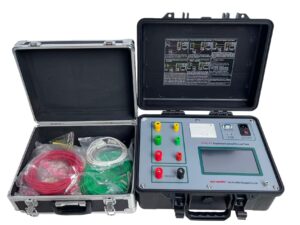
Click the picture to know more about Wrindu Transformer No-load and Load loss Tester.
Why does no load loss testing require a dedicated tester?
No load loss values are very small compared to load loss. They stay sensitive to voltage stability, harmonic distortion, and instrument accuracy. General power meters often fail to deliver stable results under rated voltage conditions. A dedicated no load loss tester focuses on core loss measurement and reduces external interference. That makes it essential for factory testing, site acceptance, and efficiency audits.
What applications should you define before choosing a tester?
Before selecting an instrument, users should define how and where they will test. Factory testing needs high repeatability. On-site testing needs portability and fast setup. Utility audits need clear data records. Different scenarios place different demands on accuracy, voltage range, and operating convenience. Defining the application avoids overpaying or under-specifying the tester.
What accuracy level is required for transformer no load loss testing?
Accuracy is the first technical requirement. Energy regulations and utility standards often set strict limits on allowable error. A tester with poor accuracy can show compliance on paper but fail in audits. When you choose a transformer tester, always check core loss measurement accuracy, voltage stability control, and phase measurement precision. These factors directly affect no load loss results.
How important is voltage stability and waveform quality?
No load loss depends strongly on applied voltage and waveform. Even small voltage deviations change core loss results. Harmonics can also increase measured loss. A suitable tester should support stable rated voltage output and reduce waveform distortion. This feature helps users achieve repeatable and comparable results between factory and site tests.
What data and reporting functions do users often need?
Engineers often ask how to store and explain test results. A good tester should display results clearly and store data for later review. Exportable records help during acceptance, audits, and disputes. Simple operation and clear screens reduce operator errors and speed up testing.
What portability and power supply features matter in the field?
Field engineers value compact size and reliable power. On-site testing may last several hours. A built-in battery with sufficient capacity improves flexibility. Lightweight design reduces setup time and fatigue, especially in substations or confined spaces.
Selection checklist: How to choose a no load loss tester?
Use the checklist below before making a decision:
-
Confirm accuracy meets utility or regulatory limits
-
Check voltage range and stability performance
-
Verify waveform distortion control capability
-
Review data storage and export functions
-
Evaluate portability and battery performance
-
Ensure suitability for factory and on-site testing
-
Confirm service support and calibration options
This checklist helps buyers move from comparison to purchase.
How does the Wrindu No Load Loss Tester fit these requirements?
The Wrindu RDBK-III No Load Loss Tester meets transformer testing needs with high accuracy and practical design. It measures no-load loss, load loss, short-circuit impedance, and zero-sequence impedance, suitable for 35kV and above main transformers in factory and on-site testing.
It delivers stable results through synchronous AC sampling and digital signal processing, with voltage accuracy of ±0.2% rdg and current accuracy of ±0.2% rdg, even under low power factor conditions. Automatic correction for temperature, frequency (45–65Hz), and current improves result consistency.
The tester features a 7-inch touch screen, stores up to 160 test records, includes a built-in thermal printer, and supports USB data export. With a compact and portable design, it helps engineers reduce setup time and test efficiently.
For users who want to choose transformer tester solutions with accuracy, efficiency, and compliance in mind, the Wrindu No Load Loss Tester fits the selection checklist well.
