

Future Trends in Transformer Loss Testing
Explore future transformer testing trends, including digitalization and smart grids. Learn how Wrindu No Load Loss Tester supports accurate, data-driven loss measurement.
Transformer loss testing continues to evolve as power systems move toward digitalization and smart grids. Among all test parameters, no load loss of transformer remains a core indicator of efficiency, asset health, and regulatory compliance.
This article explores future transformer testing trends, explains how digital tools change loss measurement, and highlights what test engineers should expect next.
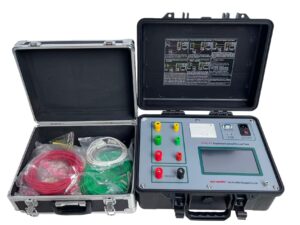
Click the picture to know more about Wrindu Transformer No-load and Load loss Tester.
Why is transformer loss testing changing?
Power grids now demand higher efficiency, better data, and faster decisions. Utilities face stricter energy regulations and carbon targets. At the same time, smart grid projects introduce more data-driven asset management. These changes push transformer loss testing beyond basic acceptance checks. Engineers now treat no load loss as a long-term performance indicator, not just a factory value.
How does digitalization influence no load loss testing?
Digitalization shifts testing from manual measurement to data-driven analysis. Modern testers collect high-resolution data and process results in real time. Digital signal processing improves accuracy when measuring low loss and low power factor values. Engineers also rely on digital records to compare results across years. This trend reduces disputes and supports predictive maintenance.
What role does no load loss play in smart grid development?
Smart grids focus on continuous efficiency and condition monitoring. No load loss directly affects base-load energy consumption. Grid operators track it to reduce lifetime losses and emissions. As smart grids expand, utilities expect more frequent verification of transformer loss performance. Accurate and repeatable no load loss testing supports this goal.
How will transformer testing move from periodic tests to lifecycle monitoring?
Traditional testing happens at the factory or during commissioning. Future practice extends testing across the transformer lifecycle. Utilities compare no load loss data from factory, site, and later inspections. Consistent measurement methods allow trend analysis. This shift helps engineers detect core degradation early and plan maintenance before failures occur.
What do engineers expect from future loss testing instruments?
Instrument users often ask about accuracy, data handling, and ease of use. Future testers must deliver stable results under field conditions. They must store and export data for digital platforms. Simple operation remains important as testing teams become smaller. Portability also matters as on-site testing increases.
How does the Wrindu No Load Loss Tester align with these trends?
The Wrindu No Load Loss Tester supports modern transformer loss testing needs. It provides accurate no load loss measurement with digital signal processing and stable voltage control. Engineers use it for factory and on-site testing, which supports lifecycle data comparison. Clear data storage and export functions also fit digital workflows. For teams tracking transformer testing trends, this approach supports future-ready testing.
Will standards and regulations drive further changes?
Energy efficiency standards continue to tighten worldwide. Regulators increasingly rely on measured data, not design values. This trend increases the importance of precise no load loss testing. Instruments that deliver repeatable results help utilities meet policy and audit requirements without delays.
What should testing teams prepare for next?
Testing teams should prepare for more data-driven workflows. They should align test methods across factory and site stages. They should also choose instruments that support future grid requirements. Investing in reliable no load loss testing today helps avoid upgrades tomorrow.
What defines the future of transformer loss testing?
The future of transformer loss testing centers on digitalization, smart grids, and lifecycle efficiency. No load loss of transformer remains a key metric in this evolution. Teams that follow emerging transformer testing trends and adopt advanced tools like the Wrindu No Load Loss Tester will stay ahead in performance, compliance, and reliability.
