

Top 5 Common Mistakes in DC Leakage Testing and How to Avoid Them?
Learn the most common mistakes in DC leakage testing, their causes, and practical ways to avoid leakage current measurement errors in transformer testing.
DC leakage testing plays a key role in transformer insulation evaluation. It helps engineers detect early defects before failure occurs. Even small leakage current changes can signal moisture, aging, or contamination.
However, many engineers still face common mistakes in DC leakage testing. These errors lead to wrong conclusions and increase operational risk. Understanding these issues helps teams improve test accuracy and reliability.
Are You Using the Right Equipment for Leakage Current Measurement?
Using incorrect or low-accuracy instruments causes serious leakage current measurement errors. Some testers lack proper resolution for small current changes.
Always use equipment designed for high-voltage DC testing, such as wrindu Withstand High Voltage Tester. The instrument should provide stable voltage output and precise current measurement. Regular calibration also matters. And proper tools reduce transformer testing mistakes and improve confidence in test results.
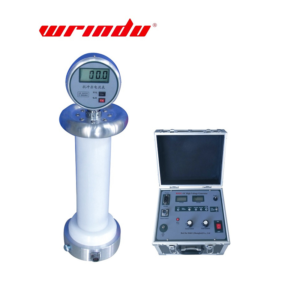
Click the picture to know more about Wrindu Withstand High Voltage Tester.
Are Temperature and Humidity Affecting Your Test Results?
Many engineers ignore environmental conditions during testing. Temperature and humidity directly affect insulation resistance and leakage current.
High humidity often increases surface leakage. Low temperature may hide insulation problems. Always record environmental data during tests.
By controlling or compensating for conditions, engineers avoid high-voltage testing pitfalls and improve result consistency.
Did You Fully Discharge the Equipment Before Testing?
Residual charge creates unstable readings and safety risks. This mistake appears often after previous tests or repairs.
Before DC leakage testing, fully discharge the transformer and test circuit. Follow proper grounding procedures and allow enough discharge time.
Correct discharge practices prevent false leakage signals and protect test personnel.
Are You Overlooking the Actual Condition of Insulation?
Testing without understanding insulation history leads to wrong conclusions. Aging insulation behaves differently from new insulation.
Visual inspection and historical data help explain abnormal leakage trends. Rising leakage current often signals deterioration, not test error.
By combining test data with insulation condition, engineers reduce transformer testing mistakes and make better maintenance decisions.
Is Your Test Setup Correct and Consistent?
Incorrect wiring, poor grounding, or unstable connections distort leakage current readings. These setup issues remain one of the most common high-voltage testing pitfalls.
Always follow standard setup guidelines. Use short, clean connections and stable grounding points. Keep the setup consistent for trend comparison.
A correct setup improves repeatability and data reliability.
How Can Engineers Avoid DC Leakage Testing Mistakes?
Engineers can avoid errors by using proper instruments, controlling environment factors, and following correct procedures. Training and standard test methods also help.
Accurate DC leakage testing supports better insulation assessment and safer transformer operation. By avoiding these common mistakes, teams improve reliability and extend asset life.
