

How to Prevent Insulation Failures Using DC Withstand Voltage Testing?
Compare Wrindu DC Hipot Tester with basic testers. Learn how accuracy, stability, and automation improve DC leakage and withstand voltage testing.
Insulation failure causes transformer outages, safety risks, and high repair costs. Many failures start with small insulation defects that go unnoticed during daily operation.
Engineers aim to prevent insulation failures before breakdown happens. Reliable testing methods help identify weak points early. Among them, DC withstand voltage testing plays a key role in insulation protection and long-term asset reliability.
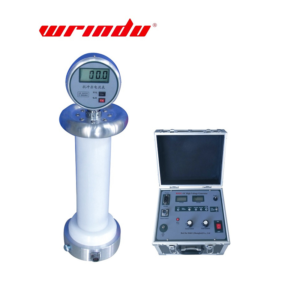
Click the picture to know more about Wrindu DC Hipot Tester.
How Does DC Withstand Voltage Testing Help Prevent Insulation Failures?
DC withstand voltage testing applies controlled DC voltage to insulation and monitors its response. Weak insulation areas show abnormal leakage current or unstable behavior.
This method helps engineers detect cracks, moisture paths, and aging insulation. These defects often remain hidden under normal voltage. By finding them early, teams can repair or replace insulation before failure occurs.
DC testing also supports trend analysis. Rising leakage current often signals insulation degradation. This makes DC testing valuable for dielectric testing and condition-based maintenance.
Why Choose Wrindu DC Hipot Tester?
How is Wrindu DC Hipot Tester different from basic DC hipot testers?
Many basic DC hipot testers only provide high voltage output and a rough leakage current display.
They focus on voltage level but ignore measurement stability and data accuracy.
Wrindu DC Hipot Tester integrates high-voltage generation, precise DC leakage measurement, and stable filtering in one system.
This design helps users obtain repeatable and reliable leakage current values, not just pass/fail results.
Is Wrindu DC Hipot Tester more accurate for DC leakage current measurement?
Yes. Accuracy is one of the key differences.
Conventional testers often suffer from voltage ripple and noise. This causes leakage current readings to fluctuate.
Wrindu DC Hipot Tester uses optimized voltage regulation and digital sampling to reduce ripple effects.
As a result, engineers can clearly observe:
-
Initial charging current
-
Stable leakage current
-
Insulation degradation trends
This is critical for condition assessment, not only withstand testing.
How does Wrindu DC Hipot Tester improve testing efficiency on site?
Traditional DC hipot testing requires manual steps:
-
Voltage ramp control
-
Timing by operator
-
Manual data recording
Wrindu DC Hipot Tester supports automated test sequences and real-time display.
This reduces operator workload and shortens on-site testing time.
For utilities and service teams, this means:
-
Faster testing
-
Fewer human errors
-
More consistent test results
Is Wrindu DC Hipot Tester suitable for both lab and field use?
Some DC hipot testers work well in laboratories but perform poorly on site.
They may be sensitive to grounding conditions and environmental interference.
Wrindu DC Hipot Tester is designed for field applications:
-
Strong anti-interference capability
-
Stable performance under variable grounding conditions
-
Clear interface for outdoor operation
This makes it suitable for substations, power plants, and cable testing sites.
When should users choose Wrindu DC Hipot Tester over low-cost alternatives?
Low-cost DC hipot testers may work for simple acceptance tests.
However, they are not ideal when users need:
-
Trend analysis
-
Insulation aging evaluation
-
Consistent long-term records
Wrindu DC Hipot Tester is a better choice when testing moves from “pass or fail” to “condition-based assessment”.
What On-site Problems Can DC Testing Help Avoid?
Case 1: Transformer Maintenance
During routine transformer maintenance, engineers applied DC withstand voltage testing. The test showed rising leakage current in one winding. The team fixed insulation damage before commissioning. This prevented a future outage.
Case 2: Cable Insulation Inspection
A field team tested aging cables using DC withstand testing. One section showed unstable current behavior. Engineers replaced that section and avoided unexpected failure during peak load.
These examples show how electrical testing for insulation helps teams act early and reduce risk.
What Are the Best Practices for Effective DC Withstand Testing?
Engineers often ask how to improve test accuracy and safety.
Start with proper test preparation. Clean insulation surfaces and ensure correct grounding. Increase voltage gradually and monitor leakage current closely.
Always follow correct discharge procedures after testing. Residual charge can affect results and safety. Use calibrated instruments designed for DC withstand testing.
Record test data and compare trends over time. Consistent testing supports better insulation evaluation and maintenance planning.
Why Should Engineers Perform DC Withstand Testing Regularly?
Regular testing helps engineers track insulation condition changes. It reduces unexpected failures and extends equipment service life.
When teams include DC withstand voltage testing in routine maintenance plans, they improve system reliability and safety. Preventive testing costs far less than emergency repairs.
What Questions Do Engineers Ask When Using DC Withstand Voltage Testing?
Q: Can DC withstand voltage testing damage insulation?
A: No, when engineers use correct voltage levels and test time. DC testing applies low current and creates limited thermal stress. It suits both new and aged insulation.
Q: How high should the DC test voltage be?
A: Engineers usually follow IEC or IEEE standards. The voltage depends on equipment rating and test purpose. Always increase voltage gradually and avoid over-stressing insulation.
Q: What does rising leakage current during the test mean?
A: Rising leakage current often indicates insulation aging, moisture, or contamination. Engineers treat it as an early warning sign of insulation weakness.
Q: Is DC withstand voltage testing enough to prevent insulation failures?
A: DC testing plays a key role, but engineers often combine it with other dielectric testing methods. Together, they provide a more complete insulation assessment.
Q: Why is proper discharge important after DC testing?
A: DC testing leaves residual charge in insulation. Proper discharge ensures operator safety and prevents false readings in future tests.
