

Why Is DC High Voltage Testing Essential for Transformer Maintenance?
Learn the importance of DC high voltage testing in transformer preventive maintenance. Discover benefits, procedures, challenges, and how it ensures insulation integrity.
DC high voltage testing is a critical method used to evaluate the insulation integrity of transformers. During operation, transformers are subjected to constant electrical stress, making insulation degradation a significant risk. Without regular testing, minor issues in insulation can go unnoticed until they lead to major failures. DC high voltage testing helps identify weaknesses in transformer insulation before they cause costly breakdowns, making it an essential tool in preventive maintenance.
By applying a high DC voltage to the transformer, this test reveals how well the insulation can handle operational stress, ensuring the reliability and safety of the equipment.
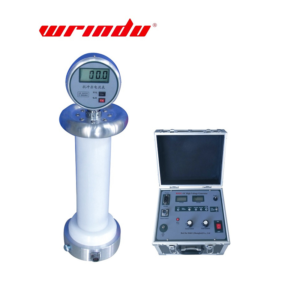
Click the picture to know more about Wrindu DC Leakage Current Tester.
How Does DC High Voltage Testing Work?
DC high voltage testing works by applying a controlled high voltage to the insulation of the transformer. The key goal is to test the dielectric strength, which refers to the ability of the insulation to withstand electrical stress without breaking down.
Testing Process Overview:
-
Set-Up: The transformer is de-energized, and a high-voltage tester is connected to the insulation system.
-
Voltage Application: A DC voltage higher than the transformer’s operational voltage is applied.
-
Observation: The tester monitors the leakage current or any breakdown in the insulation. The higher the leakage current, the more likely it is that the insulation is deteriorating or has defects.
This test simulates the electrical conditions the transformer would experience during operation, making it a reliable indicator of potential failure points.
What Are the Key Benefits of DC High Voltage Testing for Preventive Maintenance?
DC high voltage testing is an essential part of a preventive maintenance program, offering various benefits:
-
Early Identification of Insulation Issues: The test helps detect hidden problems such as cracks, moisture, and contamination in the transformer’s insulation, allowing for early intervention before more serious issues arise.
-
Enhanced Reliability: Regular testing reduces the risk of unexpected transformer failures by ensuring the insulation remains intact and effective. It contributes to the overall reliability of power systems by preventing transformer downtime.
-
Cost Savings: By identifying and addressing insulation problems early, DC high voltage testing helps prevent major transformer failures, which could lead to costly repairs or replacements. This approach is much more cost-effective than addressing failures once they occur.
-
Prolonged Equipment Lifespan: Regular testing and timely maintenance can extend the life of the transformer by preventing gradual wear and tear from going undetected.
What Are the Challenges and Limitations of DC High Voltage Testing?
While DC high voltage testing is valuable, it does come with some challenges that need to be addressed:
-
Safety Concerns: Handling high voltage can be dangerous, especially if safety protocols are not strictly followed. Adequate personal protective equipment (PPE) and proper training are necessary for technicians performing these tests.
-
Environmental Factors: High voltage tests can be affected by external factors such as temperature, humidity, and the age of the transformer. These environmental factors can influence the test results, potentially leading to inaccurate readings if not accounted for.
-
Invasive Testing: The high voltage testing process can be invasive, requiring the transformer to be temporarily taken offline for the duration of the test. This downtime, although minimal, may affect the availability of the transformer for critical operations.
-
Test Equipment Calibration: For accurate results, the testing equipment must be calibrated correctly. Regular maintenance of testing instruments is essential to ensure they perform optimally and provide accurate results.
How Does DC High Voltage Testing Contribute to Long-Term Transformer Health?
DC high voltage testing is an indispensable part of preventive maintenance, contributing to long-term transformer health and system stability. By detecting insulation weaknesses early, it allows maintenance teams to address issues before they evolve into larger, more expensive problems.
The key benefits of DC high voltage testing include:
-
Increased Safety: Ensuring that transformers can handle electrical stress reduces the chances of dangerous failures.
-
Lower Operational Costs: Preventing transformer failure by identifying insulation issues early saves both time and money.
-
Sustained Operational Efficiency: Regular testing keeps transformers running efficiently, reducing the likelihood of performance degradation and operational disruptions.
By integrating DC high voltage testing into routine maintenance schedules, organizations can extend transformer lifespan, improve operational reliability, and protect investments.
What Are Common Questions About DC High Voltage Testing?
How Do I Know When to Perform DC High Voltage Testing on a Transformer?
Perform DC high voltage testing after major maintenance, when a transformer is aging, or if there is a noticeable drop in performance. It is also advised when the transformer has been subjected to environmental stress or severe operational conditions.
What Equipment is Needed for DC High Voltage Testing?
A high voltage insulation tester, also known as a dielectric strength tester, is the primary equipment used for this test. It applies the high DC voltage and measures the resulting leakage current to assess the insulation’s condition.
What Is the Ideal Voltage Level for DC High Voltage Testing?
The voltage level depends on the transformer’s rating and operational parameters. Typically, it should be higher than the normal operating voltage, but it should never exceed the insulation’s maximum dielectric strength, as this could damage the equipment.
What Are the Main Issues Identified Through DC High Voltage Testing?
DC high voltage testing can identify issues like:
-
Insulation Breakdown: Failure to withstand high voltage could indicate cracks, moisture, or contamination in the insulation.
-
Aging Insulation: The test helps detect insulation degradation due to prolonged use or harsh conditions.
-
Electrical Leaks: The presence of leakage current can signal gaps or weaknesses in the insulation system.
Can DC High Voltage Testing Be Used to Prevent Transformer Failures?
Yes, when performed regularly, DC high voltage testing helps identify early signs of insulation problems, which could otherwise lead to catastrophic failures. Timely repairs and maintenance based on test results prevent transformer breakdowns and extend their lifespan.
