

Why Negative Polarity Is Used in DC High-Voltage Tests
Learn why negative polarity is used in DC testing to improve insulation resistance accuracy, stabilize electric fields, and ensure reliable high-voltage test results.
DC testing plays a key role in evaluating insulation condition in high-voltage equipment. During DC high-voltage tests, engineers often choose negative polarity instead of positive polarity. This choice is not random. It comes from electric field behavior, insulation response, and long-term testing experience.
This article explains why negative polarity is widely used in DC testing and how it improves insulation resistance evaluation.
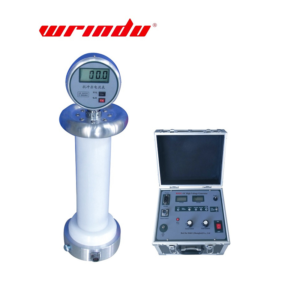
Click the picture to know more about Wrindu DC Hipot Tester.
How Does Electric Field Distribution Change With Polarity?
Q: What is the main electric field difference between positive and negative polarity?
A: Under negative polarity, electrons move from the high-voltage electrode toward the grounded insulation. This creates a more uniform electric field near sharp points and surfaces.
Q: Why does this matter in DC testing?
A: Uneven electric fields increase local stress. They can trigger surface discharge and false test failures. Negative polarity reduces electric field concentration near electrodes, especially in bushings and windings.
Q: Does polarity affect corona and surface effects?
A: Yes. Negative polarity lowers corona activity in air gaps. This helps stabilize DC testing results and improves measurement repeatability.
How Does Negative Polarity Affect Insulation Performance?
Q: Why does negative polarity better reflect insulation resistance?
A: Insulation materials respond differently to electron flow than ion flow. Under negative polarity, leakage current mainly comes from real insulation defects, not surface effects.
Q: Does negative polarity reduce insulation damage risk?
A: Yes. Negative polarity applies stress in a controlled way. It limits space charge accumulation inside solid insulation. This helps protect aged or moisture-affected insulation.
Q: Is moisture detection affected by polarity?
A: DC testing with negative polarity shows moisture influence more clearly. Leakage current rises faster when moisture exists. This makes insulation resistance trends easier to interpret.
Why Do Most Standards Recommend Negative Polarity?
Q: Is negative polarity required by testing standards?
A: Many industry practices recommend negative polarity for DC testing of transformers, cables, and bushings. It improves safety and consistency.
Q: Does negative polarity improve data comparison?
A: Yes. Using the same polarity allows engineers to compare historical DC testing data. This helps identify insulation aging and degradation trends.
Q: Is operator safety related to polarity choice?
A: Negative polarity reduces surface discharge and unexpected flashover. This improves safety during high-voltage DC testing.
What Are the Practical Guidelines for Using Negative Polarity in DC Testing?
Q: When should engineers use negative polarity?
A: Use negative polarity in insulation resistance tests, DC withstand tests, and leakage current measurements on high-voltage equipment.
Q: What should operators pay attention to during testing?
-
Keep polarity consistent across tests
-
Monitor leakage current rise rate
-
Allow enough discharge time after testing
Q: Does equipment design support negative polarity?
A: Most modern DC testing systems support stable negative polarity output. This ensures accurate DC testing under field and factory conditions.
Wrindu Expert Review
Negative polarity is widely used in DC testing because it creates a stable electric field, reflects true insulation resistance, and reduces testing risk. For engineers and test operators, understanding polarity choice improves result accuracy and supports reliable insulation assessment over time.
