

How to Safely Measure Conductance Current in Lightning Arresters?
Learn how to safely measure leakage current in lightning arresters, ensuring accurate DC withstand voltage testing and reliable arrester performance.
Measuring leakage current in lightning arresters is an essential step in high-voltage maintenance and DC withstand voltage testing. Accurate measurement ensures that the arrester performs reliably under stress while protecting equipment and personnel. This article explains the principles, safe current ranges, and techniques to minimize measurement errors.
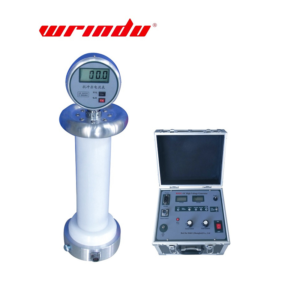
Click the picture to know more about Wrindu DC Withstand Voltage Testing.
What Are the Principles of Conductance Current Measurement?
Measuring leakage current involves applying a DC or low-frequency voltage to the lightning arrester and recording the current that flows through it. Key points include:
-
Use a high-voltage source compatible with arrester ratings.
-
Ensure the arrester is properly grounded to prevent unsafe voltage buildup.
-
Monitor both the resistive and capacitive components of the leakage current.
Understanding these principles helps operators differentiate between normal operating current and signs of insulation degradation.
What Are Safe Current Ranges for Testing Lightning Arresters?
Maintaining safe current levels protects both the arrester and the operator:
-
Follow manufacturer guidelines for maximum allowable leakage current.
-
Avoid sudden voltage steps that can spike the current beyond safe limits.
-
Use proper high-voltage insulation and protective devices to prevent accidental exposure.
Safe testing ensures the arrester is evaluated accurately without causing damage or risk to personnel.
How Can Measurement Errors Be Eliminated?
Several factors can distort leakage current readings:
-
Environmental interference: High humidity or electromagnetic noise can affect microammeter readings.
-
Poor grounding or shielding: Unstable connections create fluctuating currents.
-
Equipment limitations: Low-resolution meters or uncalibrated generators produce inaccurate results.
To minimize errors:
-
Use shielded measurement cables and single-point grounding.
-
Stabilize the high-voltage source before taking readings.
-
Ensure microammeters are calibrated and capable of detecting small currents accurately.
Wrindu Expert Review
Accurate leakage current measurement in lightning arresters is critical for safe and effective high-voltage maintenance. By following correct measurement principles, adhering to safe current ranges, and eliminating errors, engineers can ensure reliable arrester performance and reduce the risk of insulation failure during DC withstand voltage testing.
