

How to Locate Buried Cables Without Drawings?
Learn how to locate buried cables without drawings using underground cable path detection and how the Wrindu RDCD-Ⅱ/507 improves tracing accuracy, depth measurement, and excavation safety.
Many field engineers face a common problem: no cable drawings. Without maps, safe excavation and accurate fault repair become difficult. So reliable underground cable path detection becomes essential before any digging or testing.
This article explains practical ways to find buried cables and shows how the Wrindu RDCD-Ⅱ/507 Cable Pipeline Detector supports fast and safe route locating.
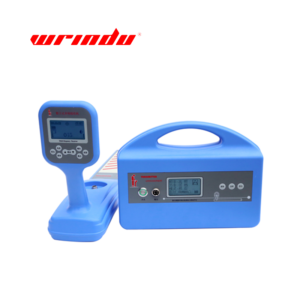
Click the picture to know more about Wrindu RDCD-Ⅱ/507 Cable Pipeline Detector.
Why Is It Difficult to Find Buried Cables Without Drawings?
Missing drawings create several risks:
-
Unknown underground cable path direction
-
Unclear burial depth
-
Possible crossing with other utilities
-
High chance of wrong excavation
These issues increase repair time and safety hazards.
Accurate cable route detection solves this problem.
What Methods Help Locate Underground Cable Paths?
Engineers often use the following methods:
1. Signal Injection Tracing
A locator sends a tracing signal into the cable.
The receiver follows the electromagnetic field along the underground cable path.
This method gives clear direction and distance.
2. Depth Measurement
Modern detectors calculate burial depth while tracing the route.
Depth information guides safe excavation and prevents cable damage.
3. Route Verification by Repeated Scanning
Engineers scan the same path from different positions.
Consistent signals confirm the true underground cable route.
These steps allow safe locating even without original drawings.
How Does the Wrindu RDCD-Ⅱ/507 Help Detect Underground Cable Paths?
The Wrindu RDCD-Ⅱ/507 Cable Pipeline Detector provides accurate underground cable path locating in complex environments.
Key advantages include:
-
Precise signal tracing for clear cable direction
-
Real-time depth detection for safe digging guidance
-
Stable long-distance detection in urban networks
-
Portable field design for fast on-site work
These features help engineers quickly rebuild the missing cable route map and prepare for fault repair.
What Safety Steps Should Engineers Follow Before Excavation?
Before digging, engineers should:
-
Confirm the underground cable path with repeated tracing
-
Verify burial depth at several points
-
Mark the route clearly on the ground
-
Keep safe distance from other pipelines
These actions reduce excavation accidents and service interruption.
Common Questions About Locating Buried Cables Without Drawings
Q1: Can engineers find underground cables without drawings?
Yes. Cable route detectors can trace the real underground cable path. Signal tracing replaces missing maps.
Q2: What is the safest way to confirm the cable position?
Use repeated scanning and depth measurement. Consistent results ensure accuracy.
Q3: Why choose the Wrindu RDCD-Ⅱ/507?
It combines precise tracing and depth detection in one device. This speeds up locating and improves safety.
Q4: Does underground cable path detection reduce repair time?
Yes. Clear routing prevents wrong digging and repeated work.
Wrindu Expert Review
Locating buried cables without drawings remains a major field challenge. However, accurate underground cable path detection makes safe excavation and fast repair possible.
With tools like the Wrindu RDCD-Ⅱ/507 Cable Pipeline Detector, engineers gain:
-
Reliable underground cable tracing
-
Clear burial depth information
-
Faster preparation for cable fault repair
For modern power maintenance, finding the underground cable path before digging is essential. It protects equipment, reduces downtime, and ensures safe operation.
