

How to Maintain Oil Filled Power Cables Safely?
Learn how to perform safe oil filled cable maintenance through proper cycles, monitoring, and preventive testing to improve HV cable reliability and extend service life.
Safe operation of HV systems depends on effective oil filled cable maintenance. A clear maintenance cycle, continuous monitoring, and preventive testing help reduce failure risk and extend cable life. This guide explains practical steps that support reliable power transmission.
What Is the Correct Maintenance Cycle for Oil Filled Cables?
A planned schedule keeps cable condition stable. Utilities often perform routine inspection every year and detailed testing every few years. Aging cables require shorter intervals.
Regular oil filled cable maintenance includes oil sampling, pressure checks, and insulation evaluation. Consistent scheduling prevents hidden degradation from developing into major faults.
Why Is Continuous Monitoring Important?
Real-time monitoring detects early changes in pressure, temperature, and oil condition. Small variations often signal insulation stress or leakage risk.
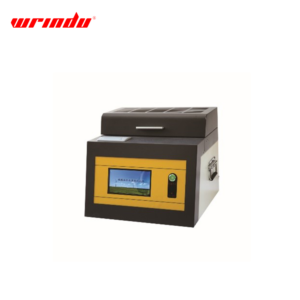
Click the picture to know more about Wrindu Oil Dielectric Strength Tester.

Click the picture to know more about Wrindu oil gas chromatography analyzer.
Online supervision allows engineers to respond quickly. Fast correction avoids unexpected outages and supports long-term HV cable reliability. Monitoring therefore forms a core part of modern oil filled cable maintenance.
How Does Preventive Testing Improve Cable Safety?
Preventive testing reveals defects before failure occurs. Common methods include partial discharge testing, leakage current measurement, and oil quality analysis.
These tests provide clear diagnostic data. Engineers can repair weak insulation, remove moisture, or restore oil quality in time. Preventive action greatly reduces HV cable fault probability and maintenance cost.
What Questions Do Engineers Ask About Oil Filled Cable Maintenance?
How often should preventive testing occur?
Follow a risk-based cycle. Older cables need more frequent testing.
What is the first warning sign of cable problems?
Pressure or oil quality change. These appear before insulation failure.
Can monitoring replace field testing?
No. Monitoring supports testing but cannot replace full diagnostics.
Why is preventive maintenance essential for HV oil filled cables?
It finds defects early and prevents sudden outages.
Wrindu Expert Review
Effective oil filled cable maintenance combines scheduled service, continuous monitoring, and preventive testing. This approach protects insulation health, reduces failure risk, and ensures stable HV power delivery. Utilities that apply proactive maintenance achieve longer cable life and safer system operation.
