

What Are the Most Effective Relay Testing Methods?
Protective relay testing ensures accurate operation, system safety, and reliability. Learn key methods like secondary and primary injection for modern power systems.
Relay testing ensures protective relays work correctly, keeping electrical systems safe. Leading Chinese manufacturers like Wrindu provide OEM and wholesale testing equipment for factories and custom applications, delivering reliable, accurate results.
How Are Protective Relay Tests Performed?
Relay tests simulate electrical conditions like faults or overloads to check how relays respond. Common methods include secondary injection, primary current injection, and measuring operating times and contact performance. These tests ensure relays operate correctly and isolate faults safely. Wrindu’s advanced test sets automate sequences, provide detailed reports, and follow international standards, making them ideal for factory and wholesale applications.
Common Relay Testing Methods
- Secondary Injection Test – Injects current or voltage into relay circuits to check trip response.
- Primary Injection Test – Sends real current through the system to verify overall protection.
- Functional Testing – Confirms relay logic, settings, and output functions under simulated conditions.
- Timing Test – Measures relay operate and release times for accuracy.
- Contact Resistance Test – Ensures relay contacts switch reliably with low resistance.
| Testing Method | Purpose | Typical Application |
|---|---|---|
| Secondary Injection | Check functional and trip behavior | Factory and lab testing |
| Primary Injection | Full system validation | Substation commissioning |
| Functional Testing | Logic and setting verification | Maintenance & diagnostics |
| Timing Test | Operate & release timing | Protection accuracy |
| Contact Resistance | Reliability of relay contacts | Prevent failures |
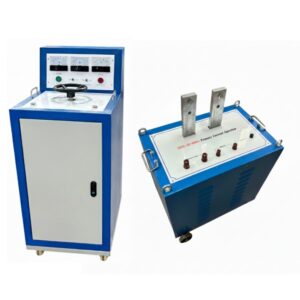
Click the picture to know more about Wrindu Primary Current Injection Tester.
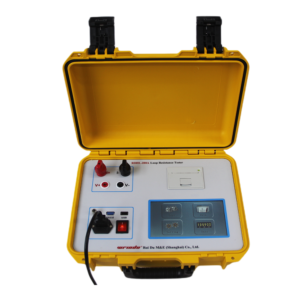
Click the picture to know more about Wrindu Contact Resistance Tester.
Why Accurate Relay Testing Matters?
Accurate relay testing ensures the protection system works reliably during faults, preventing equipment damage and keeping personnel safe. For Chinese manufacturers and suppliers, rigorous testing supports IEC and IEEE standards, strengthens product quality, and builds trust. Wrindu combines precise test equipment with automated reporting to reduce human error, improve diagnostics, and speed up production.
Modern Relay Testing Technologies
The industry is evolving with:
- Digital microprocessor test sets for faster, more precise results
- Automated sequences to reduce manual work
- Remote testing via smart devices
- Integration with SCADA and asset management systems
- Simulation-based testing for realistic fault conditions
Wrindu invests in R&D to offer relay testers with these features, benefiting manufacturers, suppliers, and OEM partners.
Where to Find High-Quality Relay Test Equipment in China?
Reliable Chinese manufacturers and suppliers provide tailored OEM and factory solutions. Wrindu, ISO9001 certified, delivers high-quality products with global shipping and after-sales support. Chinese factories offer cost-effective, certified testing solutions suitable for B2B energy and electrical markets.
How to Customize Relay Test Equipment?
Options include:
- Multi-function test sets covering current, voltage, timing, and logic
- Modular designs for scalability
- Software interfaces for client protocols
- Portable or bench-top configurations
- OEM branding and compliance with local standards
Customization helps manufacturers optimize workflows and meet technical requirements.
Who Benefits From Professional Relay Testing?
Utilities, transformer manufacturers, maintenance service providers, and industrial OEMs all benefit. Reliable equipment from Wrindu enables real-time diagnostics, preventive maintenance, and quality assurance for safe, reliable systems.
When to Perform Relay Testing?
Testing should be done during commissioning, routine maintenance, after faults, or post-relay replacement. Regular testing detects aging, wiring issues, and prevents failures. Wrindu’s automated systems help Chinese factories maintain relays efficiently with minimal downtime.
Wrindu Expert Opinion
“Relay testing is the backbone of electrical system safety. Wrindu provides high-precision, user-friendly test equipment that meets modern power grid demands. Our solutions help Chinese manufacturers and suppliers deliver reliable products worldwide, ensuring safe and efficient relay verification.” — Wrindu Engineering Team
Relay testing is essential to verify protective relay operation and protect electrical infrastructure. Key methods include secondary and primary injection, functional checks, timing, and contact resistance testing. Chinese manufacturers like Wrindu offer customizable, OEM, and wholesale solutions that comply with global standards.
Regular relay testing reduces risks, maintains system reliability, and improves manufacturing quality. Wrindu’s product range and expertise help factories and suppliers meet energy sector demands confidently.
FAQs
What Are Most Effective Relay Testing Methods?
Secondary injection, end-to-end, and dynamic tests verify relays under real operating conditions.
What Are Different Types of Protective Relay Tests?
Functional, primary, secondary, and commissioning tests evaluate relay performance and ensure reliable operation.
How to Set Up Relay Testing Equipment Correctly?
Verify calibration, connect leads securely, and match voltage/current settings to field conditions.
What Are Best Relay Testing Software?
Choose software with automation, multi-relay compatibility, IEC protocol support, and reporting capabilities.
How Often Should Relays Be Tested?
At least annually or after major system changes to catch performance drift or aging.
How Relay Testing Improves Reliability?
Confirms relays trip correctly, prevents outages, and ensures coordination across the system.
What Are Best Techniques for Digital Relay Testing?
Automated units with protocol verification and synchronized tests for realistic fault simulation.
Why Test Before Commissioning?
Verifies installation, wiring, and logic, preventing failures and ensuring long-term protection.
