

IEC 62271 vs IEC 60270 – What’s the Difference?
Discover the difference between IEC 62271 and IEC 60270 for PD testing, ensuring accurate high-voltage switchgear measurements and compliance with international standards.

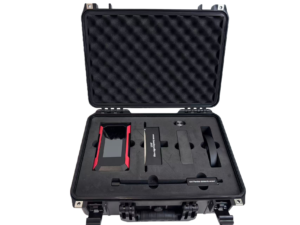
What Is IEC 62271?
IEC 62271 is a series of international standards for high-voltage switchgear and controlgear, typically rated above 1 kV.
Key points about IEC 62271 PD testing:
-
Focuses on equipment design, testing, and performance requirements.
-
Specifies when, how, and under what conditions PD testing should be conducted on switchgear, GIS, RMUs, and circuit breakers.
-
Ensures that new and installed equipment meets global safety and reliability requirements.
-
Includes type testing, routine testing, commissioning checks, and sometimes on-site condition monitoring.
In short, IEC 62271 defines the framework and requirements for PD testing in switchgear applications.
What Is IEC 60270?
IEC 60270 focuses exclusively on the measurement techniques for partial discharge.
Key points about IEC 60270:
-
Provides guidelines for PD measurement procedures, calibration, and instrumentation.
-
Specifies test setups, coupling devices, detection sensitivity, and bandwidth for accurate PD detection.
-
Defines how to quantify PD in picocoulombs (pC) and interpret the results.
-
Widely used as the reference method for measuring PD during type, routine, and on-site testing.
Essentially, IEC 60270 tells engineers how to measure partial discharge, while IEC 62271 tells them when and where it should be measured.
Key Differences Between IEC 62271 and IEC 60270
| Feature | IEC 62271 | IEC 60270 |
|---|---|---|
| Purpose | Equipment design, testing, performance requirements | PD measurement methodology and calibration |
| Scope | Switchgear, controlgear, GIS, RMU | Any high-voltage insulation system requiring PD measurement |
| Focus | When and under what conditions to test PD | How to measure PD signals accurately |
| Type of Guidance | Regulatory, compliance-focused | Technical, instrumentation-focused |
| Relationship | References IEC 60270 for measurement method | Serves as the basis for PD testing in IEC 62271 |
Why Understanding the Difference Matters
-
Compliance: Utilities and manufacturers must follow IEC 62271 to meet international safety and quality requirements.
-
Accuracy: Using IEC 60270 ensures PD readings are reliable and reproducible.
-
Project Planning: Knowing which standard applies helps engineers choose proper test equipment, setup, and documentation.
-
Integration: Modern PD systems often combine online monitoring (IEC 62271 framework) with measurement procedures conforming to IEC 60270.
Practical Applications
-
Factory Testing: IEC 62271 sets test conditions; IEC 60270 defines how PD is measured.
-
Commissioning Substations: IEC 62271 ensures safe installation, while IEC 60270 guides the PD measurement process.
-
Condition-Based Maintenance: Online PD monitors use IEC 60270-compliant sensors to produce data that aligns with IEC 62271 maintenance standards.
Wrindu Expert Review
In essence:
-
IEC 62271 = “When and where to test PD” – focuses on switchgear performance and compliance.
-
IEC 60270 = “How to measure PD” – provides technical methodology for accurate, standardized measurements.
For electrical engineers, understanding both standards ensures safe, reliable, and internationally compliant PD testing across high-voltage systems.
