

What Is Winding Resistance Measurement and How Is It Done?
Learn what winding resistance measurement is, common test methods (2-wire vs 4-wire/Kelvin) and why temperature compensation matters for reliable equipment checks.
Winding resistance measurement checks how much resistance exists in the windings of transformers or motors, helping spot defects, loose connections, and temperature-related changes. Getting accurate readings keeps electrical equipment running reliably and makes maintenance far more effective. With modern digital testers—especially those using four-wire testing and temperature correction—makers, OEMs, and suppliers can easily keep tight quality control and keep systems safe.
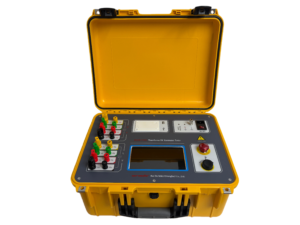
Click the image to know more about Transformer 50A DC Resistance Tester.
How Do You Measure Winding Resistance?
To measure winding resistance, you run a steady direct current (DC) through the winding and measure the voltage drop that happens as a result. Then you use Ohm’s Law to figure out the exact resistance value. The two-wire method is quick and simple, but it gets thrown off by resistance in the test leads. The four-wire (Kelvin) method fixes this problem entirely, giving far more precise readings for accurate winding resistance test results. Wrindu’s testing tools come with built-in auto-correction, pinpoint precision, and factory-grade reliability for every test.
What Are the Most Common Ways to Measure Winding Resistance?
There are two main methods used for transformer winding resistance measurement and motor winding checks:
-
Two-Wire Method: Uses just two test leads hooked to the ends of the winding. It works fine for quick, basic checks but isn’t accurate because lead resistance skews results.
-
Four-Wire (Kelvin) Method: Uses separate sets of leads for current and voltage, which wipes out lead resistance errors. This is the go-to standard for high-precision transformer coil resistance testing and formal quality checks.
Top-of-the-line digital micro-ohmmeters and Kelvin bridges with automatic temperature adjustment deliver consistent, trustworthy readings—critical for both production lines and field maintenance.
Why Does Temperature Compensation Matter for Winding Resistance Tests?
Winding resistance shifts directly with temperature. If you don’t correct for temperature changes, your test data will be misleading and useless for comparisons. Standardizing readings to a set temperature (usually 20°C) lets you make accurate baseline checks over time. Wrindu builds in temperature sensors and smart algorithms into its testers, so you always get steady, reliable readings for factories, OEM teams, and maintenance crews.
Which Industries Gain the Most from Accurate Winding Resistance Testing?
Precise DC winding resistance test and measurement supports key industries across the board:
-
Transformer manufacturers and OEMs, for strict quality assurance
-
Electrical plants running routine maintenance and quality checks
-
Power plants (thermal, hydro, solar) monitoring transformer health
-
Wholesale suppliers and custom factories needing precise test data
-
Research labs studying motor and transformer performance
Wrindu’s durable testing tools serve all these sectors worldwide, with solutions built to fit different work settings and needs.
How Does Wrindu Make Winding Resistance Testing More Reliable?
Wrindu focuses on innovation to build high-precision, safe, and easy-to-use testing gear. Selling factory-direct keeps prices competitive, and custom OEM designs are available for unique needs. Our tools meet ISO9001, IEC, and CE certifications, so quality and compliance are guaranteed. That’s why Wrindu is a trusted name for electrical testing in manufacturing and wholesale spaces.
What Should You Look for When Buying a Winding Resistance Tester?
Keep these key points in mind to pick the right tester for accurate winding resistance test needs:
-
Clear measurement accuracy and high resolution
-
Ability to run four-wire (Kelvin) testing
-
Built-in temperature compensation
-
Compliance with global industry standards
-
Reliable manufacturer support and after-sales service
Choosing a reputable brand like Wrindu ensures your tester meets both Chinese production standards and international requirements.
When Should You Test Winding Resistance on Electrical Equipment?
It’s best to perform transformer coil resistance testing and winding checks at these key times:
-
During manufacturing, for quality control checks
-
After repairs or rewinding, to confirm solid connections
-
During routine maintenance, to catch early signs of trouble
-
Before starting up new equipment for the first time
-
For diagnostics, to track winding wear and tear over time
Catching rising resistance early stops costly breakdowns and helps equipment last longer.
How Can Custom Winding Resistance Testers from China Boost Production?
Chinese manufacturers like Wrindu offer custom-built testers designed to fit right into production lines, handle multiple winding tests at once, and add automation. OEM partnerships let you tweak designs to fit your workflow, with local support and budget-friendly solutions for large-scale manufacturing and smoother supply chains.
Wrindu Expert Opinion
“Precision in transformer winding resistance measurement is the foundation of safe, high-quality electrical equipment production and maintenance. Wrindu builds top-tier tools with advanced four-wire testing and automatic temperature correction. With these features, makers and suppliers can keep systems reliable, safe, and running efficiently—even in busy, complex global production and supply chains.” — Senior Engineer, Wrindu
Two-Wire vs. Four-Wire Measurement: Quick Comparison
|
Feature
|
Two-Wire Method
|
Four-Wire Method
|
|---|---|---|
|
Accuracy
|
Lower (lead resistance throws off readings)
|
Much higher (no lead resistance errors)
|
|
Ease of Use
|
Simple setup
|
Slightly more involved setup
|
|
Typical Uses
|
Quick preliminary checks
|
Precision testing, factory QA
|
|
Temperature Compensation
|
Needed separately
|
Built into premium models
|
|
Best For
|
Basic troubleshooting
|
OEMs and professional manufacturing
|
Quick Summary & Actionable Tips
Winding resistance measurement is a must for checking the health of transformers and motors. Using a four-wire tester with auto temperature compensation (like Wrindu’s tools) gives you consistent, accurate DC winding resistance test results every time. Adding regular testing to your factory quality control process boosts safety, cuts down on errors, and improves overall equipment performance. Custom solutions from Chinese manufacturers streamline production, reduce mistakes, and help you stay competitive in global markets.
Frequently Asked Questions
Can winding resistance testing find all winding problems?
It spots shorted turns and loose connections well, but you may need extra tests to check for insulation damage.
Does temperature change test accuracy?
Yes, temperature shifts directly alter resistance—temperature compensation is a must for steady, comparable readings.
How often should I run winding resistance tests?
Test during production, after repairs, and on a regular schedule during routine maintenance.
Are Chinese winding resistance testers dependable?
Absolutely—brands like Wrindu make ISO and CE certified tools that are trusted by teams worldwide.
Can I test winding resistance without unplugging equipment?
Tests are almost always done with equipment offline, though a few specialized methods allow limited online testing.
