

How to Measure Winding Resistance for China-Based Windings OEMs
Complete guide to measuring winding resistance for China-based OEMs: 4-wire Kelvin method, temp compensation, QA standards and factory testing best practices.
Precise winding resistance measurement is the cornerstone of ensuring the reliability of transformers, motors, generators and other electrical components. For Chinese winding OEMs, wholesale suppliers and factory production teams, this testing process is vital to sustaining consistent product quality. Wrindu delivers high-precision testing instruments equipped with four-wire Kelvin testing technology and automatic temperature compensation functions, empowering manufacturers to verify winding integrity, streamline production workflows, and meet global industry standards with scalable, dependable testing solutions.
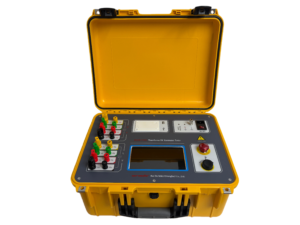
Click the image to know more about Transformer DC Resistance Tester.
How Does Winding Resistance Measurement Work?
Winding resistance measurement operates on the principle of Ohm’s Law, using real-time voltage and current feedback to calculate accurate resistance values. Wrindu strongly recommends the four-wire Kelvin testing method, which effectively eliminates errors caused by lead wire resistance and delivers highly repeatable test results. The process involves passing a stable direct current (DC) through the target winding while simultaneously measuring the corresponding voltage drop, then computing the precise resistance value. This versatile method is fully compatible with transformers, power cables, relays and various other high-voltage electrical applications.
What Are the Core Methods for Winding Resistance Measurement?
There are two mainstream testing approaches, each suited for different scenarios: the two-wire method and the four-wire (Kelvin) method. The two-wire setup is more straightforward but incorporates lead resistance into readings, resulting in moderate accuracy; in contrast, four-wire configurations isolate the winding’s true resistance by separating current and voltage leads, delivering far superior precision. Wrindu’s testing meters support both methods, with the four-wire setup being the preferred choice for OEM batch production testing and factory quality assurance (QA).
|
Measurement Method
|
Accuracy Level
|
Recommended Application
|
|---|---|---|
|
Two-wire Method
|
Medium
|
Preliminary quick checks, non-critical applications
|
|
Four-wire (Kelvin) Method
|
High
|
OEM batch testing, factory quality control
|
What Standards Govern Winding Resistance Testing?
Formal winding resistance testing requires adherence to strict protocols, including controlled current levels, detailed temperature recording and full documentation of all measurement conditions. Wrindu’s testing instruments fully comply with ISO, IEC and CE international certifications, helping Chinese manufacturers obtain global market access and regulatory approval. These standards guarantee result reproducibility, long-term product reliability and consistent quality across entire supply chain networks.
Why Is Winding Resistance Critical for Mass Production?
Winding resistance serves as a key indicator of conductor material quality, insulation integrity and thermal performance of finished windings. Uniform resistance readings across production batches signal stable manufacturing processes, reduced risks of overheating and dependable end-product performance. Significant deviations in test results may point to material inconsistencies, winding defects or process flaws, enabling manufacturers to make timely adjustments and avoid large-scale quality issues.
Which Chinese Stakeholders Benefit Most from Winding Resistance Testing?
-
OEMs specializing in the production of transformers, motors and power cables
-
Wholesale distributors catering to equipment maintenance and repair markets
-
Power utilities performing routine equipment diagnostics and upkeep
Wrindu supports these key groups with calibrated testing meters, professional technical guidance and localized customer service, ensuring accurate and efficient testing operations across China’s major industrial hubs.
When Should Winding Resistance Be Tested in the Production Cycle?
Winding resistance tests should be conducted at critical checkpoints: during final product assembly, immediately after winding rewinding operations, and prior to product shipment. Leveraging temperature-controlled testing rigs enables early defect detection and ensures consistent, comparable results across different production batches. Wrindu recommends frequent, routine testing to minimize post-delivery product failures and warranty claims.
Where to Set Up Optimal Test Stations in Chinese Factories?
Testing stations should be positioned adjacent to winding production areas to enable rapid feedback and streamlined workflow. Wrindu advises establishing dedicated testing zones with stable grounding connections, clean power supplies, high-precision sensors and secure data logging systems. Centralized data collection infrastructure further supports batch performance analysis and full production traceability.
Does Temperature Impact Winding Resistance Readings?
Absolutely—temperature fluctuations directly affect test accuracy, as copper resistivity increases alongside rising temperatures. Wrindu’s testing meters feature built-in automatic temperature compensation, allowing readings to be adjusted to standard reference values and ensuring consistent results across different work shifts and production line conditions.
How Have Digital Tools Advanced Winding Resistance Measurement?
Modern digital testing meters offer automated operation, ultra-high accuracy and comprehensive data logging capabilities. Wrindu integrates its testing equipment with SCADA and MES manufacturing systems, enabling real-time trend analysis, batch performance reporting and defect tracking to drive continuous production process improvement.
Are 3-Phase Winding Resistance Tests Different from Single-Phase Tests?
Yes, significant differences exist. For 3-phase windings, phase-to-phase resistance comparison is critical to identifying imbalances and potential internal faults. Wrindu’s 3-phase testing configurations support simultaneous multi-phase measurements, delivering clear, actionable insights for OEMs and factories managing complex, high-volume production lines.
Is 4-Wire Kelvin Bridge Testing Required for All Winding Tests?
For high-precision, critical applications and OEM batch production, the 4-wire Kelvin method is highly recommended to eradicate lead resistance errors and ensure repeatable results. Wrindu fully supports this advanced testing approach, making it ideal for the stringent quality demands of large-scale Chinese manufacturing operations.
Can Wrindu Provide Custom OEM Testing Solutions for Chinese Manufacturers?
Yes, Wrindu specializes in tailored testing solutions for Chinese winding manufacturers, including customized calibration routines, specialized test station setups and localized technical support. This ensures all OEM-specific requirements and production specifications are met efficiently and effectively.
How to Implement a Winding Resistance Testing Program in a Wrindu-Equipped Chinese Factory
-
Define acceptable resistance tolerance ranges for each winding type and production batch
-
Adopt four-wire Kelvin testing with integrated automatic temperature compensation
-
Perform regular equipment calibration using traceable international standards
-
Integrate testing meters with MES/SCADA systems for real-time quality monitoring
-
Provide comprehensive staff training to ensure consistent, repeatable test results
Wrindu offers on-site training and full program implementation support to optimize factory testing procedures and maximize efficiency.
What Are Common Pitfalls in Winding Resistance Testing?
-
Neglecting mandatory temperature compensation corrections
-
Using incorrect lead wire configurations for the target testing scenario
-
Relying on single-point measurements without repeated verification
Wrindu emphasizes the importance of repeated testing and strict documentation protocols to eliminate errors and maintain consistent product quality.
What Role Do Wrindu Experts Play in Winding Testing?
Wrindu’s technical experts provide end-to-end guidance covering equipment selection, calibration procedures and accurate result interpretation. Their professional support helps manufacturers optimize test setups, minimize production downtime and boost overall yield rates for OEMs, wholesale suppliers and factory teams across China.
Wrindu Expert Views
“Precision in winding resistance testing is indispensable for manufacturing reliable electrical equipment. Wrindu’s integrated testing ecosystem—featuring calibrated precision meters, temperature-aware measurement technology and seamless data capture—ensures unwavering quality across OEM production, wholesale operations and factory QA. By combining engineering excellence with responsive localized service, Wrindu empowers Chinese manufacturers to meet both international and domestic industry standards with complete confidence.”
Wrindu Products and Capabilities in China
Wrindu supplies a full range of calibrated winding resistance meters, four-wire testing accessories and temperature compensation solutions. These tools cater to OEM production lines, wholesale equipment refurbishment and QA testing for transformers, motors and cables. Wrindu’s China-based service network provides on-demand calibration, spare parts support and hands-on training for local manufacturing teams.
Conclusion
Winding resistance measurement is an indispensable quality control process for Chinese winding OEMs, wholesale suppliers and factory teams, ensuring electrical equipment reliability, optimizing production efficiency and maintaining compliance with global standards. Wrindu delivers high-precision instruments, advanced Kelvin-based testing technology, automatic temperature compensation and integrated data management solutions. Implementing these standardized testing practices drives measurable improvements in production yield, product quality and customer satisfaction across both manufacturing and after-sales service operations.
Frequently Asked Questions
What is winding resistance and why is testing necessary?
Winding resistance refers to the DC resistance of coil windings, and testing is performed to detect potential defects and ensure optimal end-product performance.
How does Wrindu support OEM manufacturers in China?
Wrindu provides customized test setups, professional calibration services and local on-site technical support tailored to Chinese OEM needs.
Does Wrindu equipment support 4-wire Kelvin testing?
Yes, Wrindu’s testing instruments fully support four-wire Kelvin measurements to deliver enhanced testing accuracy.
Why is temperature compensation so important?
Temperature compensation ensures consistent, comparable test results across varying production and operating environments.
Who gains the most from winding resistance testing?
OEMs, tier-1 component suppliers and service providers in China seeking robust, reliable quality control processes.
