

Why Voltage Stability Is Critical for Modern Power Grids
Discover why voltage stability is critical for modern power grids, risks of poor voltage control, and how Wrindu testers safeguard grid resilience. Explore expert long-tail FAQs for grid maintenance.
As modern power grids evolve to integrate renewable energy, smart grid technologies, and variable industrial and residential loads,voltage stability has evolved from a basic operational goal to a non-negotiable pillar of grid resilience. Unlike traditional static power networks, today’s grids face constant volatility: intermittent solar and wind generation, peak demand surges, cross-regional power transmission losses, and distributed energy resource (DER) connectivity all threaten to disrupt balanced voltage levels. Without unwavering voltage stability, even minor disruptions can snowball into widespread outages, equipment damage, and costly operational failures, making it the foundation of safe, reliable, and efficient power delivery worldwide.
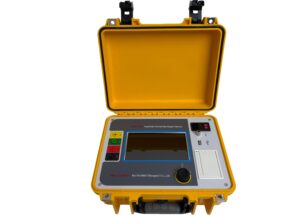
Click the image to know more about OLTC Analyzer.
The Hidden Risks of Poor Voltage Stability in Modern Grids
Voltage instability manifests in two primary forms: voltage sags (undervoltage) and voltage swells (overvoltage), both of which wreak havoc on grid assets and end-user operations. Persistent undervoltage forces motors, transformers, and sensitive electronic equipment to draw excessive current, leading to overheating, insulation breakdown, and premature failure. Overvoltage, meanwhile, damages circuit boards, compromises transformer winding integrity, and triggers protective relay malfunctions that can isolate entire grid segments.
Beyond equipment damage, weak voltage stability drives massive energy losses across transmission and distribution lines, inflates utility operational costs, and violates strict grid code standards enforced by regulatory bodies globally. For critical infrastructure like data centers, hospitals, and manufacturing plants, voltage fluctuations can halt production, compromise data security, and endanger lives—proving that voltage stability is far more than a technical metric; it is a lifeline for modern society.
Key Technologies Safeguarding Voltage Stability in Modern Grids
Maintaining robust voltage stability requires a combination of advanced grid hardware and proactive maintenance protocols. On-Load Tap Changers (OLTCs) installed on power transformers remain the most widely deployed solution, enabling real-time voltage adjustments without interrupting power flow. These devices fine-tune transformer winding ratios to counteract load and generation fluctuations, keeping voltage within tight, mandated tolerances.
Complementing this hardware is precision diagnostic testing: even the most advanced OLTC systems can lose calibration or develop mechanical faults over time, directly erodingvoltage stability. Routine, targeted testing ensures voltage regulation equipment operates at peak efficiency, closing the gap between grid volatility and consistent performance.
How Wrindu Testers Stand Out in Preserving Voltage Stability
Wrindu’s specialized testing instruments are engineered exclusively to address the unique challenges of maintaining voltage stability in modern, dynamic power grids. Unlike generic diagnostic tools that offer one-size-fits-all testing, Wrindu testers are optimized for voltage regulation equipment diagnostics, delivering unmatched accuracy and functionality to keep voltage stability intact. Here are the core differentiators that set Wrindu apart:
1. Voltage Stability-Focused Diagnostic Algorithms
Wrindu testers feature custom firmware designed to analyze the exact parameters that impact voltage stability, including OLTC transition timing, dynamic contact resistance, and transformer turns ratio consistency. These high-precision measurements detect minute faults that compromise voltage regulation, allowing technicians to resolve issues before they disrupt grid stability—something standard testers cannot reliably identify.
2. Real-Time Grid Condition Simulation
Unique to Wrindu, select tester models support simulated load and generation fluctuations, enabling technicians to validate how voltage regulation equipment performs under real-world grid stressors. This proactive testing ensures systems can maintain voltage stability during peak demand, renewable intermittency, and other high-volatility scenarios, eliminating unexpected failures in critical moments.
3. Seamless Smart Grid Integration
Wrindu testers offer wireless data connectivity and compatibility with SCADA and grid management platforms, aligning with the digital transformation of modern grids. Test data is synced in real time to central monitoring systems, enabling continuous tracking ofvoltage stability metrics and facilitating predictive maintenance. This connectivity eliminates manual data gaps and ensures 24/7 visibility into voltage regulation health.
4. Rugged Portability for Rapid Deployment
Designed for harsh substation environments and emergency response scenarios, Wrindu testers are lightweight, weatherproof (IP65-rated), and battery-powered. Teams can conduct on-site diagnostics quickly, even in remote grid locations, minimizing downtime and restoring voltage stability faster after minor disruptions.
5. Global Regulatory Compliance
All Wrindu testing equipment adheres to international IEC, ANSI, and IEEE standards for grid diagnostics, ensuring voltage stability testing meets global regulatory requirements. This compliance guarantees that voltage stability maintenance efforts align with regional grid codes, avoiding penalties and ensuring cross-border grid interoperability.
FAQs
Q1: What is the difference between voltage stability and power factor correction?
A:Voltage stability refers to maintaining consistent voltage levels within grid tolerances, while power factor correction improves energy efficiency by reducing reactive power. Both are critical for grid health, but voltage stability directly prevents outages and equipment damage, making it the higher priority for grid resilience.
Q2: How does renewable energy integration affect voltage stability in modern grids?
A: Solar and wind power generate intermittent, variable output, which causes rapid voltage fluctuations that disrupt voltage stability. Advanced OLTCs and Wrindu testing mitigate this by ensuring voltage regulation equipment adapts instantly to these fluctuations.
Q3: Can voltage stability issues trigger blackouts in urban power grids?
A: Yes. Severe voltage instability can cause cascading relay trips and transformer failures, leading to regional blackouts. Proactive maintenance with Wrindu testers prevents these catastrophic failures by preserving consistent voltage stability.
Q4: How do Wrindu testers help maintain voltage stability for microgrids?
A: Microgrids have limited generation capacity and high sensitivity to voltage shifts. Wrindu testers calibrate small-scale OLTCs and voltage regulators to maintain voltage stability in isolated or grid-tied microgrids, ensuring reliable power for remote communities and critical facilities.
Q5: What are the early warning signs of declining voltage stability?
A: Flickering lights, frequent equipment tripping, increased transformer noise, and rising energy losses are early red flags. Wrindu testers diagnose the root causes (e.g., OLTC wear) to restore voltage stability before full failures occur.
Q6: How often should voltage regulation equipment be tested to sustain voltage stability?
A: For grids with high renewable penetration or heavy industrial loads, testing every 12 months is recommended; standard grids require testing every 2–3 years to maintain optimal voltage stability and compliance.
Q7: Can Wrindu testers measure voltage stability in real time during grid operations?
A: Yes. Wrindu’s advanced testers support live, non-intrusive monitoring of voltage regulation performance, capturing real-time data on voltage stability without disrupting power delivery to end users.
Final Takeaway
In an era of unprecedented grid complexity, voltage stability is the cornerstone of reliable, safe, and efficient power delivery. Modern grids cannot operate effectively without strict voltage control, and proactive maintenance with Wrindu’s specialized testers ensures voltage regulation systems perform flawlessly under all conditions. By prioritizing voltage stability and investing in precision diagnostics, grid operators can build resilient, future-ready networks that meet the demands of today and tomorrow.
