

What Are Advantages of On-Load Tap Changers (OLTCs) and Why They’re Essential for Grids
Explore the unmatched advantages of On-Load Tap Changers (OLTCs) for modern power grids. Learn how OLTCs ensure uninterrupted power, dynamic grid compatibility, and support for renewable energy integration.
- Uninterrupted Power Supply (UPS) for Critical Infrastructure: The most significant benefit of OLTCs is zero power interruption during voltage adjustment. Unlike off-circuit tap changers (OCTCs) that require full transformer shutdown, OLTCs tune voltage while the transformer is in operation—eliminating costly outages for critical loads such as hospitals, data centers, and industrial facilities.
- Dynamic Compatibility with Modern Grid Demands: Modern power grids face constant load swings and the intermittent output of solar/wind renewable energy. OLTCs respond to voltage fluctuations in real time, with fine voltage adjustment steps (1.25%/1.5%) and a wide regulation range (typically ±10%), maintaining stable voltage levels even in highly dynamic grid conditions.
- Smart Grid Integration: OLTCs support automation, remote monitoring, and predictive operation, aligning perfectly with the demands of digitalized power systems. OLTC automation (via AVR/SCADA systems) eliminates manual tap adjustment and enables real-time voltage regulation based on grid load data.
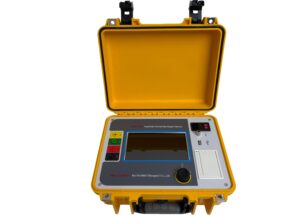
How Wrindu Testers Stand Out
FAQs
Q: How does OLTC automation (AVR/SCADA) improve grid efficiency for urban distribution?
A: OLTC automation eliminates manual tap adjustment and enables real-time voltage regulation based on grid load data. For urban distribution grids with high and variable load density (e.g., peak residential/business hours), automated OLTCs adjust voltage continuously to maintain optimal levels, reducing energy losses from line resistance and improving overall grid efficiency by 8–15%.
Q: What is the typical lifespan of an OLTC with proper maintenance and testing?
A: With proactive maintenance (including regular oil testing for oil-immersed OLTCs) and specialized diagnostic testing with tools like Wrindu’s DRM testers, an OLTC can operate reliably for 20+ years—matching the typical lifespan of the power transformer it is integrated with. Without proper testing, OLTC lifespan can be reduced by 50% or more due to unaddressed wear and damage.
