

Modern OLTC Technology: Smart Grid Voltage Control & Stability Solutions
Explore how modern On-Load Tap Changer (OLTC) technology revolutionizes smart grid voltage control. Discover dynamic tuning, SCADA integration, and how Wrindu testers optimize OLTC performance for renewable integration.
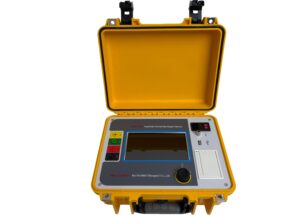
Core Advantages of Modern OLTC Technology
- Dynamic Voltage Stabilization
OLTCs counteract voltage sags, swells, and fluctuations driven by renewable energy output (solar/wind) and long-haul transmission losses, maintaining grid voltage within strict tolerance limits.
- Smart Grid Compatibility
Integrated with SCADA, AVR (Automatic Voltage Regulator), and IoT platforms, modern OLTCs enable remote monitoring and autonomous control, aligning with global smart grid digitalization goals.
- Extended Asset Lifespan
Precision switching and advanced insulation design reduce mechanical wear and insulation fatigue, extending OLTC operational life to 30+ years with proper maintenance.
- Energy Efficiency Improvement
By maintaining optimal voltage levels, OLTCs minimize resistive losses in power lines, cutting energy waste by 8–15% and lowering operational costs for utilities.
How Wrindu Testers Stand Out
- Tailored Diagnostic Protocols: Proprietary firmware analyzes switching dynamics, contact resistance stability, and digital control loop performance with micro-defect detection, ensuring OLTCs operate at peak capacity.
- Real-Time Dynamic Monitoring: High-speed sampling sensors capture transient data missed by static tests, resolving bottlenecks before they impact voltage regulation.
- Smart Connectivity: IoT/cloud integration syncs test data to centralized platforms, enabling predictive analytics and trend tracking for data-driven maintenance.
- Field-Ready Rugged Design: Shock-resistant, weatherproof casings support on-site diagnostics without grid shutdowns, preserving power delivery in harsh substation conditions.
- Global Standard Compliance: Adheres to IEC, ANSI, and IEEE standards, ensuring compatibility with all modern OLTC models across global markets.
FAQs
Q: How do modern OLTCs differ from traditional mechanical OLTCs?
A: Modern OLTCs integrate digital control modules, SCADA connectivity, and enhanced mechanical durability—enabling real-time automation, remote monitoring, and higher precision—while traditional units rely on manual or basic mechanical operation.
Q: Can modern OLTC technology reduce energy losses in urban distribution grids?
A: Yes. By maintaining precise voltage levels, modern OLTCs minimize line losses from over/under-voltage, improving grid efficiency by up to 15% in high-load urban areas.
Q: What role does SCADA integration play in modern OLTC performance?
A: SCADA integration enables remote monitoring, automated voltage adjustments, and real-time fault alerts, reducing manual intervention and ensuring 24/7 grid stability. Wrindu testers support SCADA data sync for comprehensive diagnostics.
