

What Is Transformer Oil Breakdown Voltage (BDV) and Why Is It Important?
Learn what transformer oil BDV is, why it matters, and how to test it. Discover factors affecting breakdown voltage and how Wrindu BDV testers ensure accurate results.
After understanding the boiling point and freezing point of oils, the next key parameter in oil performance is Breakdown Voltage (BDV). This test helps evaluate whether insulating oil can safely withstand electrical stress inside transformers and high-voltage equipment.
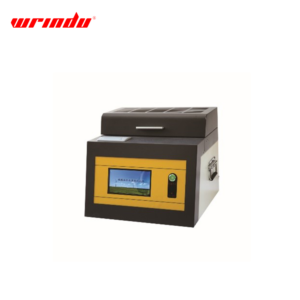
Click the image to know more about Wrindu BDV Tester.
What Is Breakdown Voltage (BDV)?
Breakdown Voltage (BDV) is the minimum voltage at which insulating oil fails and allows electricity to pass through.
In simple terms:
- High BDV = Good insulation quality ✅
- Low BDV = Poor insulation / contamination risk ❌
👉 This makes BDV one of the most important indicators of transformer oil health.
Why Does BDV Matter in Electrical Systems?
Transformer oil serves two main purposes:
- Insulation – Prevents electrical discharge between components
- Cooling – Dissipates heat generated during operation
If BDV is too low:
- Electrical breakdown may occur
- Equipment can suffer serious damage
- Unexpected outages and costly downtime may happen
👉 Regular BDV testing helps avoid these risks.
What Affects the BDV of Oil?
Several factors can reduce BDV:
- Moisture (water content) 💧
- Dust and particles
- Aging and oxidation
- High operating temperatures
👉 Even small contamination can significantly reduce insulation strength.
How Is BDV Tested?
The BDV test is performed using a BDV tester with standard electrodes:
Basic Testing Steps:
- Fill the test cell with an oil sample
- Apply voltage gradually
- Observe when electrical breakdown occurs
- Record the voltage value
👉 The test is usually repeated multiple times to get an average result.
What Is a Good BDV Value?
Typical acceptable BDV values:
- New transformer oil: ≥ 60 kV
- In-service oil: ≥ 30–50 kV (depending on standards)
👉 Lower values indicate the need for oil treatment or replacement.
How Wrindu BDV Testers Stand Out?
Wrindu BDV testers are designed for accurate and reliable oil testing:
- High Accuracy Voltage Control: Ensures precise breakdown detection
- Automatic Testing Process: Reduces human error
- Multiple Test Standards: Supports IEC, ASTM, and other standards
- Portable Design: Ideal for on-site transformer testing
👉 This helps engineers monitor oil condition and take action before failures occur.
How Often Should BDV Testing Be Done?
Recommended testing frequency:
- New equipment commissioning
- Routine maintenance (every 6–12 months)
- After oil filtration or replacement
- When abnormal conditions are suspected
FAQs About BDV Testing
Q1: Can BDV be improved?
A: Yes. Oil filtration and dehydration can remove moisture and particles, improving BDV.
Q2: Is BDV testing enough to judge oil quality?
A: No. It should be combined with other tests like moisture content and acidity.
Q3: What happens if BDV is too low?
A: The oil may fail under electrical stress, leading to insulation breakdown.
Q4: Does temperature affect BDV results?
A: Yes. Higher temperatures can slightly change BDV, so testing conditions should be controlled.
Q5: Is BDV testing required for all transformers?
A: Yes. It is a standard and essential test for all oil-filled transformers.
