

What Is Transformer Oil Dielectric Strength and Why Is It Important?
Learn how to test transformer oil dielectric strength (BDV), why it matters, and how Wrindu BDV testers ensure accurate insulation assessment for reliable transformer operation.
After learning about boiling point, freezing point, BDV, moisture content, Tan Delta, and acidity, another key parameter in transformer oil analysis is dielectric strength, also known as insulation strength.
This test helps determine how well transformer oil can withstand electrical stress without breaking down.
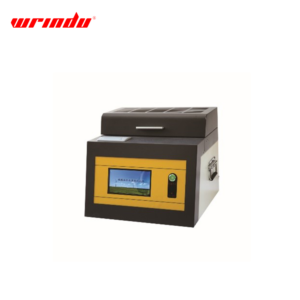
Click the image to know more about Wrindu BDV Tester.
What Is Dielectric Strength of Transformer Oil?
Dielectric strength refers to the maximum electric field the oil can withstand before electrical breakdown occurs.
In simple terms:
- High dielectric strength = strong insulation performance ✅
- Low dielectric strength = risk of electrical failure ❌
👉 It is usually measured in kV (kilovolts).
Why Is Dielectric Strength So Important?
Transformer oil acts as both:
- Insulating medium
- Cooling medium
If dielectric strength is low:
- Electrical arcing may occur ⚡
- Insulation system may fail
- Transformer breakdown risk increases
👉 That is why dielectric strength is one of the most critical oil parameters.
What Causes Low Dielectric Strength?
Several factors can reduce oil insulation performance:
- Moisture contamination 💧
- Dust and solid particles
- Aging and oxidation of oil
- Gas formation inside oil
👉 Even small impurities can significantly reduce insulation ability.
How Is Dielectric Strength Tested?
The test is performed using a dielectric breakdown voltage (BDV) tester.
Basic Testing Process:
- Fill the test cup with oil sample
- Apply gradually increasing voltage
- Observe the breakdown point
- Record the voltage value
👉 The test is usually repeated multiple times for accuracy.
What Is a Good Dielectric Strength Value?
Typical reference values:
- New transformer oil: ≥ 60 kV
- In-service oil: 30–50 kV (depending on condition)
👉 Lower values indicate contamination or aging and require treatment.
How Wrindu BDV Testers Help Improve Accuracy?
Wrindu BDV testers are designed for reliable oil insulation testing:
- High-precision voltage control
- Automatic breakdown detection
- Stable test performance
- Easy operation for field engineers
👉 This helps ensure consistent and accurate results in transformer maintenance.
How to Improve Dielectric Strength of Oil?
If oil performance is poor, it can be improved by:
- Vacuum oil filtration
- Dehydration and degassing
- Removing solid particles
- Oil regeneration processes
👉 Regular maintenance helps extend transformer life.
FAQs About Dielectric Strength
Q1: Is dielectric strength the same as BDV?
A: Yes. BDV (Breakdown Voltage) is the measured value of dielectric strength.
Q2: What affects dielectric strength the most?
A: Moisture and contamination are the main factors.
Q3: Can dielectric strength recover after treatment?
A: Yes. Oil filtration and drying can significantly improve it.
Q4: How often should dielectric strength be tested?
A: Typically every 6–12 months or during maintenance cycles.
Q5: Why is dielectric strength important for transformers?
A: It ensures safe insulation and prevents electrical breakdown.
