

How Do Pour Point and Cloud Point Affect Transformer Oil Performance
Learn the difference between pour point and cloud point of oil, their impact on transformer oil, diesel fuel, and lubricants, and how accurate testing improves reliability. Explore methods, applications, and Wrindu testing solutions.
In power systems, transformer oil plays a dual role: insulation and cooling. Both functions depend heavily on the oil’s ability to remain fluid under varying temperatures.
- A high pour point may prevent oil circulation in cold environments, reducing cooling efficiency
- A high cloud point can lead to wax formation, blocking narrow oil channels and radiators
👉 For substations operating in colder regions, selecting oil with low pour point and low cloud point is essential to ensure stable operation.
To better understand how oil behavior impacts insulation reliability, you can explore our in-depth guide on transformer oil testing and diagnostics.
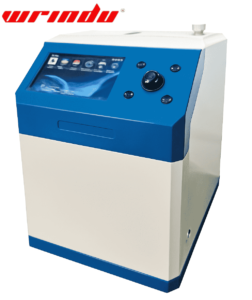
Click the image to know more about Wrindu Automatic Pour Point Freezing Point Tester.
How Are Pour Point and Cloud Point Tested in the Laboratory?
Accurate measurement of these parameters requires standardized testing procedures and reliable equipment.
Pour Point Testing Process:
- Heat the oil sample to eliminate thermal history
- Gradually cool under controlled conditions
- Check flow behavior at specific temperature intervals
- Record the lowest temperature at which movement is observed
Cloud Point Testing Process:
- Cool the oil sample steadily
- Observe the sample for the first sign of turbidity
- Record the temperature when wax crystals become visible
👉 These tests are critical for quality control, product development, and preventive maintenance.
For a deeper look at testing standards and procedures, read our detailed article on oil test methods and industry standards.
What Factors Influence Pour Point and Cloud Point?
Several factors determine how oil behaves at low temperatures:
1. Base Oil Composition
- Paraffinic oils tend to have higher cloud and pour points
- Naphthenic oils generally perform better in low temperatures
2. Additives
- Pour point depressants can significantly improve low-temperature flow
- Additives help modify wax crystal formation and structure
3. Contamination
- Water, particles, and oxidation products can worsen low-temperature properties
4. Aging and Oxidation
- Over time, oil degradation increases viscosity and affects flow characteristics
👉 Monitoring these factors is essential for maintaining oil performance and extending equipment life.
You may also find it useful to read about how to improve transformer oil quality and extend service life.
How to Choose the Right Oil for Low-Temperature Applications?
Selecting the right oil depends on the operating environment and application requirements.
Key Selection Criteria:
- Operating Temperature Range: Ensure pour point is well below minimum ambient temperature
- Application Type: Transformer, diesel engine, or hydraulic system
- Additive Performance: Check for effective pour point depressants
- Standards Compliance: Follow ASTM, IEC, or ISO specifications
👉 For critical infrastructure like substations, always include a safety margin between ambient temperature and oil pour point.
To optimize your selection process, refer to our guide on choosing the right transformer oil for industrial and power equipment.
Why Is Continuous Oil Monitoring Important?
One-time testing is not enough. Oil properties change over time due to:
- Thermal stress
- Oxidation
- Moisture ingress
- Contamination
Benefits of Continuous Monitoring:
- Detect early signs of oil degradation
- Prevent unexpected equipment failure
- Optimize maintenance schedules
- Reduce operational costs
👉 Combining pour point and cloud point testing with other diagnostics like BDV, moisture content, and acidity provides a complete picture of oil condition.
Learn more about this in our article on comprehensive transformer oil analysis and preventive maintenance.
How Wrindu Testers Support Advanced Oil Analysis?
Wrindu testing solutions are designed to integrate seamlessly into modern maintenance strategies.
- Enable fast and accurate low-temperature testing
- Support data-driven maintenance decisions
- Improve testing efficiency in both lab and field environments
👉 By using Wrindu testers, utilities and industrial users can build a proactive maintenance system instead of relying on reactive repairs.
