

How Do Low-Temperature Properties Impact Overall Oil Performance
Explore how pour point and cloud point impact oil performance, viscosity, and equipment reliability. Learn testing methods, risks of poor oil selection, and how Wrindu testers support accurate oil condition monitoring.
While pour point and cloud point focus on cold behavior, they are only part of a broader oil performance profile. In real-world applications, oil must maintain balanced properties across both low and high temperatures.
For example:
- Poor low-temperature flow can restrict circulation
- Excessive viscosity changes can reduce cooling efficiency
- Wax formation can accelerate system wear
👉 This is why low-temperature parameters should always be evaluated alongside other indicators such as viscosity, dielectric strength (BDV), and moisture content.
To gain a complete understanding, continue reading our guide on comprehensive oil condition monitoring and diagnostics.
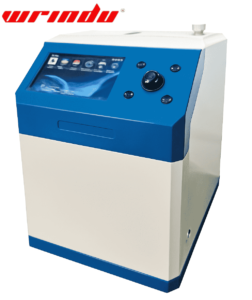
Click the image to know more about Wrindu Automatic Pour Point Freezing Point Tester.
How Do Pour Point and Cloud Point Relate to Oil Viscosity?
Viscosity plays a central role in how oil behaves as temperatures drop.
- As temperature decreases, viscosity increases
- Near the cloud point, wax crystals begin interfering with smooth flow
- Approaching the pour point, oil loses its ability to move entirely
Practical Insight:
Even before reaching the pour point, increased viscosity can already:
- Reduce lubrication efficiency
- Increase mechanical resistance
- Impact system startup performance
👉 That’s why engineers often evaluate viscosity-temperature curves together with pour point data.
You can explore this relationship further in our article on oil viscosity and temperature characteristics.
What Are the Risks of Ignoring Low-Temperature Oil Properties?
Failing to consider pour point and cloud point can lead to serious operational issues:
1. Equipment Startup Failure
Oil may not circulate during cold starts, especially in outdoor or winter conditions.
2. Blocked Filters and Pipelines
Wax crystal formation can clog:
- Fuel filters
- Narrow pipelines
- Cooling channels
3. Increased Maintenance Costs
Poor oil selection leads to:
- Frequent replacements
- Higher energy consumption
- Unexpected downtime
👉 These risks are particularly critical in substations, wind farms, and remote industrial sites.
For more insights, check our article on common causes of equipment failure related to oil condition.
How Can You Optimize Oil Selection for Harsh Environments?
Choosing the right oil requires a combination of data analysis and application knowledge.
Recommended Approach:
- Select oils with pour point at least 5–10°C below minimum ambient temperature
- Ensure cloud point is low enough to avoid wax formation in operating conditions
- Use oils with additive packages designed for cold environments
- Verify performance through laboratory testing before deployment
👉 For critical assets, always validate oil selection through field testing and historical performance data.
You may also benefit from our guide on how to select the right transformer oil for different climates.
How Does Regular Testing Improve Reliability?
Routine oil testing allows operators to move from reactive maintenance to a predictive maintenance strategy.
Key Benefits:
- Identify early-stage degradation
- Monitor seasonal performance changes
- Extend oil service life
- Improve system reliability
Combining pour point and cloud point testing with other diagnostics creates a more accurate picture of oil condition.
👉 This approach is widely used in modern asset management systems.
Learn more in our article on predictive maintenance using oil analysis.
How Wrindu Testers Fit Into a Complete Testing Strategy?
Wrindu solutions are designed not just for individual tests, but for integrated oil testing analysis workflows.
- Support consistent and repeatable measurements
- Enable fast decision-making in both lab and field environments
- Integrate with broader testing routines for comprehensive diagnostics
👉 By incorporating Wrindu testers into your workflow, you can build a data-driven maintenance system that improves efficiency and reduces risk.
