

How Does Oil Contamination Affect Low-Temperature Performance
Learn how oil contamination affects low-temperature performance and equipment reliability. Discover causes of oil degradation, water impact, filtration importance, and how Wrindu testing solutions support long-term oil condition monitoring.
Oil performance is not only influenced by temperature, but also by the level of contamination inside the system. Even small amounts of impurities can significantly change how oil behaves in cold conditions.
- Water and particles can accelerate wax formation
- Oxidation products increase sludge and flow resistance
- Contaminants reduce overall fluid stability
👉 This means clean oil always performs better in both high and low temperature environments.
To better understand this, you can explore our guide on industrial oil contamination sources and control methods.
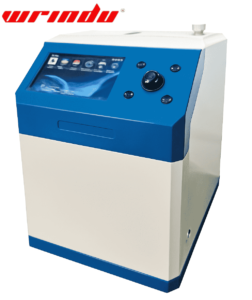
Click the image to know more about Wrindu Automatic Pour Point Freezing Point Tester.
What Are the Main Causes of Oil Performance Degradation?
Oil does not fail suddenly—it gradually loses performance due to multiple external and internal factors.
Common causes include:
- Continuous high-temperature operation
- Exposure to oxygen and moisture
- Mechanical wear particles entering the system
- Chemical breakdown of additives
Resulting effects:
- Increased viscosity instability
- Reduced lubrication efficiency
- Poor low-temperature flow behavior
👉 Over time, these changes directly impact equipment reliability and energy efficiency.
You can continue reading about oil degradation mechanisms in industrial systems.
How Does Water Content Impact Oil Stability?
Water contamination is one of the most harmful factors for oil systems.
Effects of water in oil:
- Accelerates oxidation reactions
- Reduces insulation performance in transformers
- Promotes sludge and emulsion formation
- Weakens lubricant film strength
👉 In cold environments, water can also freeze and worsen flow blockage issues.
Learn more in our article on moisture control in transformer and lubricating oils.
Why Is Oil Filtration Important for System Reliability?
Filtration plays a key role in maintaining oil quality over time.
Benefits of proper filtration:
- Removes solid particles and sludge
- Improves flow stability at low temperatures
- Extends oil service life
- Reduces wear on mechanical components
👉 Clean oil ensures more stable performance across all operating conditions.
You can explore further in our guide on oil filtration systems and maintenance practices.
How Do Environmental Conditions Influence Oil Behavior?
External conditions have a strong impact on oil performance, especially in field applications.
Key environmental factors:
- Ambient temperature fluctuations
- Humidity and moisture exposure
- Dust and airborne contaminants
- Long-term storage conditions
Impact on equipment:
- Unstable lubrication performance
- Increased risk of startup failure
- Faster oil aging process
👉 That’s why site conditions must always be considered during oil selection.
For more insights, read about environmental effects on industrial lubrication systems.
How Wrindu Supports Long-Term Oil Condition Monitoring?
Wrindu testing solutions are designed to help users track oil condition over its entire lifecycle.
- Enables consistent monitoring of oil quality trends
- Helps detect early-stage contamination and degradation
- Supports maintenance decisions based on real data
👉 This approach helps prevent unexpected failures and improves system reliability.
Continue Exploring: Expand Your Oil Diagnostics Knowledge
To build a complete understanding of oil system performance, explore these related topics:
- How to Identify Early Signs of Oil Failure in Equipment
- Guide to Transformer Oil Maintenance and Replacement Cycles
- Understanding Dielectric Strength and Its Role in Insulation Safety
- Best Practices for Industrial Oil Storage and Handling
👉 These resources help connect contamination control with overall equipment performance and reliability strategy.
