

Transformer Oil Aging and Degradation Mechanisms
Learn how transformer oil degrades due to oxidation, sludge formation, and contamination. Discover early warning signs and maintenance strategies to extend oil life.
Transformer oil is a vital component in power systems, providing both electrical insulation and heat dissipation. However, over time, the oil undergoes aging and degradation, which can significantly impact transformer performance, reliability, and lifespan.
Understanding how transformer oil degrades—and how to detect and control it—is essential for engineers and maintenance teams aiming to prevent failures and optimize asset management.
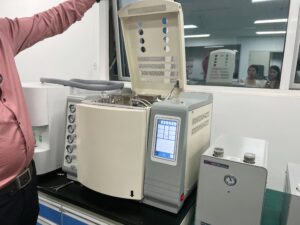
Click the image to know more about Transformer oil gas chromatography analyzer.
What Causes Transformer Oil Aging?
Transformer oil degradation is a gradual process driven by multiple factors:
1. Thermal Stress
High operating temperatures accelerate chemical reactions in the oil, leading to breakdown of molecular structure.
2. Oxidation
Exposure to oxygen causes oil to react and form acids, sludge, and other byproducts.
3. Moisture Ingress
Water contamination reduces dielectric strength and promotes further degradation.
4. Contamination
Particles, metals, and external impurities can trigger chemical instability and reduce oil quality.
👉 These factors often act together, making degradation a complex and cumulative process.
Key Degradation Mechanisms
Oxidation Process in Transformer Oil
Oxidation is one of the primary causes of oil aging.
How It Happens:
- Oil reacts with oxygen under heat
- Acids and sludge are formed
- Chemical stability decreases
Impact:
- Increased acidity (TAN)
- Reduced insulation performance
- Formation of harmful deposits
👉 Oxidation is irreversible and must be carefully monitored and controlled.
Sludge Formation and Its Impact
As oxidation progresses, sludge begins to form.
What Is Sludge?
- Semi-solid byproducts from oil degradation
- Deposits that accumulate on windings and cooling surfaces
Consequences:
- Blocked oil flow
- Reduced heat transfer efficiency
- Increased risk of overheating
👉 Sludge directly affects both cooling and insulation, making it a critical issue.
Effect of Contaminants on Oil Performance
Contaminants accelerate oil degradation and reduce performance.
Common Contaminants:
- Moisture
- Dust and particles
- Metal debris
- Dissolved gases
Effects:
- Lower dielectric strength
- Increased oxidation rate
- Higher risk of electrical faults
👉 Even small contamination levels can lead to significant long-term damage.
Early Warning Signs of Oil Degradation
Detecting oil degradation early is key to preventing failures.
Common Indicators:
- Darkening of oil color
- Increase in acidity (TAN)
- انخفاض interfacial tension (IFT)
- Presence of sludge or turbidity
- Rising moisture content
- Decrease in dielectric strength
👉 These warning signs should trigger immediate testing and analysis.
How to Extend Transformer Oil Life
Proper maintenance can significantly slow down oil aging.
Best Practices:
✔ Regular Oil Testing
Monitor parameters such as:
- Moisture
- Acidity
- Dielectric strength
- Dissolved gases
✔ Oil Filtration and Purification
- Remove moisture and particles
- Restore oil quality
✔ Minimize Oxygen Exposure
- Use sealed transformer designs
- Maintain proper sealing systems
✔ Temperature Control
- Avoid overheating
- Ensure efficient cooling systems
✔ Use Quality Additives
- Antioxidants can delay oxidation
👉 Proactive maintenance helps extend both oil life and transformer lifespan.
The Importance of Trend Analysis
One-time test results are not enough.
Why Trend Monitoring Matters:
- Identifies gradual degradation patterns
- Enables predictive maintenance
- Prevents sudden failures
👉 Tracking data over time provides deeper insights than isolated measurements.
Building a Maintenance-Focused Strategy
For engineers and utilities, the goal is to shift from reactive to proactive maintenance.
A Strong Strategy Includes:
- Routine oil analysis
- Early fault detection
- Data-driven decision-making
- Integration with overall asset management
👉 This approach reduces downtime, lowers costs, and improves system reliability.
Conclusion
Transformer oil degradation and aging are inevitable, but their impact can be controlled through proper understanding and maintenance.
By focusing on:
- Oxidation control
- Contamination prevention
- Regular testing
- Trend analysis
👉 Operators can ensure long-term transformer performance, safety, and efficiency.
