

How to Improve BDV of Transformer Oil
Learn how to improve the BDV of transformer oil with practical methods like filtration, dehydration, and degassing. Discover causes of low BDV and how Wrindu BDV testers ensure accurate testing and reliable transformer performance.
The Breakdown Voltage (BDV) of transformer oil is one of the most important indicators of its insulating strength. A higher BDV means the oil can withstand greater electrical stress without failure, ensuring safe and reliable transformer operation.
Over time, however, BDV can decline due to contamination, aging, and environmental factors. The good news is that with the right maintenance strategies, BDV can be effectively improved and maintained.
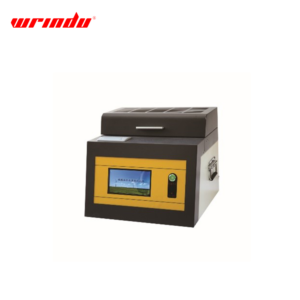
Click the image to know more about Wrindu BDV Tester.
What Is BDV and Why Does It Matter?
BDV refers to the voltage at which transformer oil fails electrically and allows current to pass through (i.e., dielectric breakdown occurs).
A low BDV can lead to:
- Insulation failure
- Internal arcing
- Transformer damage or outages
Maintaining a high BDV is essential for ensuring long-term system reliability and safety.
What Causes Low BDV in Transformer Oil?
Before improving BDV, it’s important to understand what reduces it in the first place.
Common causes include:
1. Moisture Contamination
Water significantly reduces dielectric strength, even in small amounts.
2. Solid Particles
Dust, fibers, and metal particles create weak points in the oil.
3. Oxidation and Aging
Over time, oil degrades and forms acids and sludge that affect performance.
4. Dissolved Gases
Gases generated by internal faults can reduce insulation strength.
5. Poor Handling and Storage
Exposure to air and humidity during maintenance can introduce contaminants.
How to Improve BDV of Transformer Oil?
Improving BDV requires a combination of proper treatment, handling, and monitoring.
1. Oil Filtration
Removing solid particles through fine filtration helps restore dielectric strength.
2. Vacuum Dehydration
This process removes moisture and dissolved gases, significantly improving BDV.
3. Degassing Treatment
Eliminates harmful gases that can trigger breakdown under electrical stress.
4. Oil Replacement or Reconditioning
In severely degraded oil, partial or full replacement may be necessary.
5. Proper Storage and Handling
Using sealed containers and avoiding exposure to moisture helps maintain oil quality.
How Often Should BDV Be Tested?
Routine testing is critical for early detection of problems.
- New transformers: Before commissioning
- In-service transformers: Every 6–12 months
- Critical equipment: More frequent monitoring recommended
Regular BDV testing allows operators to take timely corrective actions.
How Wrindu Testers Stand Out
Reliable BDV measurement is key to effective oil maintenance. Wrindu BDV Testers are designed to provide accurate, repeatable, and standards-compliant results.
Key advantages include:
- High Accuracy Measurement
Ensures precise detection of dielectric breakdown voltage. - Fully Automated Testing
Reduces operator influence and improves consistency. - Multiple Test Standards Support
Compatible with IEC, ASTM, and other international standards. - User-Friendly Interface
Simplifies operation for both lab and field use. - Robust and Portable Design
Ideal for on-site testing in substations and industrial facilities.
Wrindu testers help engineers make confident decisions and maintain optimal oil performance.
FAQs: Improving BDV of Transformer Oil
Q1: What is a good BDV value for transformer oil?
A: Typically, a BDV above 30 kV is considered acceptable for in-service oil, but requirements may vary depending on standards and equipment.
Q2: Can BDV be restored once it drops?
A: Yes. Filtration, dehydration, and degassing can significantly improve BDV if the oil is not severely degraded.
Q3: How quickly can moisture affect BDV?
A: Very quickly. Even small amounts of moisture can drastically reduce dielectric strength.
Q4: Is high BDV alone enough to confirm good oil quality?
A: No. BDV should be evaluated along with other parameters such as moisture content, acidity, and dissolved gas analysis.
Q5: What is the most effective way to improve BDV?
A: Vacuum dehydration combined with filtration is one of the most effective methods.
Q6: Can contaminated oil damage the transformer immediately?
A: Not always immediately, but it significantly increases the risk of insulation failure over time.
Final Thoughts
Improving the BDV of transformer oil is essential for maintaining insulation performance and preventing electrical failures. Through proper treatment, regular testing, and the use of reliable equipment like Wrindu BDV testers, operators can extend transformer life and ensure stable system operation.
