

What Are Factors Affecting Dielectric Strength of Insulating Materials
Explore the key factors affecting dielectric strength, including moisture, temperature, contamination, and aging. Learn how Wrindu testers help ensure accurate insulation diagnostics and reliable high-voltage performance.
Dielectric strength is one of the most critical properties in electrical insulation systems. It determines how well an insulating material can withstand high voltage without breaking down. In transformers, cables, and other high-voltage equipment, even small changes in dielectric strength can significantly impact safety and performance.
Understanding the factors that influence dielectric strength helps engineers improve equipment reliability and prevent unexpected failures.
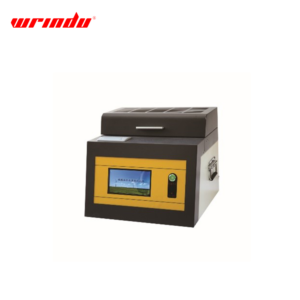
Click the image to know more about Wrindu BDV Tester.
What Is Dielectric Strength?
Dielectric strength refers to the maximum electric field that an insulating material can withstand before it becomes electrically conductive. It is usually measured in kV/mm.
When the applied voltage exceeds this limit, insulation breakdown occurs, leading to short circuits or equipment failure.
What Factors Affect Dielectric Strength?
1. Moisture Content
Water is one of the most harmful contaminants in insulating materials and transformer oil.
Even a small amount of moisture can:
- Reduce insulation resistance
- Create conductive paths
- Accelerate aging of insulation
Dry insulation always shows higher dielectric strength.
2. Temperature Influence
Temperature has a direct effect on dielectric performance.
As temperature increases:
- Molecular movement becomes more active
- Insulation resistance decreases
- Breakdown risk increases
That is why thermal management is essential in high-voltage systems.
3. Contamination and Impurities
Solid particles, dust, carbon deposits, and chemical contaminants significantly reduce dielectric strength.
These impurities:
- Act as local electric field enhancers
- Trigger partial discharge
- Accelerate insulation degradation
Regular filtration and maintenance are essential to control contamination.
4. Aging of Insulation Materials
Over time, insulating materials naturally degrade due to oxidation, thermal stress, and electrical stress.
Aging leads to:
- Reduced molecular stability
- Increased conductivity
- Lower breakdown voltage
This is especially important in long-service transformers.
5. Electric Field Distribution
Non-uniform electric fields can create localized stress points.
Sharp edges, defects, or design flaws may:
- Concentrate electric stress
- Trigger premature breakdown
- Reduce overall dielectric performance
Proper design optimization helps improve field uniformity.
6. Material Type and Composition
Different insulating materials have different dielectric properties.
For example:
- Mineral oil, ester oil, and synthetic oils behave differently
- Solid insulation materials vary in breakdown resistance
Material selection is key for system reliability.
7. Pressure and Environmental Conditions
External conditions such as air pressure and humidity also influence dielectric strength.
Lower pressure (high altitude) or high humidity environments can reduce insulation performance.
How Wrindu Testers Stand Out
Wrindu dielectric testing equipment is designed to deliver high-precision and stable performance for modern power system diagnostics.
Key advantages include:
1. High Accuracy Measurement
Wrindu testers provide stable and repeatable dielectric breakdown results, reducing measurement uncertainty in field conditions.
2. Strong Anti-Interference Design
In real substation environments, electrical noise is unavoidable. Wrindu systems are engineered to minimize interference and ensure reliable readings.
3. Intelligent Test Control
Automated testing processes help reduce human error and improve efficiency, especially in batch testing scenarios.
4. Safety-First Design
Built-in protection mechanisms ensure operator safety during high-voltage testing operations.
5. Field-Ready Durability
Wrindu testers are designed for harsh environments, making them suitable for both laboratory and on-site transformer oil testing.
FAQs: Factors Affecting Dielectric Strength
Why does moisture reduce dielectric strength so quickly?
Moisture creates conductive pathways inside insulation, allowing partial current flow and lowering breakdown voltage.
How often should dielectric strength testing be performed?
It depends on system criticality, but typically transformer oil should be tested every 6–12 months.
Can filtration restore dielectric strength?
Yes, removing particles and moisture through filtration can significantly improve dielectric strength, but it cannot fully reverse aging effects.
What is the most common cause of low dielectric strength in transformers?
Moisture contamination and aging oil are the most common causes in real-world transformer systems.
How do temperature changes affect test results?
Higher temperatures usually lower dielectric strength, so testing conditions must be controlled for accuracy.
What is the ideal dielectric strength for transformer oil?
It depends on standards, but most healthy transformer oils typically exceed 30–60 kV depending on application requirements.
Conclusion
Dielectric strength is influenced by multiple interacting factors including moisture, temperature, contamination, material type, and aging. Regular testing and monitoring are essential to ensure long-term insulation reliability.
With advanced diagnostic tools like those from Wrindu, engineers can detect early insulation issues and maintain safer, more stable power systems.
