

Relationship Between BDV and Moisture Content in Transformer Insulation
Understand how moisture content affects BDV in transformer oil. Learn why water contamination reduces insulation strength and how Wrindu testers help ensure accurate and reliable high-voltage diagnostics.
Relationship Between BDV and Moisture Content in Transformer Insulation
Breakdown Voltage (BDV) is one of the most important indicators of insulating oil quality in high-voltage equipment. Among all influencing factors, moisture content is the most critical and sensitive parameter.
Even a small increase in water content can sharply reduce BDV, increasing the risk of insulation failure in transformers, switchgear, and other power equipment.
Understanding the relationship between BDV and moisture helps engineers make better maintenance decisions and avoid unexpected breakdowns.
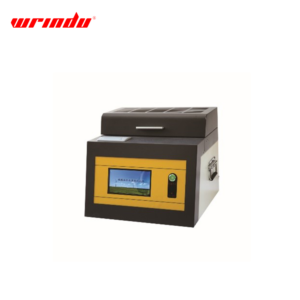
Click the image to know more about Wrindu BDV Tester.
What Is BDV (Breakdown Voltage)?
Breakdown Voltage (BDV) refers to the maximum voltage that insulating oil can withstand before electrical breakdown occurs.
It reflects:
- Insulation strength of transformer oil
- Level of contamination
- Overall condition of insulation system
Higher BDV = better insulation performance
Lower BDV = higher risk of failure
How Does Moisture Affect BDV?
Moisture has a direct and dramatic impact on dielectric performance.
1. Formation of Conductive Paths
Water molecules reduce the insulating capability of oil by forming microscopic conductive channels.
This leads to:
- Easier electron movement
- Reduced insulation resistance
- Early breakdown under voltage stress
2. Acceleration of Partial Discharge
Moisture increases the likelihood of partial discharge inside the insulation system.
Partial discharge:
- Weakens insulation gradually
- Produces localized heating
- Speeds up aging of transformer oil
3. Bubble Formation at High Temperature
At elevated operating temperatures, moisture can vaporize and form bubbles.
These bubbles:
- Have much lower dielectric strength than oil
- Act as weak points for electrical breakdown
- Cause sudden BDV collapse
4. Chemical Degradation of Oil
Water accelerates oxidation and acid formation in transformer oil.
This leads to:
- Sludge formation
- Increased conductivity
- Long-term reduction in BDV
Relationship Between Moisture Content and BDV
The relationship is non-linear and highly sensitive.
Even a small moisture increase can cause a significant drop in BDV:
- Dry oil → High and stable BDV
- Slight moisture contamination → Rapid BDV decline
- High moisture content → Severe insulation failure risk
In practice, moisture is one of the fastest ways to degrade transformer insulation performance.
How to Control Moisture to Maintain High BDV
To maintain stable dielectric performance, engineers should:
- Regularly test moisture content in transformer oil
- Use vacuum dehydration systems
- Apply proper sealing to prevent moisture ingress
- Monitor BDV trends over time, not just single readings
- Ensure proper storage conditions for insulating oil
How Wrindu Testers Stand Out
Wrindu provides advanced insulation testing solutions designed for accurate BDV and moisture-related diagnostics in real-world power systems.
1. High-Precision BDV Measurement
Wrindu testers deliver stable and repeatable breakdown voltage results, even under fluctuating field conditions.
2. Integrated Moisture Analysis Compatibility
Wrindu systems are designed to work alongside moisture testing workflows, helping engineers correlate BDV decline with water contamination levels.
3. Strong Anti-Interference Performance
Field environments often include electrical noise. Wrindu equipment ensures clean and reliable test data.
4. Intelligent Testing Process
Automated test control reduces human error and improves consistency across multiple samples.
5. Built for Field Applications
Wrindu testers are rugged and reliable, suitable for both laboratory and on-site transformer diagnostics.
FAQs: Relationship Between BDV and Moisture Content
Why does moisture reduce BDV so quickly in transformer oil?
Because water creates conductive paths and weakens the dielectric structure of insulating oil, making breakdown easier under voltage stress.
What is the safe moisture level for high BDV performance?
Generally, lower moisture content (below a few tens of ppm depending on system standards) is required to maintain stable BDV, but exact limits depend on voltage class and application.
Can BDV recover after removing moisture?
Yes. Dehydration processes such as vacuum drying can significantly improve BDV if oil aging is not severe.
Is BDV testing enough to detect moisture problems?
No. BDV provides a general indication, but moisture analysis is needed for precise diagnosis.
How often should BDV and moisture be tested together?
For critical transformers, testing every 6–12 months is recommended, or more frequently in harsh operating environments.
What happens if high moisture is ignored in transformer oil?
It can lead to rapid insulation degradation, reduced BDV, partial discharge, and ultimately transformer failure.
Conclusion
The relationship between BDV and moisture content is direct, sensitive, and critical for transformer health. Even small amounts of water can significantly reduce insulation strength and increase failure risk.
By using advanced diagnostic tools from Wrindu, engineers can accurately monitor BDV trends, detect moisture-related issues early, and ensure long-term system reliability.
