

How to Perform a Load Test on a DC Generator
Learn how to perform a load test on a DC generator with step-by-step instructions, required equipment, efficiency calculation, and common issues. Discover how Wrindu testers enhance accuracy and testing reliability.
A load test is one of the most practical ways to evaluate the real performance of a DC generator. It helps verify whether the generator can deliver rated voltage, current, and efficiency under actual working conditions. This guide explains the process in a simple, structured way.
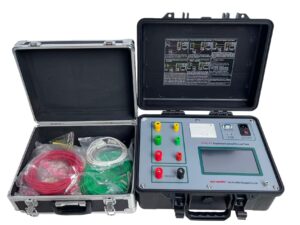
Click the image to know more about Wrindu No-load and load loss Tester.
What Is a Load Test and Why Is It Important?
A load test involves running the generator while supplying power to a controlled load. By gradually increasing the load, you can observe how the generator behaves.
It helps you:
- Verify rated output capacity
- Check voltage regulation performance
- Evaluate efficiency under load
- Detect faults like overheating or unstable voltage
What Equipment Is Required for a Load Test?
To perform a proper load test, you need:
- Variable load bank (resistive or combined load)
- DC voltmeter
- DC ammeter
- Tachometer (to measure speed)
- Temperature monitoring device
- Connection cables with proper ratings
Using calibrated instruments ensures accurate and reliable results.
How Do You Prepare the Generator for Testing?
Before starting the test:
- Ensure the generator is properly installed and aligned
- Check all electrical connections
- Verify brush and commutator condition
- Run the generator at no-load condition
- Confirm rated speed is stable
Proper preparation reduces risk and improves test accuracy.
How Is the Load Test Performed Step by Step?
Step 1: Start at No Load
Run the generator without any load and record:
- Terminal voltage
- Speed
Step 2: Apply Load Gradually
Increase the load in steps (e.g., 25%, 50%, 75%, 100% of rated load).
At each step, record:
- Voltage
- Current
- Speed
- Temperature
Step 3: Observe Voltage Regulation
Check how much the terminal voltage drops as load increases. Stable generators should maintain voltage within acceptable limits.
Step 4: Monitor Temperature Rise
Ensure that temperature remains within safe operating limits during the test.
Step 5: Record Full-Load Performance
At 100% load, record all parameters carefully. This is critical for evaluating generator capability.
Step 6: Reduce Load Gradually
After testing, decrease the load step by step and bring the generator back to no-load condition before shutdown.
How Do You Calculate Efficiency During the Test?
Efficiency is calculated by comparing output power to input power:
[
\text{Efficiency} = \frac{\text{Output Power}}{\text{Input Power}} \times 100%
]
- Output Power = Voltage × Current
- Input Power = Mechanical input (from prime mover)
What Are Common Problems Detected During Load Testing?
During the test, you may notice:
- Excessive voltage drop → Poor excitation or winding issues
- Overheating → Insulation or cooling problems
- Sparking at brushes → Commutation issues
- Unstable speed → Mechanical or drive system faults
How Wrindu Testers Stand Out
Wrindu testing solutions provide reliable support for generator load testing:
- High-precision measurement of voltage and current
- Real-time data recording for performance analysis
- Integrated monitoring features for safer testing
- User-friendly interface for fast setup and operation
- Durable design suitable for industrial and field environments
These features help engineers perform accurate load tests with confidence.
What Are Best Practices for Accurate Load Testing?
To improve testing results:
- Increase load gradually and steadily
- Avoid sudden load changes
- Ensure stable speed throughout the test
- Use calibrated instruments
- Keep detailed records for comparison
FAQs (Q&A Format)
Q1: What is the purpose of a DC generator load test?
A: It verifies the generator’s ability to deliver rated performance under real operating conditions.
Q2: Can I perform a load test without a load bank?
A: It is not recommended. A load bank provides controlled and safe loading conditions.
Q3: How long should a load test last?
A: Typically 1–2 hours at different load levels, depending on standards and generator size.
Q4: What is acceptable voltage drop during load testing?
A: It depends on design, but excessive drop indicates poor voltage regulation.
Q5: Is temperature monitoring necessary?
A: Yes, overheating is a key indicator of internal problems.
Q6: What should I do if the generator fails the test?
A: Inspect excitation system, windings, brushes, and mechanical drive components before retesting.
Conclusion
A DC generator load test is essential for evaluating real-world performance and reliability. By following a structured testing process, monitoring key parameters, and using reliable tools like Wrindu testers, you can ensure accurate results and maintain optimal generator operation.
