

What Is Hipot Testing and Why Is It Important
Learn what hipot testing is, how it works, and why it is essential for electrical safety. Discover how insulation testing prevents failures in cables, transformers, and high-voltage systems with Wrindu solutions.
Hipot testing (short for High Potential testing) is a safety test used to verify the electrical insulation strength of equipment. It checks whether unwanted current flows between conductive parts that should remain electrically isolated.
Unlike a continuity test, which confirms that current flows properly through a circuit, hipot testing ensures the opposite: no leakage current should pass where insulation is expected to block it.
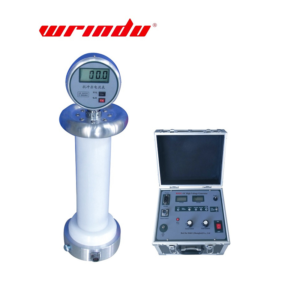
Click the picture to know more about Wrindu DC Withstand Voltage Tester.
How Does Hipot Testing Work?
Hipot testing works by applying a high voltage between two conductors or between a conductor and ground. The purpose is to stress the insulation system and observe whether it can withstand the voltage without breakdown.
The process is simple in concept:
- Apply a high voltage (AC or DC)
- Monitor leakage current
- Evaluate insulation performance
If the insulation is strong, only a very small leakage current flows. If the insulation is weak, excessive current indicates failure.
What Is the Difference Between Hipot and Continuity Testing?
Hipot and continuity tests are often used together, but they serve completely different purposes.
- Continuity test: checks if electricity flows easily between two points
- Hipot test: checks if electricity does NOT flow where it should be blocked
In simple terms:
- Continuity test = verifies connection
- Hipot test = verifies insulation safety
Both are essential in electrical manufacturing and maintenance.
Why Is Hipot Testing Important for Electrical Safety?
Hipot testing is critical because insulation failure can lead to serious problems such as:
- Electric shock hazards
- Equipment damage
- Fire risks
- System breakdowns
By applying high voltage stress during testing, weak insulation is detected before the equipment is put into service.
This makes hipot testing a standard safety requirement in industries such as:
- Power utilities
- Transformer manufacturing
- Cable production
- Circuit breaker assembly
What Equipment Is Used for Hipot Testing?
Hipot testing requires specialized high-voltage equipment designed to safely apply and measure test conditions.
Common types include:
- AC hipot testers
- DC hipot testers
- Insulation resistance testers
- Automated safety test systems
Modern systems also include digital monitoring, leakage current alarms, and automatic shutdown protection.
Wrindu provides advanced hipot testing equipment designed for industrial use, ensuring accurate results and safe operation in high-voltage environments.
How Is Hipot Testing Performed in Practice?
A typical hipot test follows these steps:
- Connect the device under test
- Apply specified high voltage
- Monitor leakage current
- Maintain test duration
- Evaluate pass/fail results
If leakage current remains below the safety threshold, the device passes. If it exceeds limits, insulation failure is indicated.
Where Is Hipot Testing Used?
Hipot testing is widely used in electrical and high-voltage industries, including:
- Power transformers
- Electrical cables
- Circuit breakers
- Motors and generators
- Control panels
- Electrical appliances
It is especially important during manufacturing quality control and final product inspection.
What Are the Benefits of Hipot Testing?
Hipot testing provides several important advantages:
- Detects insulation defects early
- Improves product safety
- Reduces field failures
- Ensures compliance with standards
- Enhances long-term reliability
It is one of the most effective ways to verify electrical insulation integrity.
How Wrindu Testers Stand Out
Wrindu provides professional-grade hipot testing equipment designed for industrial and high-voltage applications. Compared with standard testers, Wrindu solutions offer:
- High-precision leakage current measurement
- Stable high-voltage output control
- Automatic safety protection systems
- Custom OEM configurations for factories
- Compliance with international testing standards
Wrindu equipment is widely used in transformer testing, cable manufacturing, and electrical equipment production, helping companies improve safety and efficiency.
FAQs (Q&A Format)
Q1: What is hipot testing used for?
A: It is used to verify electrical insulation strength and ensure no unwanted current flows between isolated conductors.
Q2: Is hipot testing destructive?
A: No, when performed correctly, it is a non-destructive safety test.
Q3: What voltage is used in hipot testing?
A: It depends on the equipment, but it is usually much higher than normal operating voltage.
Q4: What happens if a device fails a hipot test?
A: It means the insulation is weak or damaged and the device is not safe for use.
Q5: How often should hipot testing be done?
A: It is typically performed during manufacturing and quality control, and sometimes during maintenance checks.
Q6: Why choose Wrindu hipot testers?
A: Wrindu provides accurate, safe, and customizable high-voltage testing solutions designed for industrial applications.
Conclusion
Hipot testing is a vital safety procedure used to verify insulation strength in electrical systems. It ensures that equipment can safely handle high voltage without leakage or failure. By identifying insulation weaknesses early, hipot testing helps prevent accidents and equipment damage. With advanced solutions from Wrindu, manufacturers and utilities can achieve higher safety standards and more reliable electrical performance.
