

Thermal Expansion Protection in Electrical Testing Devices
Learn how thermal expansion affects electrical testing devices and how self-healing polymers, smart sealing materials, and nanocomposite coatings improve waterproof protection, insulation reliability, and equipment durability in harsh environments.
Electrical testing devices often operate in environments with large temperature changes. Heat and cold can cause materials to expand and shrink repeatedly. Over time, this may damage seals, insulation, and enclosure structures.
To solve this problem, modern electrical equipment uses self-healing polymers, smart sealing materials, and nanocomposite coatings for thermal expansion protection.
This article explains how thermal expansion affects electrical testing devices and how advanced sealing technologies improve reliability.
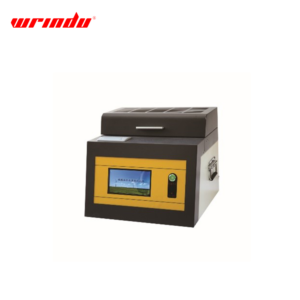
Click the image to know more about Wrindu BDV Tester.
What Is Thermal Expansion?
Thermal expansion happens when materials increase in size because of heat.
When temperature drops, materials contract again.
In electrical equipment, repeated expansion and contraction may cause:
- Seal cracking
- Loose connections
- Insulation stress
- Water ingress
- Electrical leakage
Outdoor and high-voltage equipment are especially affected by temperature changes.
Why Is Thermal Expansion Dangerous for Electrical Testing Devices?
Electrical testing devices contain sensitive insulation systems and sealed enclosures.
If thermal expansion is not controlled, it may lead to:
- Moisture entering the enclosure
- Surface tracking
- Corrosion
- Seal failure
- Reduced dielectric strength
- Measurement instability
Over time, these problems can shorten equipment lifespan.
How Do Smart Sealing Materials Help?
Smart sealing materials are designed to remain flexible during temperature changes.
They can:
- Absorb expansion stress
- Maintain sealing pressure
- Prevent cracking
- Reduce material fatigue
- Improve waterproof performance
Compared with traditional rubber seals, smart sealing materials usually provide better long-term stability.
What Role Do Self-Healing Polymers Play?
Self-healing polymer technology helps repair small cracks caused by thermal stress.
When tiny damage appears, the material can restore itself through:
- Heat-triggered reactions
- Chemical bonding
- Microcapsule activation
This helps prevent small cracks from becoming major seal failures.
In electrical testing devices, self-healing polymers improve:
- Insulation protection
- Moisture resistance
- Mechanical durability
- Equipment reliability
How Do Nanocomposite Coatings Improve Thermal Protection?
Nanocomposite coatings improve the thermal stability of electrical components and enclosures.
These coatings help by:
- Reducing heat damage
- Improving surface strength
- Increasing UV resistance
- Protecting against corrosion
- Lowering moisture penetration
Nanocomposite coatings are widely used in:
- HV enclosures
- Cable accessories
- Transformer insulation systems
- Outdoor testing equipment
They improve performance in harsh temperature environments.
Which Equipment Faces Thermal Expansion Problems?
Many electrical systems experience temperature-related stress.
Common examples include:
- HV testing devices
- Outdoor substations
- Transformer testing equipment
- Battery testing systems
- Cable fault locators
- Renewable energy systems
Equipment installed outdoors usually faces stronger thermal cycling.
How Does Thermal Expansion Affect Waterproof Protection?
Temperature changes can weaken traditional seals.
When materials expand and shrink repeatedly:
- Gaps may appear
- Seal pressure may decrease
- Moisture may enter the enclosure
This increases the risk of:
- Electrical leaks
- Insulation failure
- Corrosion damage
Smart sealing materials help maintain waterproof performance during thermal cycling.
What Is the Future of Thermal Expansion Protection?
Advanced sealing technology continues to improve.
Future developments may include:
Smarter Self-Healing Materials
Future self-healing polymer systems may repair damage faster and more efficiently.
Better Flexible Seals
New smart sealing materials may handle wider temperature ranges.
Advanced Nanocomposite Coatings
Future coatings may provide stronger thermal and chemical protection.
Real-Time Condition Monitoring
Smart sensors may monitor seal stress and temperature changes automatically.
These technologies will improve the reliability of electrical testing devices in harsh environments.
FAQs
What causes thermal expansion in electrical equipment?
Temperature changes cause materials to expand and contract repeatedly.
Why is thermal expansion dangerous for HV equipment?
It can damage seals, weaken insulation, and increase moisture ingress.
What is a self-healing polymer?
A self-healing polymer is a material that can automatically repair small cracks or damage.
How do smart sealing materials improve protection?
They remain flexible during temperature changes and help prevent seal failure.
What are nanocomposite coatings used for?
Nanocomposite coatings improve thermal resistance, waterproof performance, and surface durability.
Can thermal expansion cause electrical leakage?
Yes. Damaged seals and insulation may allow moisture ingress and leakage current.
Are smart sealing materials better than traditional seals?
In many harsh environments, smart sealing materials provide better durability and longer service life.
Which industries need thermal expansion protection?
Power utilities, renewable energy, railways, offshore systems, and industrial plants all require thermal protection solutions.
