

What Is kVA in an Electrical Power System? Understanding Its Meaning and Importance
Learn what kVA means in electrical power systems, how it differs from kW, its relationship with power factor and reactive power, and why kVA is important for transformers, generators, and industrial equipment.
In electrical engineering and power system applications, the unit kVA (kilovolt-ampere) is frequently used when discussing transformers, generators, UPS systems, and electrical loads. However, many people confuse kVA with kW or other power-related units.
Understanding what kVA represents and why it matters is essential for designing, operating, and maintaining efficient electrical systems.
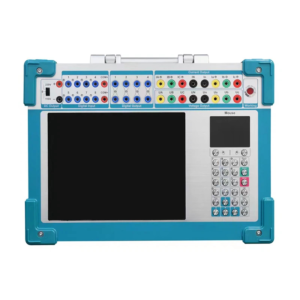
Click the picture to know more about relay protection testing equipment.
What Does kVA Mean?
kVA stands for kilovolt-ampere, a unit used to measure apparent power in an AC electrical system.
One kVA equals:
1 kVA = 1,000 volt-amperes (VA)
Apparent power represents the total power supplied by a source and consists of two components:
- Active Power (kW) – Power that performs useful work.
- Reactive Power (kVAR) – Power required to establish magnetic and electric fields in equipment.
The relationship can be expressed as:
Apparent Power² = Active Power² + Reactive Power²
Because AC systems contain both active and reactive power, kVA is widely used to specify the capacity of electrical equipment.
Why Is kVA Important in Power Systems?
Power systems require both active and reactive power to operate effectively.
While active power performs useful work such as driving motors or lighting lamps, reactive power supports the operation of inductive and capacitive devices.
Without adequate reactive power:
- Voltage levels may become unstable.
- Power transmission efficiency may decrease.
- Electrical equipment performance may be affected.
- System reliability may decline.
Therefore, apparent power measured in kVA is often used when sizing transformers, generators, and distribution equipment.
How Is kVA Related to Reactive Power?
Reactive power plays a vital role in maintaining voltage stability throughout the electrical network.
Inductive loads such as:
- Transformers
- Electric motors
- Reactors
- Induction furnaces
consume reactive power during operation.
Capacitive devices, on the other hand, can supply reactive power back to the system.
Although reactive power does not perform useful mechanical work, it is necessary for the proper operation of many electrical devices.
As reactive power increases, the difference between kW and kVA becomes larger.
What Is Power Factor and Why Does It Matter?
Power factor indicates how effectively electrical power is being used.
It is defined as:
Power Factor = kW ÷ kVA
Where:
- kW = Active Power
- kVA = Apparent Power
Power Factor Close to 1
When the power factor approaches 1:
- Reactive power is minimal.
- Energy utilization is efficient.
- Equipment operates more effectively.
- System losses are reduced.
Low Power Factor
When the power factor decreases:
- More current is required.
- System losses increase.
- Voltage regulation becomes more difficult.
- Equipment capacity utilization declines.
This is why utilities and industrial facilities often monitor and improve power factor.
What Problems Can Excessive Reactive Power Cause?
Excessive reactive power can create several challenges within an electrical network.
Common impacts include:
- Increased transmission losses
- Higher voltage drops
- Reduced generator capacity utilization
- Greater current flow through conductors
- Increased operating costs
- Reduced system efficiency
By controlling reactive power, operators can improve overall power system performance.
How Is Reactive Power Compensation Achieved?
Reactive power compensation is commonly used to improve power factor and system efficiency.
Capacitor Banks
Capacitors generate reactive power and compensate for the reactive demand created by inductive loads.
Benefits include:
- Improved power factor
- Reduced line losses
- Better voltage regulation
- Increased system efficiency
Reactors
Reactors are used when excess capacitive reactive power exists within the system.
They help:
- Absorb excess reactive power
- Prevent overvoltage conditions
- Improve network stability
Modern substations often utilize automatic reactive power compensation systems that continuously monitor and adjust compensation equipment.
Where Is kVA Commonly Used?
The kVA rating is widely used across many electrical applications.
Transformers
Transformer capacity is typically specified in kVA because transformers must handle both active and reactive power.
Generators
Generator ratings are usually expressed in kVA to indicate total power delivery capability.
UPS Systems
Uninterruptible Power Supplies (UPS) use kVA ratings to define their maximum load capacity.
Industrial Equipment
Large motors, drives, and manufacturing equipment are often evaluated using kVA demand calculations.
How Does kVA Help Improve Energy Efficiency?
Monitoring apparent power allows engineers to identify inefficiencies caused by poor power factor.
Benefits of managing kVA effectively include:
- Lower energy consumption
- Reduced utility penalties
- Increased equipment lifespan
- Improved electrical system reliability
- Better utilization of existing infrastructure
As a result, kVA monitoring is an important part of modern energy management programs.
FAQs About kVA in Electrical Systems
Q: What does kVA stand for?
A: kVA stands for kilovolt-ampere, a unit used to measure apparent power in AC electrical systems.
Q: Is kVA the same as kW?
A: No. kW measures active power that performs useful work, while kVA measures total apparent power, including both active and reactive power.
Q: What is the relationship between kVA and power factor?
A: Power factor equals kW divided by kVA. A higher power factor indicates more efficient power utilization.
Q: Why are transformers rated in kVA instead of kW?
A: Transformers carry both active and reactive power, so their capacity is best represented by apparent power (kVA).
Q: How can I convert kVA to kW?
A: Use the formula:
kW = kVA × Power Factor
For example, a 100 kVA load operating at a power factor of 0.8 produces 80 kW of active power.
Q: Why is a low power factor undesirable?
A: A low power factor increases current flow, causes higher losses, reduces system efficiency, and may lead to utility penalties.
Q: How can reactive power be reduced in an industrial facility?
A: Reactive power can be compensated using capacitor banks, automatic power factor correction systems, or other reactive power compensation equipment.
Conclusion
kVA is one of the most important units in electrical power systems because it represents the total apparent power supplied to electrical equipment. Understanding the relationship between kVA, kW, reactive power, and power factor helps engineers optimize system performance, improve energy efficiency, and maintain reliable operation. Through proper reactive power management and power factor correction, utilities and industrial facilities can reduce losses, enhance voltage stability, and maximize the utilization of electrical infrastructure.
