

How to Measure Electrical Frequency and Troubleshoot Unstable Hz Readings?
Learn how to measure electrical frequency, why Hz readings fluctuate, and how to troubleshoot frequency problems in generators, power systems, and electrical equipment.
Electrical frequency is an important parameter in power systems. Engineers use Hertz (Hz) to describe how many cycles an AC voltage or current completes in one second. A normal power system may operate at 50 Hz or 60 Hz, but the measured value may not always stay at exactly one number. A frequency meter may show 49.8 Hz, 50.1 Hz, or 50.3 Hz during operation.
Small changes can be normal, but large or repeated changes may require further investigation. Knowing how to measure frequency correctly can help engineers identify problems with generators, electrical loads, measurement equipment, and power quality.
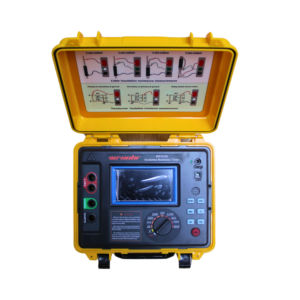
Click the image to know more about Wrindu IR Tester.
What Does an Electrical Frequency Measurement Tell You?
A frequency measurement tells you how fast an AC waveform repeats. One Hertz means one cycle per second.
For example:
- 50 Hz = 50 cycles per second
- 60 Hz = 60 cycles per second
- 0.1 Hz = one cycle every 10 seconds
Frequency measurement does not directly tell you the voltage level. A system can have 400 V at 50 Hz, 11 kV at 50 Hz, or 132 kV at 50 Hz.
Therefore, engineers normally evaluate frequency together with voltage, current, power, and other electrical parameters.
What Instruments Can Measure Electrical Frequency?
Several types of instruments can measure frequency depending on the application.
Digital Multimeter
Many digital multimeters include a frequency function. They can measure the frequency of an electrical signal and display the result in Hz.
This method is convenient for basic checks, but the instrument must have a suitable measurement range and voltage rating.
Power Quality Analyzer
A power quality analyzer can measure frequency together with voltage, current, harmonics, power factor, and other parameters.
This makes it more useful when engineers need to understand why frequency changes occur.
Oscilloscope
An oscilloscope displays the actual waveform. Engineers can use the waveform to calculate frequency and observe waveform distortion at the same time.
This is useful when a simple frequency number is not enough to identify the problem.
Generator and Grid Monitoring Equipment
Generators and power system monitoring devices may continuously measure frequency. This allows operators to observe changes over time instead of taking only one measurement.
How Do You Calculate Frequency From a Waveform?
Frequency can be calculated from the time required for one complete cycle:
f = 1 / T
Here:
- f = frequency in Hz
- T = period in seconds
For example, if one cycle takes 0.02 seconds:
f = 1 / 0.02 = 50 Hz
If one cycle takes about 0.01667 seconds:
f ≈ 60 Hz
This basic relationship is useful when checking measurements from an oscilloscope or waveform recorder.
Why Does a Frequency Meter Show Different Values?
A frequency reading may move slightly during normal operation. The electrical grid continuously responds to changes in generation and demand.
For example, when a large motor starts, the load on the system changes. A generator may also adjust its output through its control system.
As a result, frequency may move slightly before returning toward its normal value.
However, an unstable reading can also come from measurement conditions.
What Causes Unstable Frequency Readings?
Several factors can cause an unstable frequency display.
Changes in Electrical Load
Sudden changes in load can affect system frequency. Large motors, pumps, compressors, and industrial machines can create rapid changes in electrical demand.
Generator Control Problems
A generator governor or control system may not maintain speed correctly. Since generator speed and frequency are closely related, speed changes can produce frequency changes.
Grid Disturbances
Generator trips, transmission events, or major load changes can cause temporary frequency deviations.
Harmonics and Waveform Distortion
A distorted waveform may make frequency measurement more difficult for some instruments. The instrument may detect different waveform characteristics and produce unstable readings.
Measurement Equipment Limitations
An unsuitable measurement range, poor connection, electrical noise, or an instrument with insufficient accuracy can also affect the result.
How Can You Tell if a Frequency Variation Is Normal?
The first step is to compare the measured value with the rated system frequency.
For example, if a system is designed for 50 Hz and the meter changes between 49.9 Hz and 50.1 Hz, the variation is very different from a system repeatedly moving between 47 Hz and 53 Hz.
Engineers should also consider:
- How large is the deviation?
- How long does it last?
- Does it happen during load changes?
- Does it happen only at one measurement point?
- Are voltage and current also changing?
- Does the generator show abnormal operating conditions?
The measurement should always be evaluated in its operating context.
What Should You Check When a Frequency Reading Is Unstable?
A systematic troubleshooting process can save time.
Check the Measurement Connection
First, verify that the test leads, clamps, and measurement points are correctly connected.
For high-voltage systems, engineers must use equipment designed for the applicable voltage level and follow the required safety procedures.
Compare With Another Instrument
If possible, compare the reading with another calibrated frequency meter or power quality analyzer.
If one instrument shows a stable value while another shows large changes, the measurement system should be investigated.
Check the Voltage Waveform
Frequency should not be evaluated alone. Look at the voltage waveform and harmonic content when possible.
A distorted waveform can provide important information about the cause of the unstable measurement.
Check Generator Operation
For generator systems, check rotational speed, governor operation, load, and synchronization conditions.
Check Load Changes
Record when the frequency changes occur. If the changes happen whenever a large motor or other major load starts, the load may be related to the problem.
How Does Frequency Measurement Help Generator Testing?
Generator frequency is directly related to generator speed and pole number.
The relationship is:
f = P × N / 120
Where:
- f = frequency in Hz
- P = number of poles
- N = speed in rpm
For example, a four-pole generator running at 1,500 rpm produces 50 Hz.
This means frequency measurement can help engineers verify whether generator speed matches the expected operating condition.
How Does Frequency Measurement Support Power Quality Testing?
Frequency is one part of a wider power quality assessment.
A power quality test may also examine:
- Voltage variation
- Current variation
- Harmonics
- Power factor
- Voltage imbalance
- Transients
- Flicker
A stable frequency does not automatically mean that the electrical supply is free from power quality problems.
For example, a system may remain close to 50 Hz while still having high harmonic distortion.
What Are the Best Practices for Frequency Measurement?
Engineers should follow several basic practices:
- Confirm the rated frequency before testing.
- Select an instrument with the correct measurement range.
- Check the instrument calibration status.
- Use the correct measurement connection.
- Record frequency over a suitable period when troubleshooting.
- Compare frequency with voltage and current data.
- Investigate repeated or large deviations.
- Follow electrical safety requirements during measurement.
This approach gives more useful information than taking a single frequency reading.
How Can Wrindu Equipment Support Electrical Testing?
Wrindu provides electrical and high-voltage testing equipment for power utilities, substations, industrial facilities, and engineering applications.
Frequency measurement may be part of a broader testing process. Depending on the application, engineers may also need transformer testing, insulation testing, cable testing, power quality analysis, or generator testing.
Using several measurements together can provide a better understanding of electrical system performance.
FAQs About Electrical Frequency Measurement
How do you measure frequency in an AC circuit?
You can measure frequency with a digital multimeter, frequency meter, power quality analyzer, or oscilloscope. The selected instrument should match the voltage level and testing requirements.
Why does my frequency meter fluctuate?
Small fluctuations can result from normal changes in generation and load. Larger fluctuations may be related to generator control, grid disturbances, waveform distortion, or measurement problems.
What should 50 Hz look like on an oscilloscope?
A 50 Hz sine wave has a period of about 20 milliseconds. One complete waveform cycle therefore takes approximately 0.02 seconds.
Why does my multimeter show 49.8 Hz instead of 50 Hz?
A small difference from the nominal value can occur during normal system operation or because of measurement accuracy. Check the instrument specification and compare the reading with other electrical parameters.
Can harmonics affect frequency measurement?
Yes. Strong waveform distortion can affect some frequency measurement methods. When a reading is unstable, checking harmonic content and waveform shape can help.
How can I check whether a generator is producing the correct frequency?
Measure the generator output frequency and compare it with the rated frequency. You can also compare the result with generator speed and pole number.
What causes generator frequency to drop?
A sudden increase in load, insufficient generation, speed reduction, or generator control problems can cause frequency to decrease.
How often should electrical frequency be measured?
The required measurement frequency depends on the application. Basic maintenance may use periodic checks, while critical facilities may use continuous monitoring.
