

ASTM D1816 vs. ASTM D877: Key Differences in Oil Testing
Compare ASTM D1816 and ASTM D877 oil breakdown voltage tests, including electrode designs, test procedures, and result interpretation.
ASTM D1816 and ASTM D877 are two methods used to measure the breakdown voltage of insulating liquids. Both tests apply electrical stress to an oil sample until breakdown occurs, but they use different electrode arrangements and test conditions.
Understanding these differences helps engineers select the correct method and avoid misleading comparisons between test results.
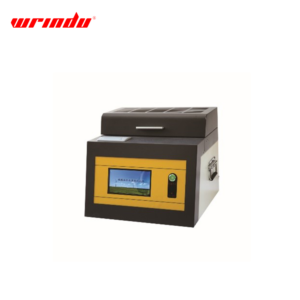
Click the image to know more about Wrindu Oil BDV Tester.
What Is ASTM D1816?
ASTM D1816 measures the dielectric breakdown voltage of insulating liquids using VDE-type electrodes. The method specifies how the sample is tested and how breakdown measurements are obtained.
The electrode arrangement and testing procedure influence the measured result. Therefore, the method used must be identified when comparing measurements from different laboratories or testing periods.
What Is ASTM D877?
ASTM D877 is another method for determining the breakdown voltage of insulating liquids. It uses a different electrode arrangement from ASTM D1816.
Because the electric field and test conditions differ, D877 results should not be treated as directly equivalent to D1816 results.
What Are the Main Differences Between ASTM D1816 and ASTM D877?
| Comparison point | ASTM D1816 | ASTM D877 |
|---|---|---|
| Electrode design | VDE-type electrodes | Different prescribed electrode arrangement |
| Test conditions | Defined by D1816 | Defined by D877 |
| Result | Breakdown voltage in kV | Breakdown voltage in kV |
| Direct comparison | Requires caution when compared with D877 | Requires caution when compared with D1816 |
| Method selection | Depends on the applicable specification | Depends on the applicable specification |
The exact electrode dimensions, spacing, conditioning, voltage application, and calculation requirements should be taken from the current edition of the relevant standard.
Why Can the Two Methods Produce Different Results?
The electric field between the electrodes depends on their geometry and spacing. Different arrangements can respond differently to contaminants, bubbles, and other conditions in the oil sample.
The methods also prescribe their own test procedures. As a result, the reported breakdown voltages may differ even when the tests use oil from the same source.
This difference does not automatically mean that one instrument is inaccurate or that the oil has changed. Engineers must first confirm that the same method and conditions were used.
Which Standard Should You Choose?
The correct method depends on the application and the governing requirements.
Consider these questions:
- Does the transformer owner specify ASTM D1816, ASTM D877, or another method?
- Which method does the applicable oil specification require?
- Do historical measurements use the same standard?
- Does the laboratory have the correct electrode system and procedure?
- Are the results intended for acceptance testing, routine maintenance, or comparative monitoring?
Do not choose a standard simply because it produces a higher breakdown voltage. The purpose is to obtain a valid result under the required conditions.
What Should You Check When Buying an Oil BDV Tester?
Before purchasing equipment, confirm that the instrument supports the required test method and electrode arrangement.
The Wrindu RDJJD-100kV Oil BDV Tester can be evaluated against your oil testing requirements. Ask Wrindu to confirm its supported standards, electrode configurations, voltage settings, and measurement functions before ordering.
Also consider calibration, result storage, operating procedures, and technical support.
Conclusion
ASTM D1816 and ASTM D877 both assess the breakdown voltage of insulating liquids, but they use different electrode arrangements and test conditions. Their results should not be compared as if they were produced by the same method.
For dependable oil condition monitoring, use the required standard consistently, document the test method, and investigate changes in results before making maintenance decisions.
