

Best Practices for Performing DC Leakage Current Tests
earn best practices for DC leakage current testing to improve measurement accuracy, ensure safe high-voltage testing, and detect insulation issues early.
DC leakage current testing helps engineers evaluate insulation condition in high-voltage equipment. Utilities and manufacturers use it to detect early insulation weakness. To get reliable data, engineers must follow clear testing best practices. This guide explains how to perform accurate DC leakage current tests and avoid common mistakes.
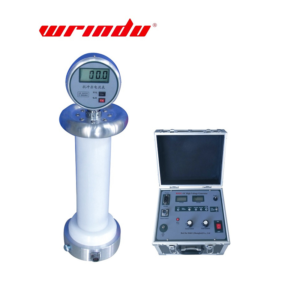
Click the picture to know more about Wrindu DC Leakage Current Tester.
What Are the Best Practices for DC Leakage Current Testing?
Best practices focus on safety, consistency, and accuracy. Engineers should use stable power sources and calibrated instruments. Clean connections and proper grounding also matter.
Following proven methods helps improve:
-
Leakage current measurement reliability
-
Test repeatability
-
Long-term insulation assessment
Good practice supports professional high-voltage testing standards.
How Do You Perform a DC Leakage Current Test Step by Step?
Step 1: Prepare the Test Object
Disconnect the equipment from service. Discharge residual voltage fully. Clean terminals and insulation surfaces.
Step 2: Connect the Test Instruments
Connect the DC high-voltage source and microammeter correctly. Keep leads short and shielded to reduce noise.
Step 3: Apply DC Voltage Gradually
Increase voltage smoothly. Monitor DC leakage current in real time. Hold each voltage step long enough for stabilization.
Step 4: Record and Compare Results
Record current values and ambient conditions. Compare results with previous tests or acceptance limits.
This process improves leakage current measurement accuracy.
What Common Pitfalls Should You Avoid During DC Leakage Testing?
Many test errors come from poor preparation or rushed execution.
Common pitfalls include:
-
Skipping proper grounding
-
Raising voltage too fast
-
Ignoring temperature effects
-
Using uncalibrated instruments
Avoiding these mistakes improves safety and test credibility.
How Can You Ensure Accurate DC Leakage Current Measurements?
Accuracy depends on both equipment and method.
Helpful tips include:
-
Use low-ripple DC sources
-
Allow time for current stabilization
-
Control test temperature when possible
-
Keep test records consistent
These steps strengthen data quality in high-voltage testing programs.
What Questions Do Test Engineers Often Ask During DC Leakage Tests?
Why Does Leakage Current Increase Over Time?
Insulation absorbs charge during DC testing. Current usually drops after stabilization. A rising trend may signal insulation damage.
How Long Should Each Voltage Step Last?
Hold each step until current stabilizes. This often takes several minutes for large equipment.
Can DC Leakage Results Replace Other Tests?
No. DC tests complement other insulation tests. Engineers should review results together for full assessment.
What Is the Final Checklist for DC Leakage Testing Best Practices?
Before ending a test, confirm:
-
Stable voltage and current readings
-
Proper grounding and discharge
-
Complete test records
-
Clear comparison with past data
Strong testing best practices help engineers trust their DC leakage current results. Consistent methods improve insulation evaluation and reduce unexpected failures.
