

Complete Guide to Transformer Oil Testing Methods
Learn essential transformer oil testing methods including DGA, moisture content, acidity (TAN), pour point, and interfacial tension. Improve reliability and prevent failures.
Transformer oil plays a critical role in ensuring the insulation and cooling performance of power equipment. However, its properties change over time due to thermal stress, oxidation, and contamination. That’s why a comprehensive oil testing strategy is essential for maintaining transformer reliability and preventing unexpected failures.
This guide covers the most important transformer oil testing methods and explains how each test contributes to a complete diagnostic picture.
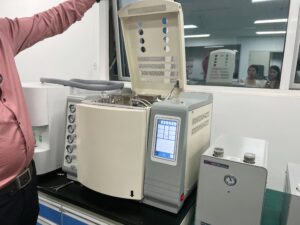
Click the image to know more about Transformer oil gas chromatography analyzer.
Why Transformer Oil Testing Is Essential
Regular oil testing helps operators:
- Detect early signs of insulation degradation
- Prevent costly transformer failures
- Optimize maintenance schedules
- Extend equipment service life
👉 No single test can fully evaluate oil condition—multiple parameters must be analyzed together.
1. Step-by-Step Pour Point Testing Guide
The pour point indicates the lowest temperature at which oil can still flow, making it critical for transformers operating in cold environments.
Testing Process:
- Heat the oil sample to remove previous thermal effects
- Cool it gradually under controlled conditions
- Observe flow behavior at set temperature intervals
- Record the lowest temperature where movement occurs
Why It Matters:
- Ensures proper oil circulation
- Prevents cooling failure in cold climates
👉 Poor low-temperature flow can lead to overheating and reduced efficiency.
2. Moisture Content Testing Methods (Karl Fischer)
Moisture is one of the most harmful contaminants in transformer oil.
Common Method:
- Karl Fischer titration is the industry standard for accurate moisture measurement
Why It Matters:
- Water reduces dielectric strength
- Promotes insulation aging
- Increases risk of partial discharge
👉 Even small amounts of moisture can significantly impact transformer safety.
3. Acidity (TAN) Testing Explained
Acidity, measured as Total Acid Number (TAN), reflects the level of oil oxidation.
Testing Principle:
- Oil is titrated with a base solution
- The amount required determines acidity level
Why It Matters:
- High acidity accelerates insulation degradation
- Leads to sludge formation
- Affects oil circulation and cooling
👉 Monitoring acidity helps detect long-term oil aging trends.
4. Dissolved Gas Analysis (DGA) Basics
DGA is one of the most powerful diagnostic tools for transformers.
What It Measures:
- Gases dissolved in oil such as hydrogen, methane, ethylene, and acetylene
What It Detects:
- Overheating faults
- Electrical discharges
- Arcing inside the transformer
👉 Different gas patterns indicate specific fault types, making DGA essential for fault diagnosis and predictive maintenance.
5. Interfacial Tension (IFT) Testing
IFT measures the molecular attraction between oil and water, indicating contamination and aging.
Testing Principle:
- Determines the force required to separate oil from water
Why It Matters:
- Low IFT indicates oxidation and contamination
- Helps identify sludge formation risk
👉 IFT is a strong indicator of oil degradation before visible signs appear.
How These Tests Work Together
Each test provides a different perspective on oil condition:
- Pour Point → Low-temperature performance
- Moisture Content → Contamination level
- Acidity (TAN) → Aging and oxidation
- DGA → Internal fault detection
- IFT → Chemical stability
👉 When combined, they create a complete health profile of transformer oil.
Best Practices for Transformer Oil Testing
To ensure accurate and reliable results:
✔ Follow Standard Procedures
- Use ASTM, IEC, or ISO testing standards
✔ Maintain Proper Sampling
- Avoid contamination during sample collection
✔ Test Regularly
- Establish routine testing schedules
✔ Analyze Trends, Not Just Values
- Compare historical data for better insights
Building a Proactive Maintenance Strategy
Modern transformer maintenance is shifting from reactive to predictive.
By integrating multiple oil tests:
- Problems can be identified early
- Maintenance can be scheduled efficiently
- Equipment lifespan can be extended
👉 A data-driven approach reduces downtime and improves system reliability.
Conclusion
Transformer oil testing is not just a routine procedure—it is a critical diagnostic tool for ensuring the safe and efficient operation of power systems.
By combining methods such as:
- Pour point testing
- Moisture analysis
- Acidity measurement
- DGA
- Interfacial tension testing
👉 Operators can gain a comprehensive understanding of oil condition and make informed decisions to protect their assets.
