

Do You Understand DC High-Voltage Generators for Testing?
Learn how DC high-voltage generators work for transformer testing, including types, PWM circuits, and voltage stability for accurate DC high-voltage testing results.
DC high-voltage testing is a critical part of transformer testing and insulation evaluation. The performance of a high-voltage generator directly affects test accuracy and safety. Engineers and operators need to understand generator types, circuit designs, and voltage behavior to ensure reliable results. This article explains these key aspects in simple terms.
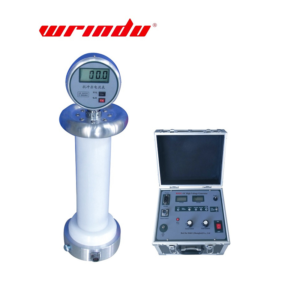
Click the picture to know more about Wrindu DC High-Voltage generators.
What Are the Main Types of DC High-Voltage Generators?
DC high-voltage generators come in several designs, each suited for different testing needs:
-
Electromechanical Generators: Traditional generators that produce DC voltage using rotating machinery. They offer stable output but are bulky and require regular maintenance.
-
Solid-State Generators: Modern systems use electronic circuits to generate high DC voltage. They are lightweight, portable, and allow precise control.
-
Hybrid Designs: Some generators combine mechanical and electronic components to balance output stability and efficiency.
Choosing the right generator depends on the application, such as transformer testing, cable insulation tests, or laboratory experiments.
How Do PWM and Multi-Stage Circuits Improve DC Testing?
Many modern high-voltage generators use PWM (Pulse Width Modulation) or multi-stage circuits:
-
PWM Circuits: Allow smooth voltage regulation by controlling the duration of voltage pulses. This improves test accuracy and protects sensitive insulation.
-
Multi-Stage Circuits: Step up voltage in stages rather than all at once. This reduces stress on generator components and the test object.
These circuit designs make DC high-voltage testing safer and more precise, especially for large transformers and high-voltage equipment.
Why Are Voltage Stability and Pulsation Important in DC Testing?
Stable DC voltage is essential for accurate leakage current measurement and insulation assessment.
-
Voltage Pulsation: Fluctuations in DC output can create false leakage current readings and stress the insulation unevenly.
-
Voltage Stability: A stable output ensures repeatable results and reduces the risk of insulation damage during testing.
High-quality generators, such as Wrindu DC high-voltage systems, provide low ripple, fast response, and precise voltage control. This makes them ideal for transformer testing and other high-voltage insulation assessments.
Wrindu Expert Review
Understanding DC high-voltage generators is essential for safe and accurate testing. By knowing generator types, circuit designs, and voltage stability factors, engineers can ensure reliable DC high-voltage testing results. Proper generator selection and setup protect both the equipment under test and the test operator while improving insulation evaluation for transformers and other high-voltage systems.
