

How Do Oil-Filled Cables and XLPE Cables Differ in Terms of Insulation Physics?
Discover the key differences in testing methods for oil-filled vs XLPE cables. Learn how insulation physics affect diagnostics and the best testing approaches for each type.
Oil-filled cables and XLPE (Cross-Linked Polyethylene) cables both serve as critical components in high-voltage systems, but they have distinct insulation properties. Understanding the difference in their insulation physics is essential for selecting the right testing methods.
Oil-Filled Cables: What Are the Key Insulation Properties?
Oil-filled cables rely on insulating oil to provide electrical insulation and cooling properties. The oil inside the cable helps maintain the integrity of the insulation by dissipating heat and preventing the build-up of pressure. However, over time, the oil can degrade or leak, affecting the cable’s performance.
-
Heat Dissipation: The oil helps disperse heat generated by the electrical current.
-
Moisture Resistance: Oil-filled cables are resistant to moisture ingress, which is crucial in wet environments.
-
Aging Oil: As oil degrades, its insulating properties diminish, potentially leading to failure.
XLPE Cables: How Does Cross-Linked Polyethylene Compare?
XLPE cables use a solid insulation material made from cross-linked polyethylene. This type of insulation is highly resistant to electrical stress, heat, and mechanical damage. Unlike oil-filled cables, XLPE does not rely on a fluid medium for cooling and insulation.
-
Electrical Properties: XLPE has excellent dielectric strength, making it suitable for high-voltage applications.
-
Thermal Resistance: XLPE insulation can withstand higher temperatures without degrading, offering long-term durability.
-
Environmental Resistance: XLPE cables are less susceptible to moisture and environmental conditions compared to oil-filled cables.
What Are the Key Testing Method Differences for Oil-Filled and XLPE Cables?
Although both oil-filled and XLPE cables are used in high-voltage applications, the methods used to test their insulation vary due to the differences in their insulation properties.
Testing Oil-Filled Cables: Which Methods Are Common?
Oil-filled cables require specific testing methods to assess both the insulation properties and the condition of the oil. The main testing methods include:
-
Dissolved Gas Analysis (DGA): This test analyzes gases dissolved in the oil to detect early signs of overheating, arcing, or insulation degradation.
-
Insulation Resistance (IR) Testing: Measures the resistance of the insulation to detect leakage or breakdown.
-
Tan Delta Testing: Used to assess the quality of the insulation and detect moisture or contamination in the oil.
Testing XLPE Cables: What Are the Key Methods?
For XLPE cables, the testing methods are focused on assessing the solid insulation’s integrity and the ability to withstand high voltage. Common methods include:
-
Insulation Resistance (IR) Testing: Similar to oil-filled cables, this measures the resistance of the insulation.
-
Partial Discharge (PD) Testing: Detects localized electrical discharges within the insulation, which can indicate weaknesses in the material.
-
Tan Delta Testing: Measures the dielectric loss in the insulation, helping detect aging or contamination.
How Do These Testing Methods Differ in Practice?
-
Oil-Filled Cables: Testing is often more complex due to the need to analyze the oil’s condition and ensure that the cable’s insulation properties remain intact.
-
XLPE Cables: Testing focuses more on the solid insulation material and its ability to withstand high voltages and environmental stress.
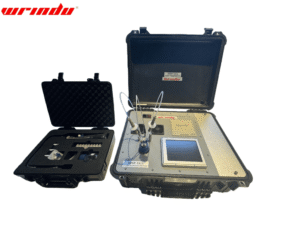
Click the picture to know more Wrindu Portable Insulation Oil DGA Tester.
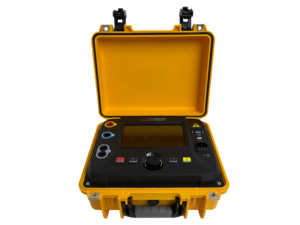
Click the picture to know more about Wrindu New Insualtion Resistance Tester.
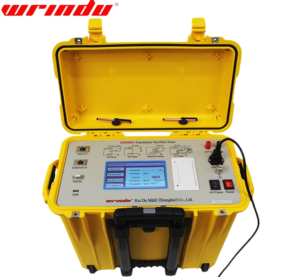
Click the picture to know more about Wrindu Tan Delta Tester.
Common Questions About Oil-Filled vs XLPE Cable Testing
Q1: Can I use the same tests for both oil-filled and XLPE cables?
A1: No. While both require Insulation Resistance (IR) testing, oil-filled cables also require tests like DGA to analyze the oil’s condition, which is not needed for XLPE cables.
Q2: How do environmental conditions affect testing methods?
A2: Oil-filled cables are more sensitive to moisture and oil degradation, making DGA crucial. XLPE cables, being solid, are less affected by external factors and require fewer specialized tests.
Q3: Which cable type requires more maintenance and testing?
A3: Oil-filled cables generally require more regular testing due to the potential for oil degradation, leaks, and moisture ingress, while XLPE cables are more durable and require less frequent maintenance.
Q4: What is the most critical test for oil-filled cables?
A4: DGA is the most critical test for oil-filled cables as it helps detect early signs of problems related to the oil, such as overheating or arcing.
