

How Do Pour Point and Cloud Point Affect Equipment Startup in Cold Weather
Learn how low temperatures affect oil performance and equipment startup. Understand wax formation, flow issues, and cold-weather risks, and explore how Wrindu oil testing solutions improve reliability and maintenance planning.
When temperatures drop, oil behavior directly impacts whether equipment can start and operate normally.
- If oil becomes too thick, pumps cannot circulate it effectively
- Wax formation can restrict narrow passages and valves
- Engines and transformers may experience delayed or failed startup
👉 This is why low-temperature oil properties are especially important in winter operations and outdoor installations.
For a deeper understanding, you can continue reading about cold weather equipment maintenance strategies.
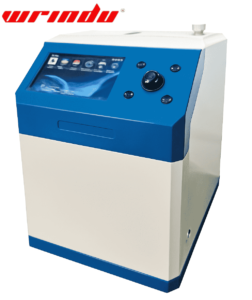
Click the image to know more about Wrindu Automatic Pour Point Freezing Point Tester.
What Happens Inside Oil When Temperature Drops?
As oil cools, several physical changes occur step by step:
- Normal Flow Stage
Oil flows freely with stable viscosity - Wax Formation Stage (Cloud Point)
Small wax crystals begin to appear, making the oil look cloudy - Restricted Flow Stage
More crystals form, increasing resistance to flow - No Flow Stage (Pour Point)
Oil becomes too thick to move
👉 These stages explain why cloud point is an early signal, while pour point represents the critical limit.
To explore related concepts, check our guide on oil behavior under extreme temperatures.
How Do These Properties Impact Fuel Systems?
In fuel systems, especially diesel engines, low-temperature performance is crucial.
Common Issues:
- Filter clogging due to wax crystals
- Fuel starvation caused by blocked lines
- Reduced combustion efficiency
👉 Even if fuel has not reached its pour point, problems can already occur at the cloud point stage.
This is why fuel systems often require preheating or additives in cold climates.
Learn more in our article on diesel fuel performance and cold flow improvement.
How Can Regular Testing Prevent Failures?
Routine oil testing helps identify problems before they affect operations.
What Testing Can Reveal:
- Changes in low-temperature performance
- Early signs of contamination or aging
- Suitability of oil for current environmental conditions
Practical Benefit:
- Avoid unexpected shutdowns
- Improve maintenance planning
- Extend equipment lifespan
👉 Combining low-temperature tests with other diagnostics ensures more reliable system operation.
You can also explore advanced oil testing techniques for industrial applications to build a complete testing strategy.
How Wrindu Testers Help Improve Testing Efficiency?
Wrindu testing equipment is designed to simplify complex oil analysis tasks.
- Provides stable and repeatable results
- Reduces manual operation errors
- Supports fast decision-making in the field
👉 This allows engineers to quickly assess whether oil is suitable for continued use or needs replacement.
What Should You Check Alongside Pour Point and Cloud Point?
To fully evaluate oil condition, additional parameters should be considered:
- Viscosity: Determines flow resistance
- Moisture Content: Affects insulation and lubrication
- Acidity: Indicates oil degradation
- Breakdown Voltage (BDV): Critical for electrical insulation
👉 Looking at these indicators together gives a complete picture of oil health.
For more details, continue reading about key parameters in oil analysis and diagnostics.
Continue Reading: Build a Complete Oil Knowledge System
To strengthen your understanding and improve internal linking, explore these related topics:
- How to Test Transformer Oil Step by Step
- What Causes Oil Degradation and How to Prevent It
- Understanding Oil Viscosity and Its Impact on Equipment
- Complete Guide to Industrial Oil Testing Equipment
👉 These articles will help you connect low-temperature properties with overall oil performance and maintenance strategies.
