

How Do Urban Metro and Grid Systems Impact Underground Oil Cable Maintenance?
Learn effective maintenance strategies for urban underground oil-filled cables. Discover the role of monitoring and portable testers in ensuring cable reliability and performance.
Urban underground oil-filled cables are critical for city metro and grid systems, providing essential power to millions. Maintaining these cables in a densely populated area presents unique challenges, especially when it comes to monitoring their condition and performing routine checks. With the increasing reliance on underground cable systems, it’s important to understand how to manage and maintain these cables effectively.
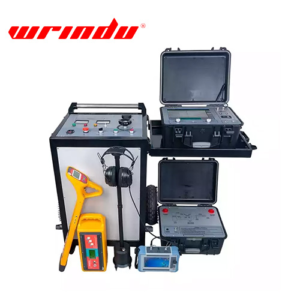
Click the picture to know more about Wrindu Cable Fault Testing System.
Why Is Monitoring Crucial for Underground Oil-Filled Cables?
Monitoring plays a key role in ensuring the long-term health of underground oil cables. Since these cables are often buried deep in urban areas, any faults or degradation can go unnoticed until serious issues arise. Effective monitoring techniques are necessary to detect problems early, minimizing the risk of unplanned outages.
-
Real-time Data: Continuous monitoring allows for early detection of potential issues like insulation breakdown or oil leaks.
-
Reduced Downtime: Monitoring systems can alert maintenance teams of faults before they cause service interruptions.
-
Preventative Maintenance: Routine monitoring helps extend the cable’s lifespan by addressing minor issues before they become major problems.
How Can Portable Testers Improve Cable Maintenance?
Portable testers are essential tools for maintenance teams tasked with inspecting and diagnosing underground oil-filled cables. These devices allow for on-site, quick assessments, reducing the need for extensive digging or disconnection of power. The use of portable testers provides the following benefits:
-
Convenience: Portable testers can be used on-site to assess the condition of the cable without disrupting service.
-
Cost-Effective: Regular testing with portable equipment can help detect faults early, reducing the need for costly repairs and extensive downtime.
-
Comprehensive Diagnostics: Portable testers can measure insulation resistance, partial discharge, and other key parameters to determine the health of the cable.
What Is the Best Maintenance Strategy for Urban Underground Oil Cables?
A well-rounded maintenance strategy for urban underground oil cables includes continuous monitoring, regular testing, and prompt repair of any identified faults. Combining these practices with the use of portable testers ensures a proactive approach to maintaining the system.
-
Routine Monitoring: Regular monitoring should be performed to detect changes in cable performance.
-
Periodic Testing: Scheduled testing with portable equipment can identify issues like insulation degradation or oil contamination.
-
Immediate Repairs: Once issues are detected, swift repairs or replacements should be carried out to avoid long-term damage and disruption.
Common Questions About Underground Oil Cable Maintenance
Q1: How often should underground oil cables be monitored?
A1: Underground oil-filled cables should be monitored continuously, particularly in urban settings where issues can escalate quickly. Routine checks can be performed every 6-12 months depending on the system’s age and usage.
Q2: What are the common problems with underground oil-filled cables?
A2: Common issues include oil leakage, insulation breakdown, and contamination of the insulating oil. These problems can lead to power outages and equipment failure if not addressed early.
Q3: Can portable testers detect all types of cable faults?
A3: Portable testers are highly effective in detecting insulation degradation, partial discharge, and oil contamination, but they may not identify every issue. More detailed diagnostics may require additional equipment.
Q4: Why are portable testers important for urban cable systems?
A4: Portable testers are crucial for urban systems because they allow for quick, on-site testing, minimizing downtime and avoiding the need for invasive inspections.
