

How Do You Maintain and Clean a Transformer Oil BDV Tester?
Learn how to clean an oil BDV test cell, inspect electrodes, maintain the tester, and prevent contamination during transformer oil testing.
A transformer oil BDV tester requires regular cleaning, inspection, and maintenance to support reliable measurements. Oil residue, dust, electrode damage, and incorrect assembly can affect test conditions and make results difficult to compare.
Maintenance should follow the manufacturer’s instructions and the applicable test method. The cleaning agents, electrode handling procedure, and replacement intervals must not be assumed to be identical for every instrument.
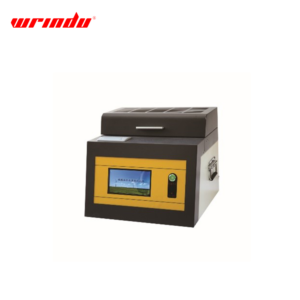
Click the image to know more about Wrindu Oil BDV Tester.
Why Should You Clean an Oil BDV Tester After Testing?
Residual oil from a previous sample may carry moisture or contaminants into the next test. Dust, fibers, and deposits inside the test cell can also change the conditions between the electrodes.
Cleaning helps prevent cross-contamination between samples. It also makes it easier to inspect the electrodes and test cell for damage or abnormal deposits.
The required cleaning procedure depends on the test cell materials, electrode design, and manufacturer’s instructions. Avoid using unapproved solvents or abrasive tools that could damage the surfaces.
How Do You Clean a Transformer Oil BDV Test Cell?
Before cleaning, stop the test, switch off the instrument, and follow the manufacturer’s instructions for isolating the equipment. Allow components to reach a safe condition before handling them.
A general maintenance sequence is:
- Identify the correct cleaning procedure for the specific tester and test cell.
- Remove the oil sample according to the instrument instructions.
- Clean the cell and removable components using the approved method and materials.
- Inspect the cell for residual oil, deposits, damage, or foreign particles.
- Allow components to dry or condition them as specified by the manufacturer.
- Reassemble the test cell correctly and confirm the electrode configuration before testing.
This is a general framework, not a substitute for the model-specific cleaning procedure. Do not introduce cleaning residues, water, or fibers into the cell.
How Should You Clean and Inspect BDV Test Electrodes?
Electrode surfaces and geometry influence the electric field during the breakdown test. Deposits, scratches, corrosion, or incorrect installation may affect the test result.
Inspect the electrodes for visible contamination and damage before use. Clean them using the approved procedure and avoid changing their shape or surface finish with unsuitable abrasive materials.
Confirm the required electrode type and spacing for the selected test method. Replace damaged electrodes when the manufacturer’s instructions or applicable test requirements indicate that they are no longer suitable.
How Often Should You Clean an Oil BDV Tester?
The cleaning frequency depends on how often the instrument is used, the condition of the samples, and the test method. A tester used for many samples may require cleaning more frequently than one used occasionally.
| Situation | Maintenance action |
|---|---|
| Before a test session | Inspect the cell and electrodes and confirm that they are clean |
| Between samples | Follow the required cleaning and sample-change procedure |
| After visibly contaminated oil | Inspect the cell and clean it according to the approved procedure |
| After extended storage | Inspect the instrument and prepare it for use according to the manual |
| After abnormal or inconsistent readings | Check for contamination, incorrect assembly, and possible component damage |
The table provides general guidance. Follow any more specific cleaning intervals stated by the manufacturer or required by the applicable method.
What Should You Inspect Before Operating a BDV Tester?
A pre-use inspection helps identify visible problems before voltage is applied. It does not replace scheduled maintenance or electrical safety checks.
Check the following items:
- Test cell and electrodes for cleanliness and damage.
- Electrode type, spacing, and assembly.
- Test leads, connectors, and visible insulation.
- Instrument housing and control interface.
- Required settings and test method.
- Calibration status where required.
- Safety features and operating conditions specified by the manufacturer.
If the instrument shows damage, abnormal behavior, or an unexplained measurement problem, stop and follow the manufacturer’s troubleshooting procedure.
Can Incorrect Cleaning Affect BDV Test Results?
Yes. Cleaning can introduce new problems if it leaves moisture, lint, solvent residue, or other contamination inside the test cell.
Using abrasive materials may also alter electrode surfaces or geometry. Such changes can affect the test conditions and make the results less comparable.
Use only the cleaning materials and methods approved for the specific instrument. Confirm that the cell is ready for testing according to the manufacturer’s instructions before introducing the next sample.
How Should You Store an Oil BDV Tester?
Storage conditions should follow the manufacturer’s stated temperature, humidity, and environmental limits. Keep the instrument protected from dust, moisture, accidental impact, and unauthorized access.
Clean and prepare the test cell for storage according to the manual. Store removable electrodes and accessories so that their surfaces are protected from damage and contamination.
Before returning a stored tester to service, inspect it and complete any preparation or verification steps required by the manufacturer.
When Should BDV Tester Components Be Replaced?
Components should be replaced when they are damaged, worn beyond the manufacturer’s limits, or no longer meet the applicable test requirements.
| Component | Signs that require attention | Next step |
|---|---|---|
| Electrodes | Damage, corrosion, altered surfaces, or inability to meet the required geometry | Inspect and replace when specified |
| Test cell | Cracks, damage, persistent contamination, or assembly problems | Stop use and follow the manufacturer’s service instructions |
| Cables and connectors | Damaged insulation, loose connections, or visible deterioration | Remove from service when unsafe and arrange repair or replacement |
| Voltage measurement system | Failed verification or abnormal readings | Arrange qualified inspection and calibration as required |
| Control or display system | Faults, unstable operation, or incorrect indications | Follow the model-specific troubleshooting procedure |
Do not continue using a damaged component simply because the tester can still complete a measurement.
How Can You Keep BDV Tester Maintenance Records?
Maintenance records help identify recurring faults and support consistent laboratory operation. They also provide a traceable history when a measurement is questioned.
A maintenance log can include the instrument model, serial number, date, inspection findings, cleaning actions, component replacements, calibration status, and responsible personnel.
Record abnormal readings and corrective actions when relevant. These records help distinguish recurring equipment problems from sample-handling or procedural issues.
How Can Wrindu Support BDV Tester Maintenance?
Before purchasing a Wrindu Oil Dielectric Strength Tester, ask for the model-specific operating and maintenance manual. Confirm the approved cleaning materials, electrode replacement arrangements, inspection procedures, and available technical support.
If maintenance or repair is required, provide the exact model, serial number, and description of the problem. Confirm the recommended procedure with Wrindu rather than applying cleaning or repair methods intended for a different tester.
What Are the Most Common Questions About Cleaning an Oil BDV Tester?
Can I use any solvent to clean the test cell?
No. Use only materials approved by the manufacturer for the specific cell and electrode design.
Should the electrodes be cleaned between samples?
Follow the applicable test method and instrument instructions. Cleaning between samples may be required to prevent contamination, but the procedure must match the equipment and test method.
Can damaged electrodes still be used?
Do not assume they remain suitable. Inspect them against the manufacturer’s requirements and replace them when damage or geometry changes make them unsuitable.
Does cleaning eliminate all variation in BDV results?
No. Cleaning helps control contamination, but sample properties, moisture, air bubbles, test settings, and instrument performance can also affect the results.
Do all oil BDV testers use the same maintenance procedure?
No. Cell construction, electrode design, accessories, and manufacturer requirements may differ. Use the manual for the exact model.
