

How Do You Measure No Load Loss in a Power Plant?
Case study of no load loss measurement in a power plant using Wrindu No Load Loss Tester, showing test process, results, and reliable efficiency verification for engineers.
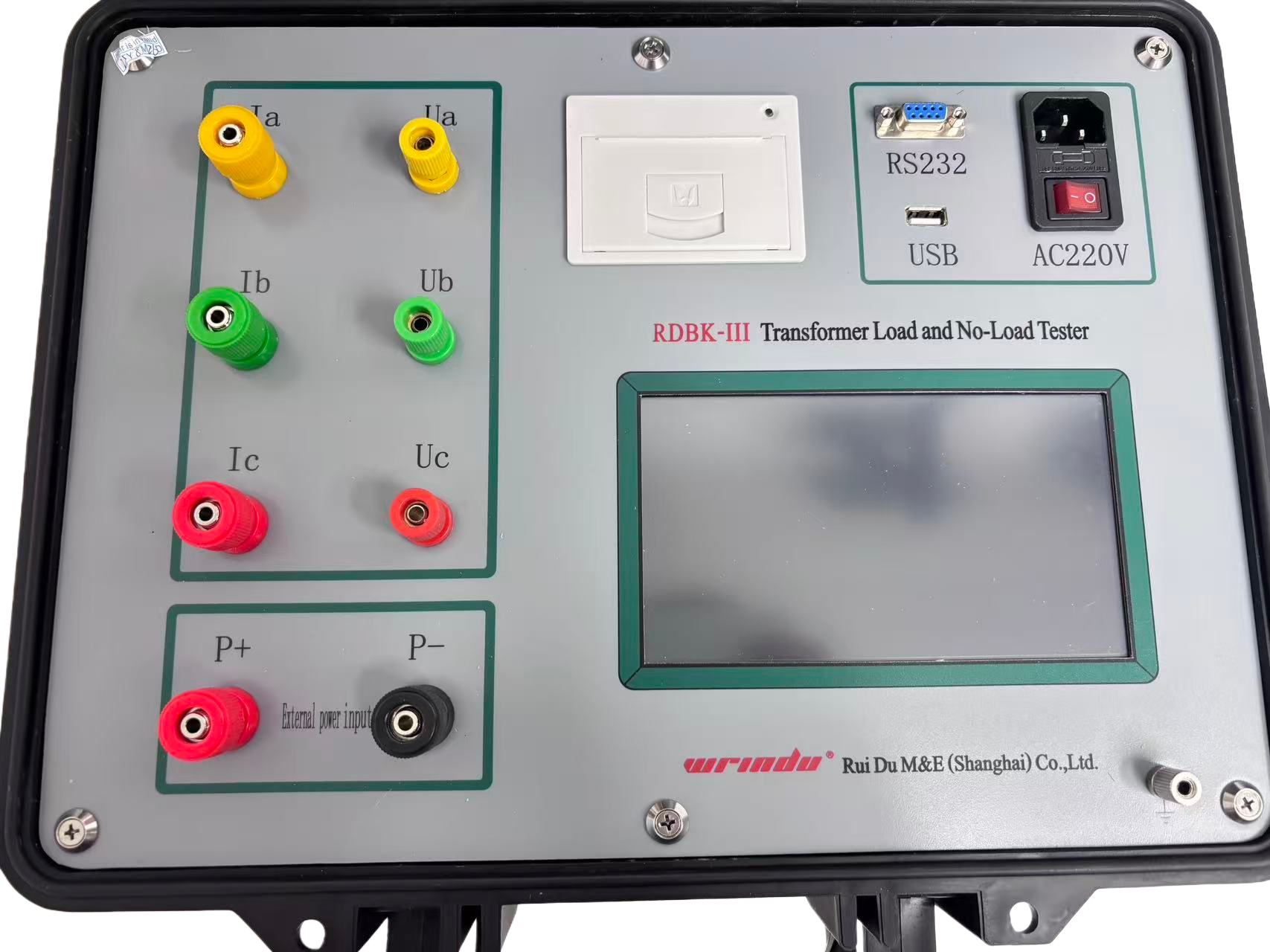
No load loss is a key factor in transformer efficiency and long-term operating cost. This case study demonstrates how a power plant measured transformer no load loss using advanced testing instruments. By documenting the test process and results, the study provides engineers and operators with practical insights, helping build trust in the testing methodology and reliability of the equipment.
Why Was No Load Loss Testing Needed in This Power Plant?
The power plant operates several large transformers that remain energized continuously. Operators wanted to verify no load loss to ensure energy efficiency and compliance with design specifications. Accurate measurements were necessary to detect potential core issues, manufacturing defects, or deviations from rated performance.
Measuring no load loss also allowed the plant to identify savings opportunities in energy consumption. The case highlights how systematic testing can prevent hidden energy costs in high-value transformers.
How Was the No Load Loss Test Conducted?
The test process involved multiple steps:
-
Preparation: Technicians ensured the transformer was isolated, and all connections were properly configured. Voltage and current ranges were set according to the transformer rating.
-
Instrumentation: The Wrindu No Load Loss Tester was used to supply rated voltage, measure active power, and record data. The tester automatically corrected for temperature, voltage, and frequency deviations.
-
Data Collection: Readings were captured over several intervals to ensure consistency. All data were stored internally and exported via USB for analysis.
-
Verification: Measurements were compared with manufacturer specifications to confirm accuracy and detect anomalies.
This structured approach ensured reliable, repeatable results and minimized measurement errors.
What Were the Test Results?
The results showed that the measured no load loss closely matched the transformer’s rated specifications. Minor deviations were observed, which were traced to slight core lamination alignment differences, typical in large transformers.
Key findings included:
-
Average no load loss: 1.2 MW
-
Maximum observed deviation: ±0.05 MW
-
Power factor during testing: 0.02–0.05
The results confirmed that the transformers were operating efficiently and within acceptable loss limits. By documenting the process and data, the power plant established a reliable reference for future periodic testing and maintenance planning.
How Does Wrindu Support Accurate No Load Loss Measurement?
Wrindu provides precise, portable instruments for no load loss testing. The Wrindu No Load Loss Tester delivers high-accuracy voltage and current control, synchronous AC sampling, and automatic correction for environmental factors.
In this case study, the tester ensured consistent readings across multiple transformers and allowed engineers to generate detailed test reports. Wrindu’s user-friendly interface and robust data storage made analysis and documentation simple, supporting compliance and operational transparency.
What Common Questions Do Engineers Have About No Load Loss Testing?
Q: Can periodic testing detect changes in transformer performance?
A: Yes. Regular no load loss measurements can identify core aging or assembly shifts that increase energy loss.
Q: How precise is the Wrindu No Load Loss Tester?
A: Highly precise. It maintains ±0.2% reading accuracy, suitable for large power plant transformers.
Q: Does environmental condition affect no load loss results?
A: Yes, but Wrindu instruments automatically correct for temperature, voltage, and frequency variations.
Q: Why document test results?
A: Documentation builds trust. Verified data ensures compliance, supports maintenance decisions, and demonstrates reliability to stakeholders.
Why Case Studies Are Important for Power Plant Engineers?
No load loss case studies provide real-world evidence of transformer performance. They build trust in measurement techniques, validate equipment quality, and guide maintenance and procurement decisions. By sharing detailed test process and results, engineers can demonstrate technical authority and improve operational efficiency in large-scale power plants.
