

How Does No Load Loss Differ Between Distribution and Power Transformers?
Understand the difference in No Load Loss between distribution and power transformers. Learn how Wrindu Power Analyzers ensure accurate measurements for optimal performance.
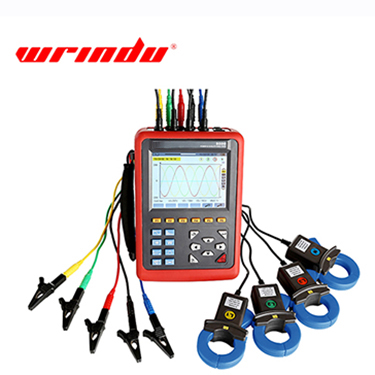
No Load Loss is a key parameter used to evaluate transformer efficiency. It refers to the energy consumed by a transformer when it is energized but not supplying power to the load. Although the concept of No Load Loss applies to both distribution transformers and power transformers, the levels of loss and the factors contributing to them can differ significantly due to structural differences and ratings. Understanding these differences is crucial for selecting the right transformer and optimizing performance.
What Are the Structural Differences Between Distribution and Power Transformers?
The structural design of a transformer plays a significant role in its No Load Loss. Here’s a look at how the two types differ:
Distribution Transformers:
-
Core and Windings: Distribution transformers are typically designed with smaller cores and windings, as they are built to operate at lower voltage levels. The core material may be less robust compared to power transformers.
-
Size and Efficiency: These transformers are generally more compact and may not have the same level of efficiency as power transformers. Their primary function is to step down voltage for local distribution networks, which leads to higher core losses due to their design.
Power Transformers:
-
Core and Windings: Power transformers, on the other hand, feature larger and more robust cores designed for higher voltage levels. The core materials and winding configurations are designed for greater efficiency, which typically results in lower No Load Loss values.
-
Size and Efficiency: Power transformers are often larger and used in high-voltage applications, such as power generation and transmission. Their design focuses on minimizing losses and maximizing performance.
How Do Ratings Affect No Load Loss in Distribution and Power Transformers?
The ratings of both distribution and power transformers have a direct impact on their No Load Loss:
-
Voltage Rating: Higher voltage ratings usually result in lower relative No Load Loss because the transformer’s core is designed to handle greater flux, which helps reduce the losses.
-
Power Rating: Power transformers, with their higher power ratings, are generally built to be more efficient, meaning they tend to have lower No Load Loss compared to smaller distribution transformers.
-
Design Standards: Power transformers are often built to stricter design standards, which can result in more optimized and lower No Load Loss. In contrast, distribution transformers, although efficient, tend to have slightly higher losses due to their focus on cost-effectiveness.
What Factors Contribute to Higher No Load Loss in Distribution Transformers?
While both types of transformers experience No Load Loss, distribution transformers are generally more susceptible to higher losses due to:
-
Smaller Core Design: Smaller cores in distribution transformers are less efficient in handling magnetizing currents, leading to higher No Load Loss.
-
Cost Considerations: Since distribution transformers are designed to be cost-effective for local utilities, some compromises are made in terms of materials, leading to higher core losses compared to more expensive power transformers.
How Can Wrindu Power Analyzers Help in Measuring No Load Loss?
Accurate measurement of No Load Loss is essential to optimize the performance and efficiency of both distribution and power transformers. Wrindu Power Analyzers offer high precision in measuring No Load Loss, providing clear data that can be used to assess transformer efficiency and identify potential areas for improvement.
With Wrindu’s advanced testing equipment, you can:
-
Ensure accurate No Load Loss measurements for both distribution and power transformers.
-
Compare the performance of different transformer types to optimize maintenance and operational costs.
-
Monitor transformer health over time, reducing the risk of unexpected failures and improving long-term reliability.
Common Questions from Wrindu Expert Reviews
Why do distribution transformers have higher No Load Loss than power transformers?
Distribution transformers have smaller cores and are designed for lower cost, which can result in higher No Load Loss. Power transformers, on the other hand, are built for efficiency and handle higher voltage levels.
How does the voltage rating affect No Load Loss?
Higher voltage ratings typically result in more efficient transformers with lower No Load Loss. Power transformers, designed for higher voltages, tend to be more efficient than distribution transformers.
Can Wrindu Power Analyzers be used for both types of transformers?
Yes, Wrindu Power Analyzers are versatile and can accurately measure No Load Loss for both distribution and power transformers, helping you optimize their performance.
Wrindu’s Role in Transformer Testing
Wrindu offers a range of testing solutions designed to help you accurately measure No Load Loss in both distribution transformers and power transformers. With high precision and user-friendly features, Wrindu’s equipment ensures that you can assess transformer performance and implement effective maintenance strategies to maximize efficiency and minimize losses.
