

How Does Temperature Influence DC Leakage Testing?
Learn how temperature impacts DC leakage testing, influencing insulation behavior and leakage current. Explore temperature control methods for accurate electrical testing.
Temperature is a crucial factor in DC leakage testing, as it directly affects the behavior of insulation materials and the accuracy of leakage current measurements. Whether testing transformers, cables, or other electrical equipment, understanding the impact of temperature variations is essential for ensuring reliable results. In this article, we’ll explore how temperature influences DC leakage testing and why temperature control is vital for accurate measurements.
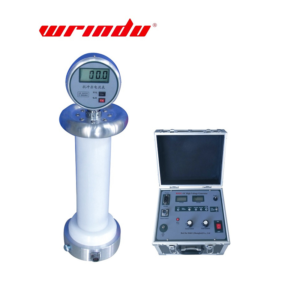
Click the picture about Wrindu DC Leakage Current Tester.
What Are the Effects of High Temperature on DC Leakage Testing?
High temperatures can have a significant impact on DC leakage testing, causing insulation materials to behave differently under stress.
-
Increased Leakage Current: As temperature rises, the conductivity of insulating materials often increases, which can lead to higher leakage current. This can create misleading test results, suggesting insulation failure when, in fact, the insulation may still be in good condition at normal operating temperatures.
-
Insulation Breakdown: Prolonged exposure to high temperatures accelerates the aging process of insulation materials, leading to degradation and eventual breakdown. This can increase the likelihood of leakage current, even under typical test conditions.
Understanding these temperature effects is essential for interpreting test results correctly and ensuring that equipment remains safe and reliable over time.
What Are the Effects of Low Temperature on DC Leakage Testing?
Low temperatures also present challenges in DC leakage testing, particularly regarding measurement accuracy and potential insulation failure.
-
Potential for Insulation Failure: In colder conditions, insulating materials can become more brittle, which may lead to cracks or micro-fissures. This could result in abnormal leakage current, especially if the insulation is already aged or damaged.
-
Measurement Inaccuracies: Low temperatures can cause certain materials to behave more rigidly, potentially distorting test readings. As a result, leakage current measurements might not reflect the true condition of the insulation, making it harder to assess whether the equipment is at risk of failure.
It’s important to consider these temperature effects to avoid faulty conclusions and ensure that testing is performed under appropriate conditions.
How Can You Compensate for Temperature Variations in DC Leakage Testing?
To obtain accurate DC leakage measurements, it’s essential to account for temperature variations during testing.
-
Test at Standardized Temperatures: Ensure that the testing environment is kept within a controlled temperature range, ideally around 20-25°C. This will help minimize the effects of both high and low temperatures on the leakage current.
-
Use Temperature Compensation: Some advanced testing equipment comes with built-in temperature compensation features, which automatically adjust test results based on the ambient temperature.
-
Monitor and Adjust Testing Conditions: If temperature variations are unavoidable, make sure to monitor the temperature throughout the test. Adjust the test setup and interpret results accordingly to account for temperature-related discrepancies.
By following these tips, you can maintain the accuracy of your DC leakage current measurements despite temperature fluctuations.
Why Is Temperature Control Important for DC Leakage Testing?
Temperature control is critical to the accuracy and reliability of DC leakage testing. Whether the temperature is high or low, it affects how insulation materials react to electrical stress, which can lead to false readings and misinterpretation of equipment conditions.
By ensuring proper temperature control, using temperature compensation techniques, and monitoring environmental factors, engineers can ensure that DC leakage tests provide accurate data. This will ultimately improve preventive maintenance strategies, reduce the risk of insulation failure, and extend the operational life of electrical equipment.
What Do You Need to Know About Temperature and DC Leakage Testing?
How Do Temperature Fluctuations Affect Leakage Current Measurements?
Temperature changes can cause the resistance of insulation to fluctuate, leading to higher leakage currents at elevated temperatures and potentially misleading results at lower temperatures.
What Is the Ideal Temperature for Conducting DC Leakage Testing?
Testing should ideally be conducted at temperatures around 20-25°C to ensure reliable results. Extremes in temperature can skew the measurements and reduce test accuracy.
Can I Use DC Leakage Test Results to Predict Insulation Failure?
Yes, if leakage current is consistently increasing due to temperature-related degradation or damage, it could be a sign of insulation failure. It’s crucial to monitor trends over time.
How Often Should I Calibrate My Test Equipment for Temperature?
Test equipment should be calibrated regularly, especially when temperature fluctuations are common. Calibration ensures that results are accurate and reflect the true condition of the equipment.
