

How No Load Loss Impacts 24/7 Energized Transformers?
How no load loss impacts 24/7 energized transformers, with real energy loss calculation, cost impact, and accurate testing using Wrindu loss testers.
Many transformers remain energized all day, every day. Even when they supply no load, they still consume energy. This continuous consumption creates no load loss, which becomes a fixed and unavoidable operating cost. For utilities and industrial users, ignoring this loss leads to underestimated energy bills and poor cost decisions. Understanding how no load loss affects 24/7 energized transformers helps engineers and buyers control long-term expenses.
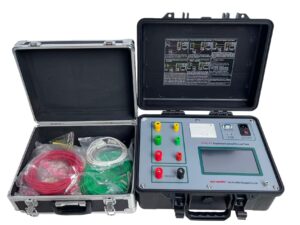
Click the picture to know more about Wrindu Transformer No load and load loss Tester.
What Is No Load Loss in a 24/7 Energized Transformer?
No load loss is the active power a transformer consumes when it operates at rated voltage with no load connected. In a 24/7 energized transformer, this loss exists continuously because the magnetic core stays excited at all times. Core hysteresis and eddy currents generate heat and waste energy, even when the transformer delivers zero output power.
This behavior makes always energized transformer loss fundamentally different from load loss. Load loss depends on current and varies with demand, while no load loss stays constant as long as voltage remains applied. That is why no load loss plays a dominant role in long-term cost for idle or lightly loaded transformers.
Why Does No Load Loss Matter for Always Energized Transformers?
Always energized transformers operate 8,760 hours per year. During every one of those hours, no load loss continues to consume electricity. Even a small loss value becomes significant when multiplied by time. For distribution networks, substations, and standby transformers, no load loss often represents the largest share of annual energy loss.
From a cost-driven perspective, this loss behaves like a hidden subscription fee. Operators cannot reduce it by managing load or demand. Only transformer design, material quality, and proper selection can lower it. That is why buyers who focus on lifecycle cost pay close attention to no load loss data during procurement.
How Can You Calculate Real Energy Loss From No Load Loss?
Real energy loss calculation translates no load loss into money, which makes the impact easy to understand for decision-makers. The calculation remains simple but powerful.
Annual energy loss equals no load loss in kilowatts multiplied by operating time. For a 24/7 energized transformer, operating time equals 24 hours times 365 days. For example, a transformer with a no load loss of 0.8 kW will consume about 7,000 kWh per year with no load connected. When electricity costs 0.12 USD per kWh, this single transformer creates more than 800 USD of annual loss.
When utilities operate hundreds or thousands of units, always energized transformer loss quickly turns into a major budget item.
How Does No Load Loss Drive Long-Term Operating Cost?
No load loss directly affects total ownership cost because it repeats every year over the transformer’s entire service life. A transformer that operates for 25 years will accumulate no load loss costs far beyond its purchase price. This reality explains why cost-driven searches increasingly focus on no load loss rather than nameplate capacity alone.
Engineers and asset managers now compare transformers based on efficiency and lifetime energy consumption. A lower no load loss value reduces operating cost, improves energy efficiency ratings, and supports carbon reduction targets. These factors make no load loss a key parameter in modern transformer evaluation.
Why Do Many Users Misjudge Always Energized Transformer Loss?
Many users underestimate no load loss because they rely on assumptions instead of measured data. Some focus only on load loss and believe idle losses remain negligible. Others trust nameplate values without verifying test conditions. In reality, test voltage, frequency stability, and harmonics can all affect measured results.
Without accurate testing, users may select transformers that appear efficient but create higher real energy loss during operation. This gap between expected and actual performance leads to rising energy costs over time.
How Does Accurate Testing Help Control No Load Loss Cost?
Accurate testing ensures that no load loss values reflect real operating conditions. During factory acceptance tests and on-site measurements, engineers must apply rated voltage, control frequency, and measure true active power. High-precision instruments play a critical role in achieving reliable results.
Wrindu develops no load loss testing solutions designed for stable, accurate measurement. Wrindu instruments help users verify manufacturer data, compare transformer efficiency, and support cost-based procurement decisions. Reliable data allows users to control always energized transformer loss before it turns into long-term expense.
What Questions Do Cost-Focused Users Often Ask?
Q: Does no load loss change over time?
A: Yes, no load loss can increase over time. Core aging, insulation degradation, and mechanical stress can raise core losses, which makes periodic testing necessary for long-term cost control.
Q: Can on-site testing detect abnormal no load loss?
A: Yes, on-site testing can reveal abnormal no load loss. Accurate instruments and correct test conditions allow engineers to identify hidden efficiency issues in energized transformers.
Q: Does no load loss matter more than load loss in 24/7 energized transformers?
A: Yes, no load loss often matters more. In 24/7 energized transformers, no load loss runs continuously and creates fixed energy cost regardless of load level.
Q: Why do users focus more on no load loss today?
A: Users now focus on cost, not only performance. Engineers and asset managers want to know how much it costs to keep a transformer energized every day, not just how it performs under load.
Why Does No Load Loss Matter for Carbon and Energy Goals?
Every kilowatt-hour lost through no load loss increases carbon emissions. For utilities with sustainability targets, reducing always energized transformer loss supports both cost control and environmental goals. Lower no load loss reduces wasted energy, improves network efficiency, and helps meet regulatory requirements.
As energy prices rise and carbon policies tighten, no load loss becomes a strategic factor rather than a technical detail.
How Does the Wrindu Transformer Load and No Load Loss Tester Help Control Energy Cost?
The Wrindu Transformer Load and No Load Loss Tester helps users quantify real energy loss by delivering high-accuracy measurements with clear numerical confidence. The tester measures voltage from 15 V to 500 V and current from 0.5 A to 15 A internally, or up to 50 A with external CTs, with an accuracy of ±(0.2% rdg ±0.05% f.s.). This level of precision allows engineers to detect small differences in no load loss that directly affect long-term operating cost in 24/7 energized transformers.
For example, a measurement deviation of just 0.1 kW in no load loss equals about 876 kWh per year for an always energized transformer. At common electricity prices, this translates into a meaningful annual cost difference, especially when multiplied across a transformer fleet. By automatically correcting test results for temperature, frequency (45–65 Hz), and current, the Wrindu tester ensures that loss data remains comparable across sites and over time. This makes cost evaluation more reliable during factory acceptance testing, on-site commissioning, and efficiency audits, helping users identify excessive always energized transformer loss before it turns into long-term expense.
